Most stone damage is not dramatic. It is not the dropped wine glass or the one careless spill. It is the slow, cumulative result of cleaning the stone the wrong way, day after day, for years. Get the routine right and natural stone ages into a graceful patina. Get it wrong and you abrade, etch, and dull a surface that should have lasted generations.
The good news is that the routine is simple, and once you understand why stone behaves the way it does, the rules stop being a list to memorise and start being obvious. We specify stone for projects that have to perform for decades, so here is the honest maintenance guide: the daily basics, the one rule that matters most, and how care changes by stone type.
The one rule: pH-neutral, always
If you remember nothing else, remember this: clean natural stone with pH-neutral products only.
Marble and limestone are calcium carbonate, and calcite reacts with acid. That reaction, etching, leaves a dull mark on the surface. It is not dirt and not a stain; it is a chemical change in the stone itself, and no sealer prevents it. Vinegar, lemon, and a great many everyday bathroom, kitchen, and descaling cleaners are acidic, which is precisely why they must never touch a calcite stone.
At the other end, strongly alkaline and abrasive products can dull polished surfaces and scratch softer stones. A pH-neutral cleaner sits safely in the middle. Diluted per the maker's instructions and applied with a soft cloth or a well-wrung mop, it cleans without attacking the stone. This one rule covers the overwhelming majority of stone care.
Daily and weekly basics
The foundation of stone care is unglamorous and effective: keep it clean, keep it dry, and keep abrasives off the surface.
For floors, dry-dust with a clean untreated dust mop, or vacuum with a soft brush attachment, to lift the fine grit and sand that act like sandpaper underfoot. This is the step that actually preserves a finish over the years, far more than any product. In high-traffic commercial spaces, hotel lobbies, restaurants, retail, do it at least twice a day. When wet cleaning is needed, use clean water with a little pH-neutral cleaner, wring the mop thoroughly, avoid flooding porous stones, and change the rinse water often so you are not just spreading dirt back into the pores.
For worktops, vanities, and wall surfaces, wipe daily with a soft cloth dampened with water and pH-neutral cleaner, and blot spills as they happen rather than letting them sit. On a calcite stone, an acidic spill left to dwell is the fastest route to an etch mark.
Dry the surface after cleaning. Standing water, especially on porous limestone and in wet areas, is the enemy of a clean, even stone.
Dealing with spills and stains
Blotting beats wiping. Wiping a spill spreads it; blotting lifts it. Deal with spills promptly and most never become stains.
When a stain does set, identify it before treating it:
Oil-based (grease, cooking oil, cosmetics) darkens the stone and needs drawing out, not scrubbing in. A poultice, an absorbent paste with a suitable solvent, left to sit and then removed, pulls the oil from the pores.
Organic (coffee, tea, wine, food) often lifts with a poultice made with a mild hydrogen peroxide solution on lighter stones; test first, as peroxide can lighten some materials.
Etch marks are not stains at all. They are physical damage to the surface and, if light, may be improved by a marble polishing powder or, if serious, by professional refinishing.
Never reach for acids or abrasives to remove a stain. On a valuable or large surface, a professional stone restorer is cheaper than a ruined floor.
How care changes by stone type
The pH-neutral rule is universal, but the details shift with the material.
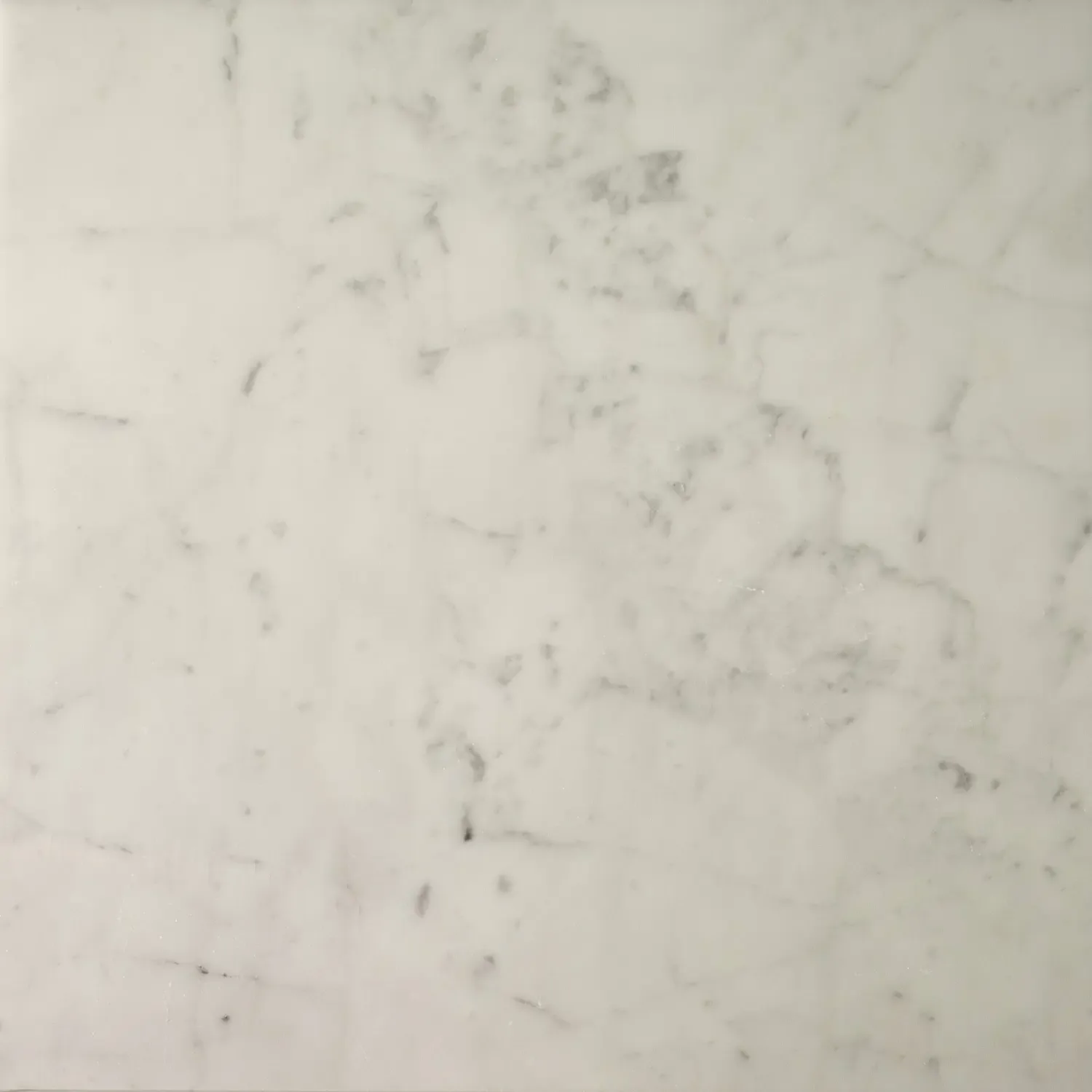
Marble (such as Carrara White or Bardiglio Imperiale) is the most acid-sensitive. It etches readily, so pH-neutral care is non-negotiable, and honed finishes disguise the inevitable minor etching far better than polished ones. Seal it, blot acidic spills instantly, and accept that marble develops a lived-in patina over time.
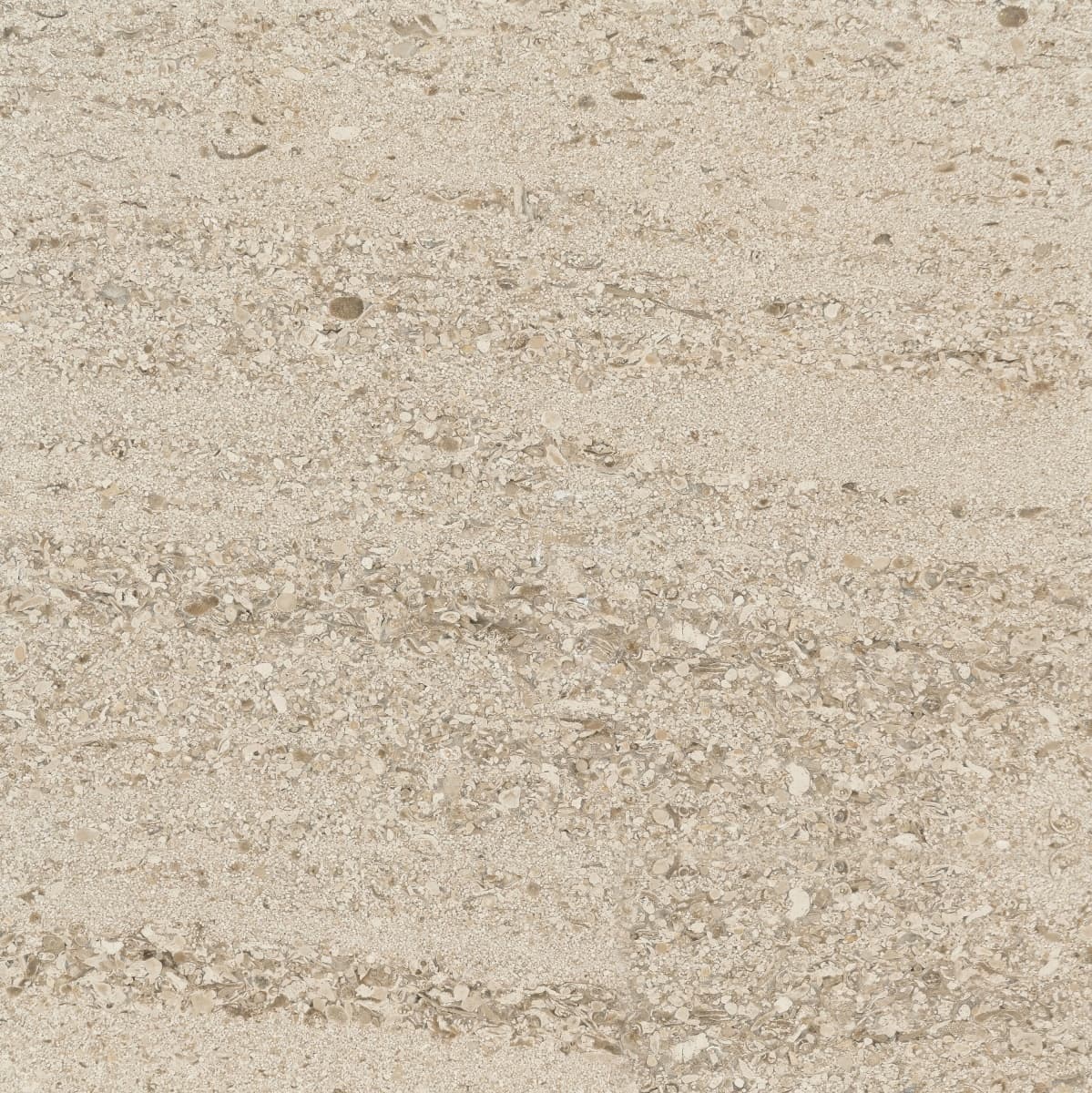
Limestone (such as Moca Creme or the Crema Fiorito family) is also calcite and also etches, but a dense honed limestone is a forgiving surface. Keep it swept, sealed, and cleaned pH-neutral, and avoid pooling water on the more porous selections.
Sandstone (such as Pietra Serena or Mars Grey) is silica-based and does not etch, its real advantage. It still stains if unsealed, so keep the pH-neutral routine and seal it, but you can relax about the acidic-spill panic that governs marble.
The finish matters too: honed surfaces hide wear and etching, polished surfaces show every mark, and textured exterior finishes hold grit that wants periodic deeper cleaning. For the finish logic, see our honed vs flamed vs brushed guide.
The honest summary
Cleaning natural stone is simple once the principle is clear: pH-neutral products, daily removal of grit, prompt blotting of spills, and drying after cleaning. Marble and limestone demand the most discipline because they etch; sandstone is more forgiving because it does not. None of it is difficult, and none of it should deter you from specifying natural stone. A well-maintained stone floor or surface looks better at year twenty than most alternatives do at year five.
Cleaning is only half of the care story; sealing is the other half, and we cover it in our guide to sealing natural stone.
If you are specifying stone and want honest guidance on the maintenance a given material will ask of its owner, start a project brief and we will match the stone, finish, and care regime to how the space will actually be used. Or request samples and test a cleaning routine on the real material before you commit.