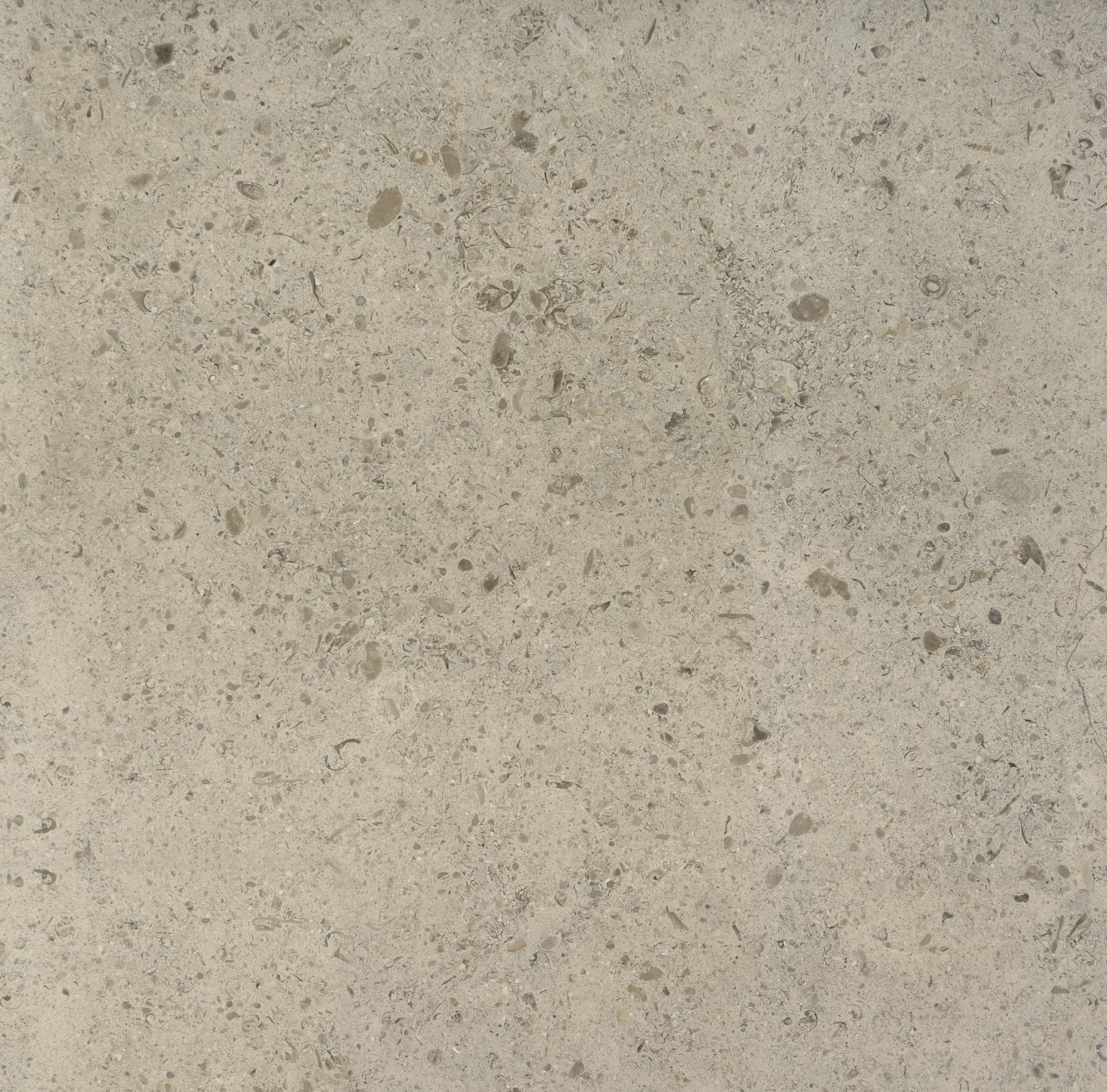
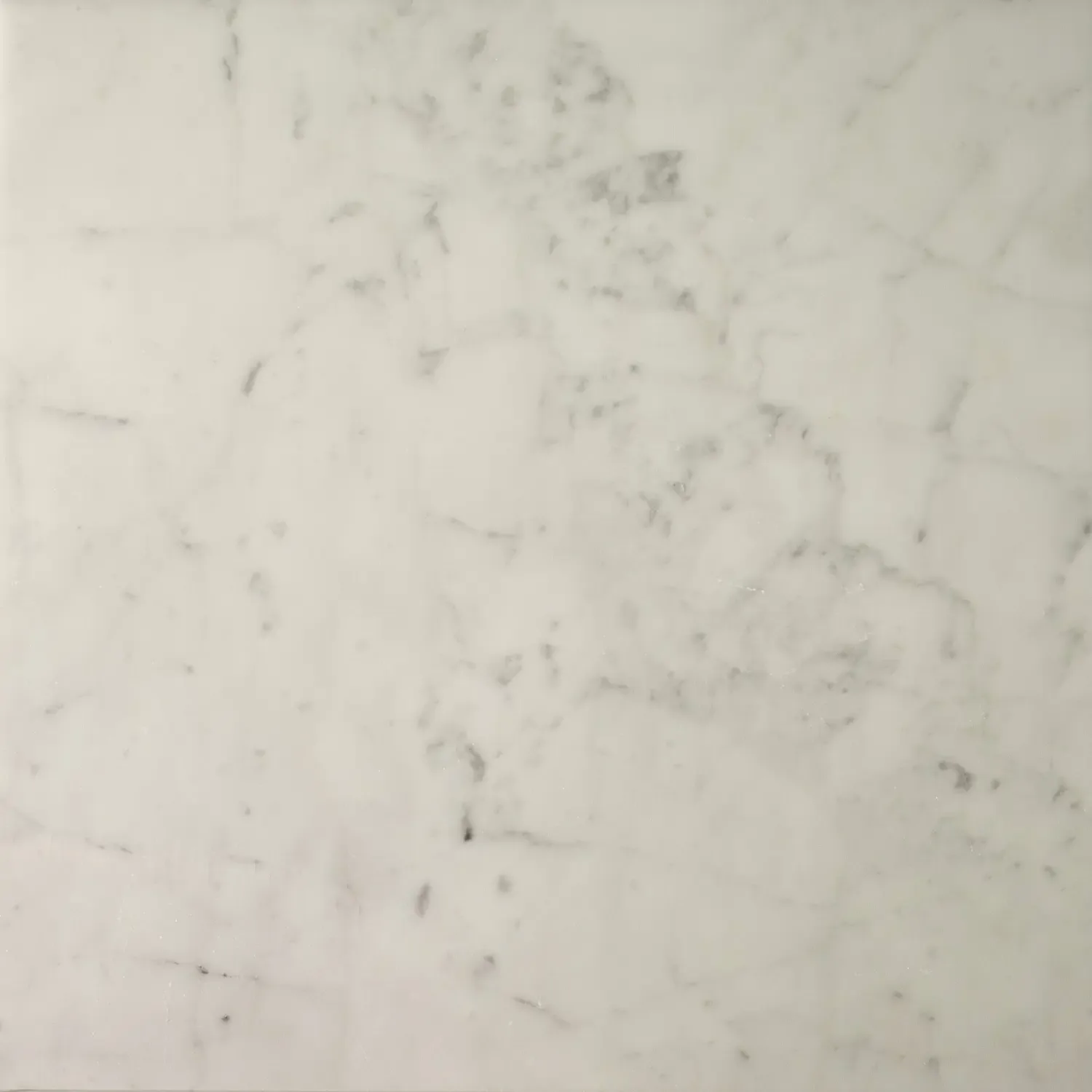
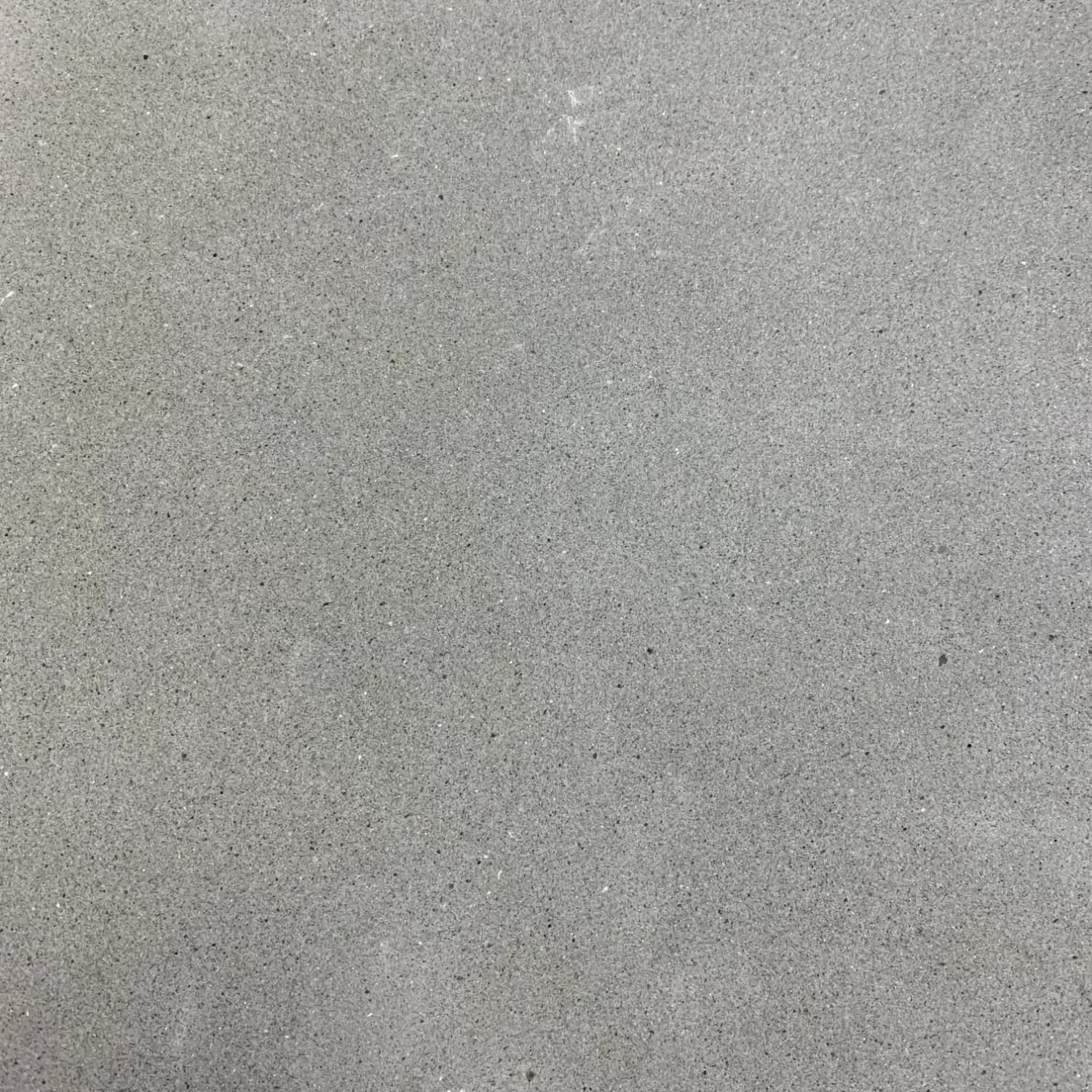
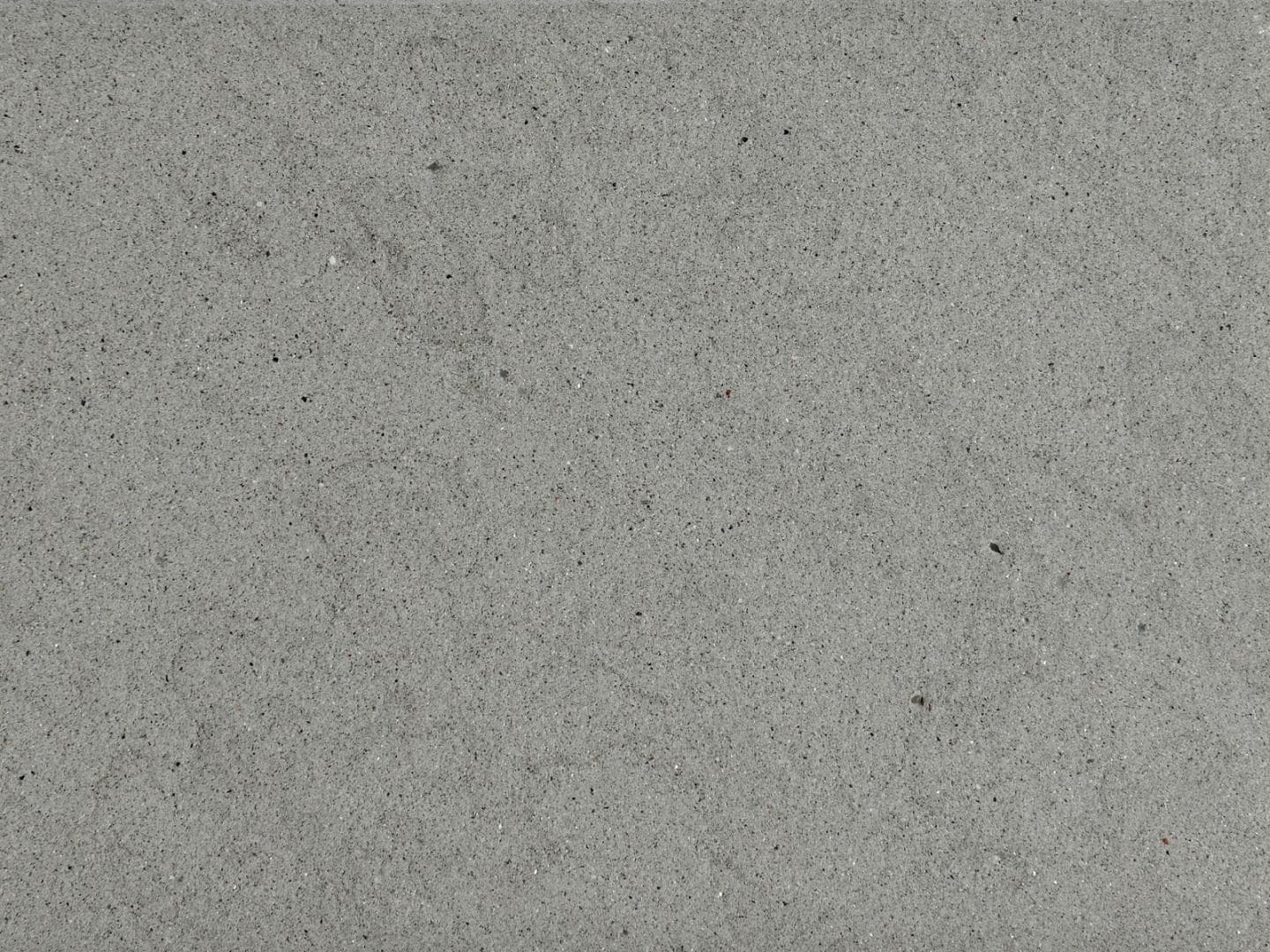
The finish is the most under-appreciated decision in a stone specification. Two identical slabs, cut from the same block, will look different, feel different, grip differently underfoot, and last different lengths of time depending only on how the surface is worked. Choose the stone and the finish together, or you have only half specified the floor.
Most of what is written about stone finishes is a glossary: here are the words, here is what they mean, good luck. This is not that. This is a decision tool. It ties each finish to the application it belongs in, so you can walk from "what is this space and what does it need" to "this finish, on this stone."
What a finish actually changes
Working the surface of a stone changes three things at once, and you are always trading between them.
Look. A polished surface reflects light and deepens colour; a matte honed or textured surface absorbs light and reads calmer and more contemporary. The same stone can look formal or understated depending only on finish.
Grip. Smooth surfaces are more slippery, especially wet. Textured surfaces grip. This is a safety decision anywhere feet meet water.
Maintenance and wear. A high shine is a thin worked layer that abrasion dulls over time. Matte and textured surfaces have no shine to lose, so they wear more evenly and hide micro-scratching and dirt.
There is no "best" finish in the abstract. There is only the best finish for what the surface has to do.
Honed: the default for interior floors and walls
A honed finish is ground smooth and flat but stopped short of a reflective polish, leaving an even, matte surface. It is the workhorse finish for interior floors and wall cladding, and for good reason.
Honed reads clean and contemporary, shows the stone's true colour without the glare of polish, and, crucially, wears gracefully. Because there is no mirror shine, foot traffic does not carve a dull path through gloss the way it does on a polished floor. Honed also grips better underfoot than polished, which matters even indoors.
For dense interior stones this is almost always the right call. A honed Moleanos Azul floor or a honed Carrara White lobby gives the refined, even, modern surface most contemporary interiors want, without the fragility of a polished floor.
Polished: for shine, in the right places
Polishing takes honing further, grinding to a mirror reflection that deepens colour and veining. On the right stone it is spectacular. But it belongs in low-traffic and vertical applications: feature walls, vanity tops, reception faces, inlays. On a high-traffic floor, polish is a liability, because traffic abrades it into an uneven matte trail and it is slippery when wet. Marble in particular rarely justifies a polished floor in commercial use; honed is the durable choice.
Flamed: grip and toughness for exteriors
A flamed finish is made by passing a high-temperature flame across the surface. The sudden heat makes the surface crystals burst and flake away, leaving a coarse, rugged, highly textured face. The result is strong slip resistance and a rustic, matte character.
Flaming is the classic exterior finish for paving, steps, pool surrounds, and ramps where wet grip is non-negotiable. One caveat matters: flaming relies on the stone having crystals that react to thermal shock, so it works best on igneous stones like granite. On softer, calcite-based limestones and marbles the results are less reliable, and on denser limestones such as Moleanos Azul it can work but should be tested first. For many limestones, a brushed or bush-hammered finish is the better route to exterior grip.
Brushed and leathered: texture without the roughness
A brushed (also called aged or antiqued) finish is produced by running abrasive brushes over the surface, wearing back the softer material and leaving a gently undulating, tactile face. Leathered is a similar concept with a slightly different hand.
Brushed sits in the sweet spot between smooth and rough. It gives more grip than honed without the coarseness of flamed, it hides minor wear and water marks, and it has a warm, hand-worked quality. That makes it ideal for interior wet areas, spa floors, residential exteriors, and any surface where you want texture and comfort together. On a stone like Pietra Serena or a sandstone such as Mars Grey, a brushed finish plays beautifully to the material's natural, matte character.
Bush-hammered and sandblasted finishes take the texture further, for heavy-duty exterior grip and a distinctly matte, civic character.
A decision table by application
Application | First choice | Why | Avoid |
|---|
Interior floor | Honed | Even wear, contemporary, grips better than polished | Polished (wears to a path) |
Interior feature wall | Polished or honed | Shine deepens colour; low traffic tolerates it | None |
Commercial / lobby floor | Honed | Survives traffic without losing a shine | Polished |
Exterior paving | Flamed, bush-hammered, or brushed | Wet slip resistance, even weathering | Polished, honed (slippery wet) |
Wet room / spa floor | Brushed | Grip plus comfort underfoot | Polished |
Pool surround / ramp | Flamed or bush-hammered | Maximum wet grip | Honed, polished |
Facade cladding | Brushed, bush-hammered, or honed | Weathers evenly, hides tonal variation | Polished (streaks, staining) |
Vanity / counter | Honed or polished | Design call; honed hides etching better | None |
Use it as a starting point, then adjust for the specific stone and the look you are after.
See finishes on real stones
The difference between honed, brushed, and flamed is something you understand instantly in your hand and never quite from a description. Every stone in our catalogue shows its available finishes, so you can see how a given finish reads on a given stone rather than in the abstract. For applied examples, see how finish choice plays out in our exterior cladding guide and our hotel lobby flooring guide.
Getting samples in the finish you are considering
The single best thing you can do before committing is to get the stone in the actual finish you intend to use, at a decent size, and view it in the real light of the space. A finish changes colour, texture, and reflectivity enough that a honed sample tells you little about how the flamed version will look on your terrace.
If you are choosing a finish for a project, start a project brief and we will supply samples in the finishes worth considering for your application, with honest guidance on how each will wear. Finish is not a detail. It is half the specification.