Most guides to limestone cladding will not tell you the one thing you need to hear: some of the most beautiful limestones on a sample table will fail on an exposed facade in a cold climate, and no finish or sealer will save them. The stone that photographs beautifully in a Lisbon showroom is not automatically the stone for a north elevation in Edinburgh.
We source stone at the block for architects specifying facades, so this is written the way we brief a real project. It is honest about where limestone works, where it does not, and which named stones we would actually put on your building. If you take one idea from this page, it is that "best" is not a property of the stone. It is the match between the stone, the climate, and the detailing.
The three numbers that decide it
Forget the colour for a moment. Three technical values determine whether a limestone belongs on a facade.
Water absorption is the most important. Measured as a percentage of weight, it tells you how much water the stone can take into its pores. That matters because water is what freezes, expands, and breaks stone apart. For exposed cladding in a cold climate, look for water absorption under about 2%, and treat under 1% as the safe end. Open, porous limestones in the 3 to 6% range are interior stones, or exterior stones for warm climates only.
Flexural strength (bending strength, measured in MPa) governs how thin a panel you can hang and how it survives wind load. A facade panel is essentially a plate spanning between fixings, and wind tries to bend it. Higher flexural strength lets you go thinner or span further. This is the number your facade engineer sizes the panel from, so you need it for the specific stone, not a category average.
Density ties the other two together. Denser limestones (roughly 2,500 kg/m3 and up) tend to have lower absorption and better wear. Density on its own does not specify anything, but a dense limestone is usually a more durable one.
Any supplier who cannot give you these three numbers, plus freeze-thaw test data, for the exact material on your project is not selling you a specification. They are selling you a sample.
Climate reality: where Mediterranean limestone works and where it doesn't
Here is the honest part the SERP mostly avoids. A huge share of the world's decorative limestone comes from the Mediterranean basin: Portugal, Spain, Italy, France. These stones are gorgeous, and many are entirely suitable outdoors in the climates they come from. Portugal is full of century-old Moleanos and Moca Creme elevations that have weathered beautifully.
The problem is transplanting a warm-climate limestone into a hard freeze-thaw climate without checking the numbers. In a mild or temperate climate, a moderately porous limestone dries out between rain events and never stays saturated long enough to matter. In a climate with repeated freezing, a porous stone that soaks up water and then freezes will, over years, spall at the surface and lose its face.
So the decision splits by exposure and climate:
Warm or dry climate, any elevation: most dense-to-moderate limestones are fine. You have the widest choice.
Temperate climate, sheltered elevation, good detailing: dense limestones perform well. Watch absorption and detail for drainage.
Cold climate, exposed elevation: only low-absorption, freeze-thaw-tested stone, correctly detailed. This is where we narrow the list hard, and sometimes steer you off limestone entirely.
That last case is where honest sourcing earns its fee. We would rather tell you a stone is wrong for your climate now than have you find out from the facade in year five.
Finish matters as much as the stone
The same block behaves differently depending on how the surface is worked, and on a facade the finish is a performance decision, not just an aesthetic one.
Honed gives a smooth matte face. It reads contemporary and shows tone evenly, but a smooth surface can show water staining more and offers no grip (which rarely matters on vertical cladding).
Brushed (aged) opens the surface slightly and gives a soft, tactile face that hides minor weathering and reads warm. A good default for facades that want texture without roughness.
Bush-hammered and sandblasted create a heavily textured, matte surface that weathers evenly, hides dirt, and disguises the small tonal variation between panels. This is why so much civic and institutional stonework is textured: it ages gracefully across a large elevation.
Texture also affects how water sits and sheds. On exposed cladding, a textured finish that dries evenly often outlasts a polished one that shows every streak. Match the finish to the exposure, not to the render.
Fixing systems, in brief
You do not choose the stone in isolation from how it hangs. Two broad approaches:
Adhered (thin) cladding bonds relatively thin stone to a backing. Simpler and cheaper, suited to lower elevations and sheltered conditions, and dependent on the substrate and adhesive system.
Mechanically anchored / ventilated facades hang thicker panels on a support system with an air gap behind. This is the durable, serviceable choice for tall or exposed elevations. The ventilation gap lets the stone dry, which is exactly what a freeze-thaw climate needs.
For anything tall, exposed, or cold, a ventilated anchored system with a dense, tested stone is the specification that lasts. Panel thickness comes from the flexural strength and wind load, engineered per project.
Curated options from our catalogue
These are stones we publish and can supply, chosen for facade work by climate and look.
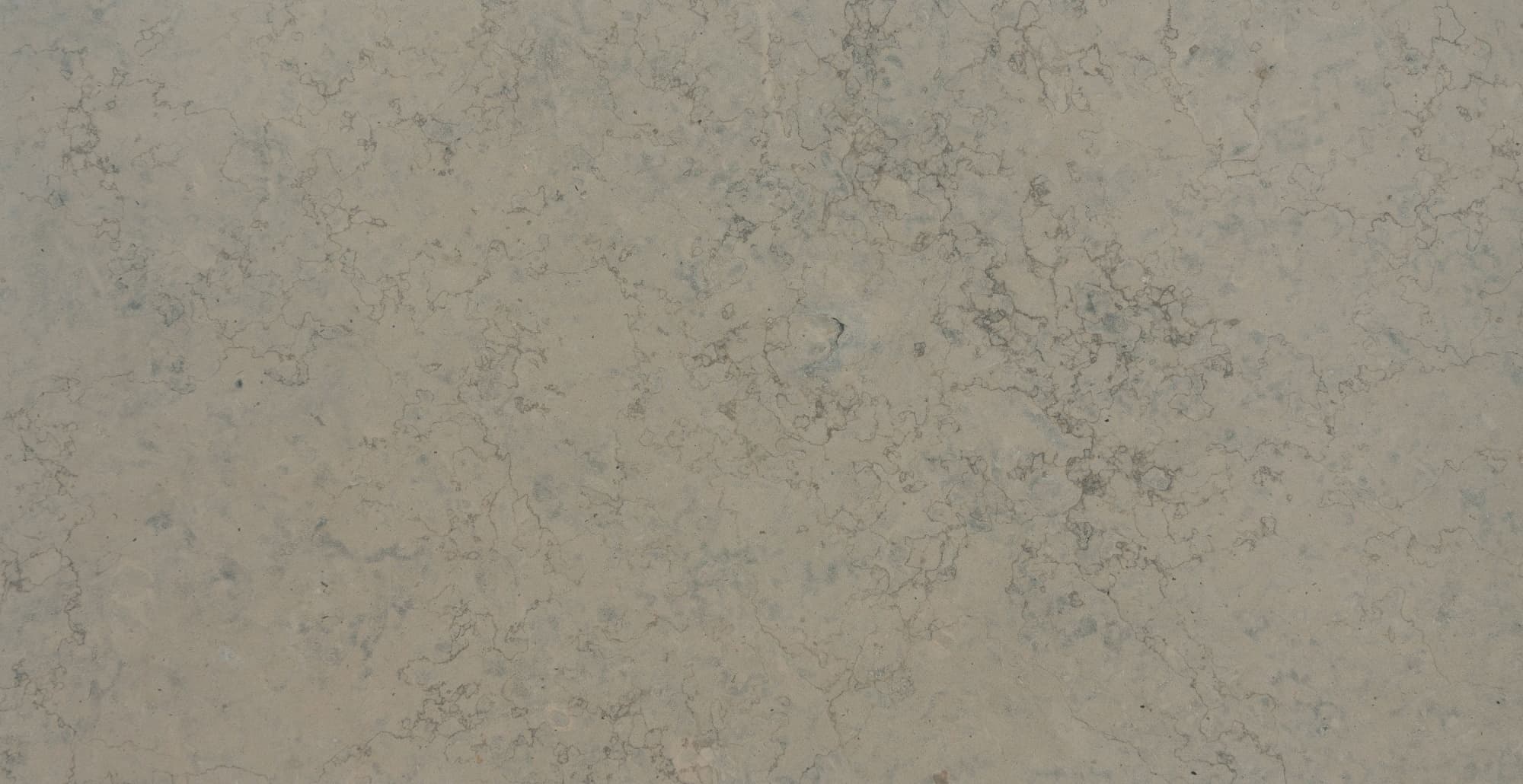
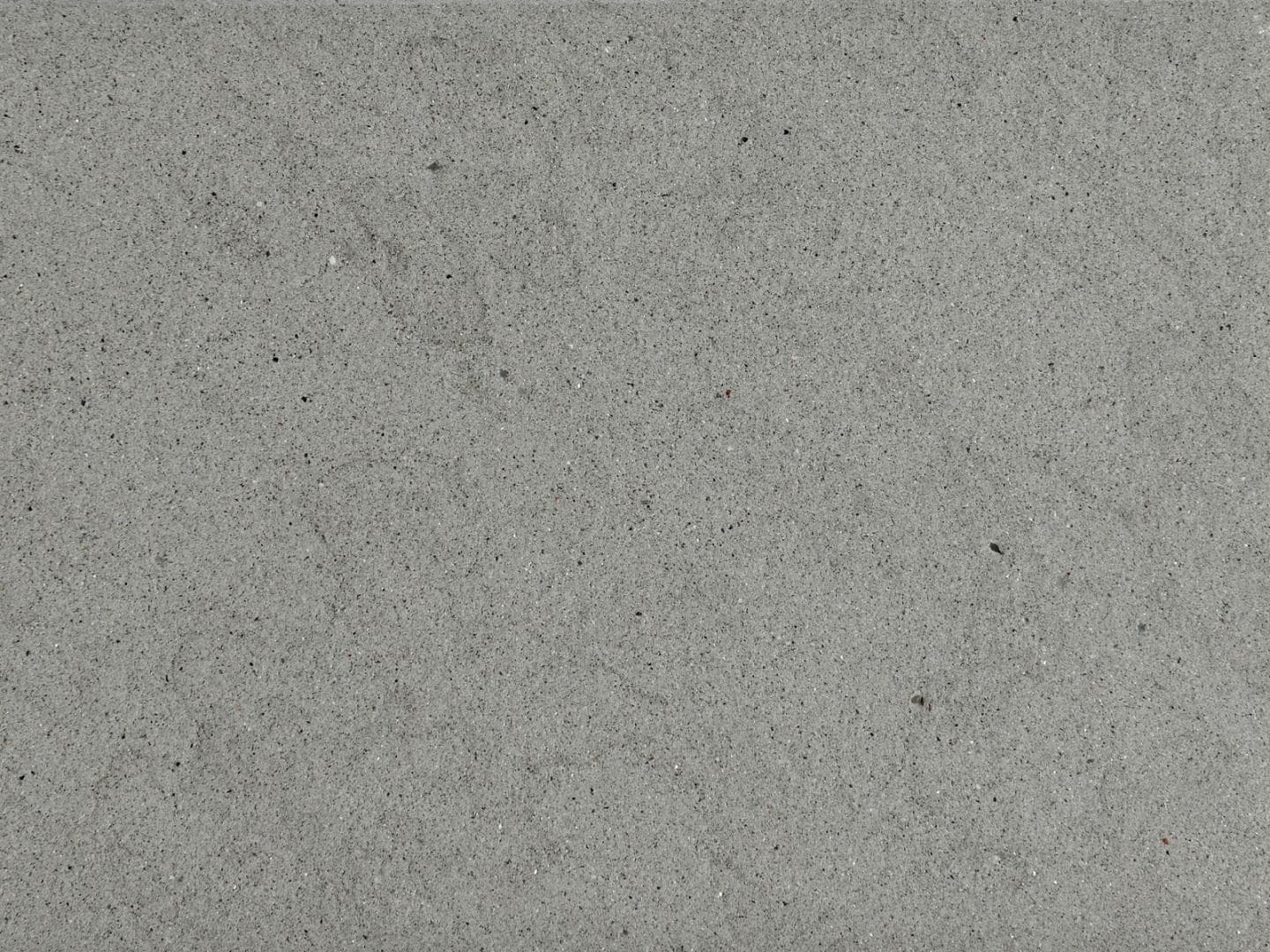
Moleanos Azul is our first call for a cool, contemporary limestone facade. It is the densest of the Moleanos family, with low water absorption, and the blue-grey tone gives a calm, slightly severe elevation that beige limestones cannot. See the full Moleanos limestone guide for the variant breakdown.
Ataija Azul is another dense, blue-grey Portuguese limestone with strong exterior credentials and a fine, even grain.
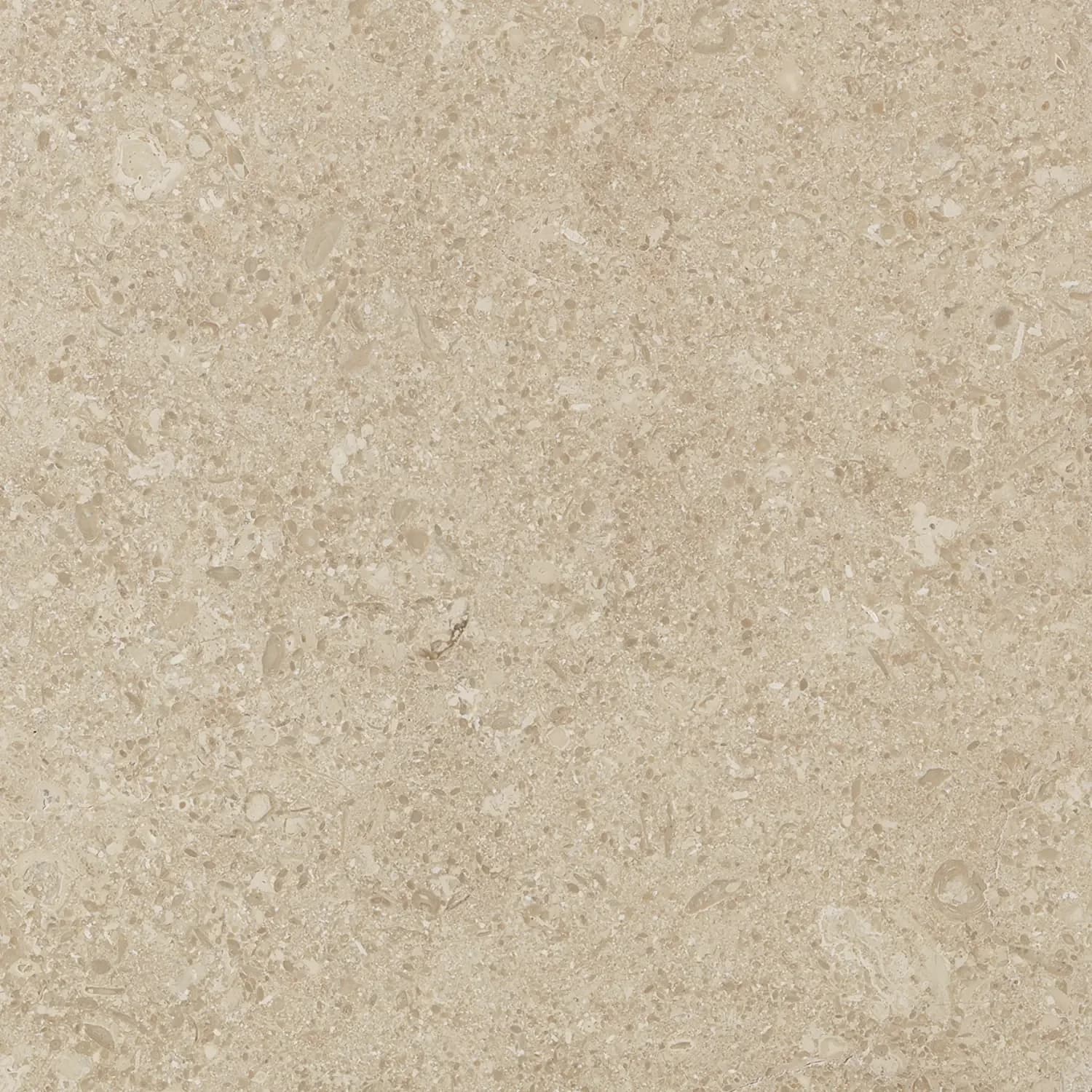
Atlantic Grey offers a mid-grey option within a family (Beige, Grey, White, Mix) that lets you tune the elevation tone while keeping consistent technical behaviour.
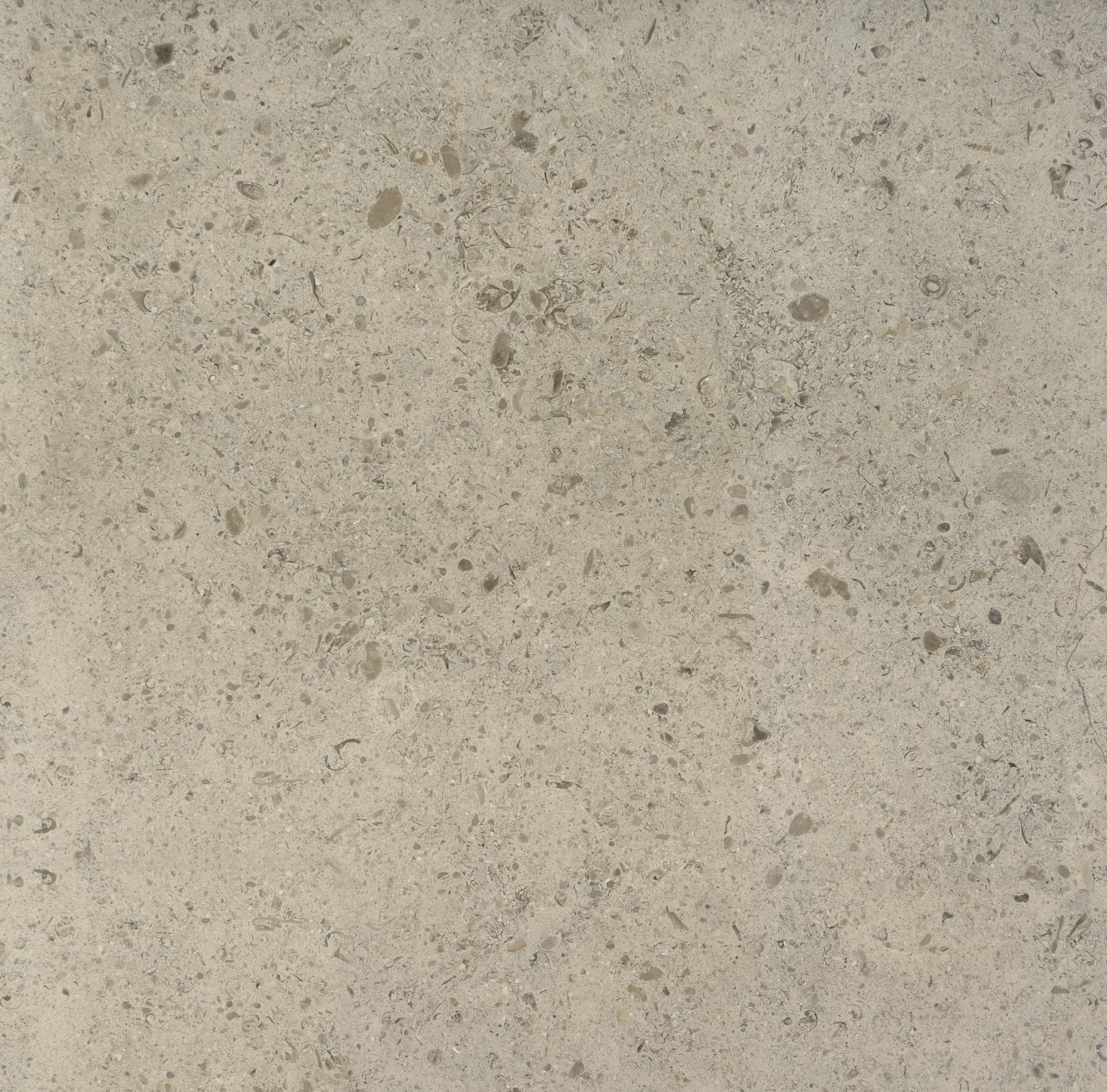
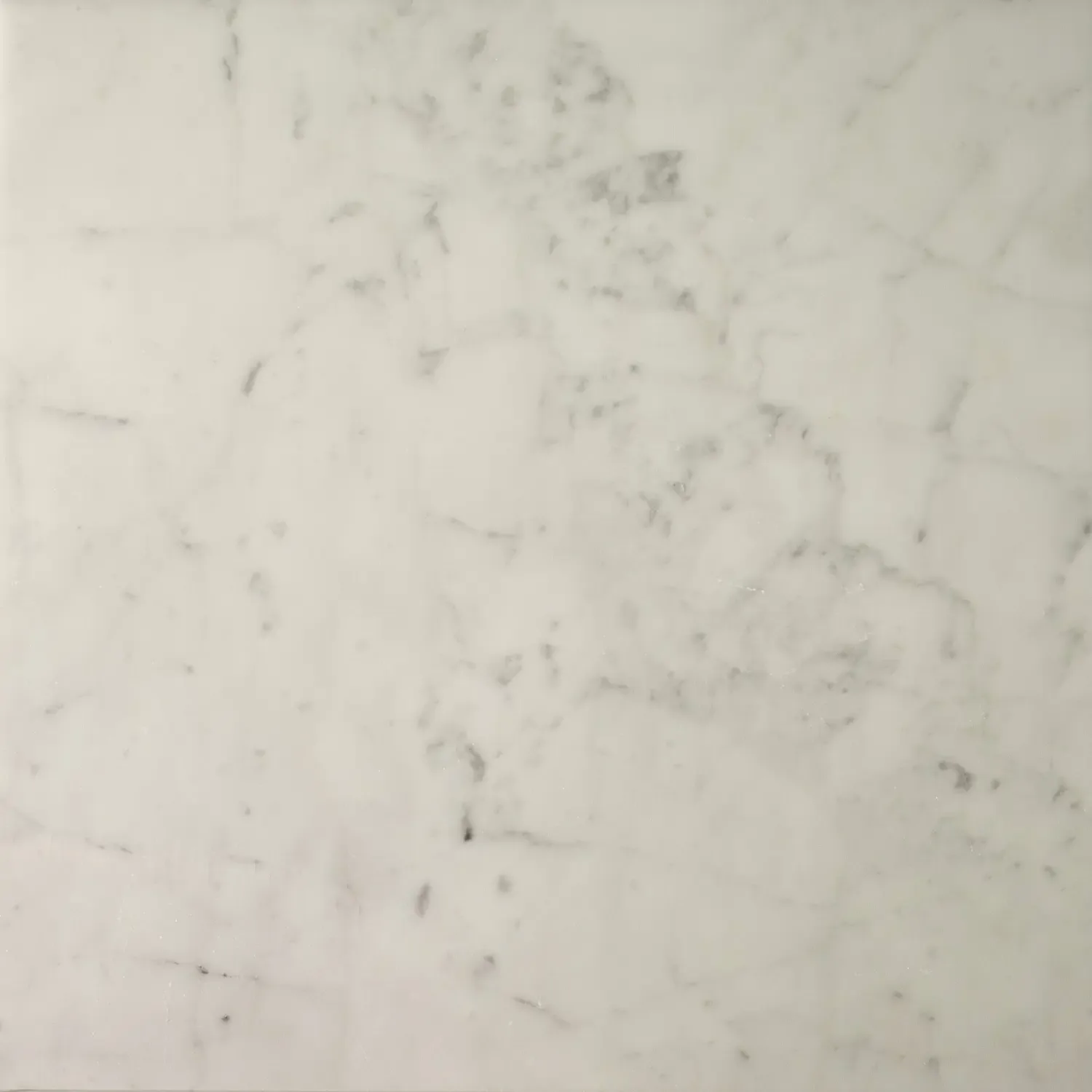
Grolla Beige is a warm Italian option for temperate elevations that want a softer, traditional tone.
For a warm palette in a mild climate, the beige Portuguese limestones open up. For cool tones and harder exposure, the dense Azul stones lead.
When we would steer you to sandstone instead
Sometimes the right answer to "which limestone for my facade" is: not limestone. In hard freeze-thaw climates, or where you want a naturally textured, grippy, robust face, a good sandstone often outperforms limestone.
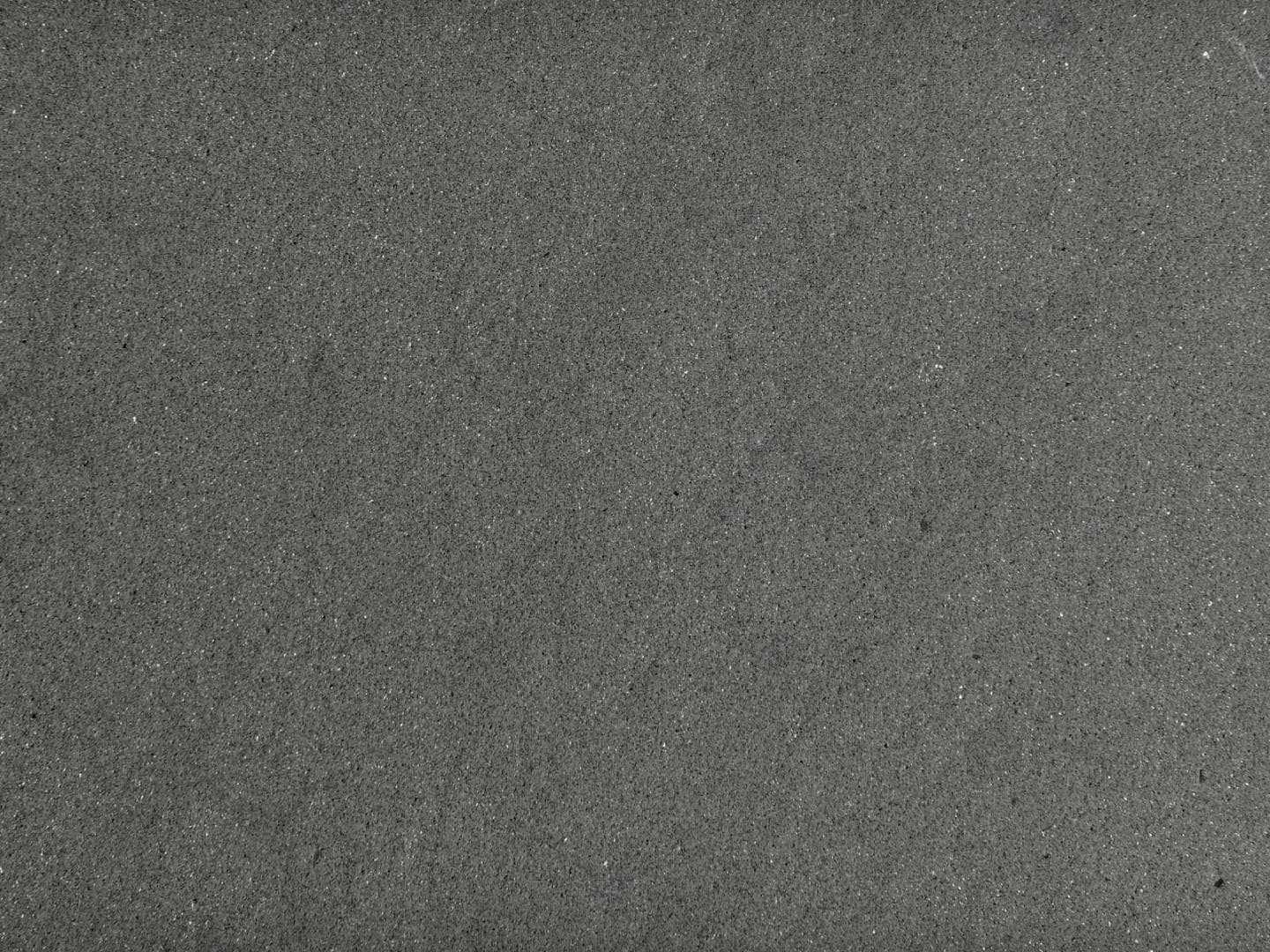
Pietra Serena, the grey-blue sandstone that clad Renaissance Florence, is a proven facade and paving stone with a calm, even tone. It has its own porosity considerations (see the Pietra Serena guide), but as a textured grey exterior stone it is hard to beat.
Pietra Forte Fiorentina is the denser, tougher Florentine sandstone, literally the "strong stone" that carries the city's palazzi. For structural, load-bearing, or heavily exposed masonry, it is the more robust choice.
This is the honest-specifier move: recommend the material that suits the job, even when it is not the one you searched for.
Sealing, maintenance, and lifespan
Exterior stone should breathe. If you seal limestone cladding, use a breathable impregnating sealer that sits in the pores and repels water while still letting vapour escape. Never use a film-forming topical sealer outdoors: it traps moisture behind the film, and in a freeze-thaw climate that is the exact failure you are trying to avoid.
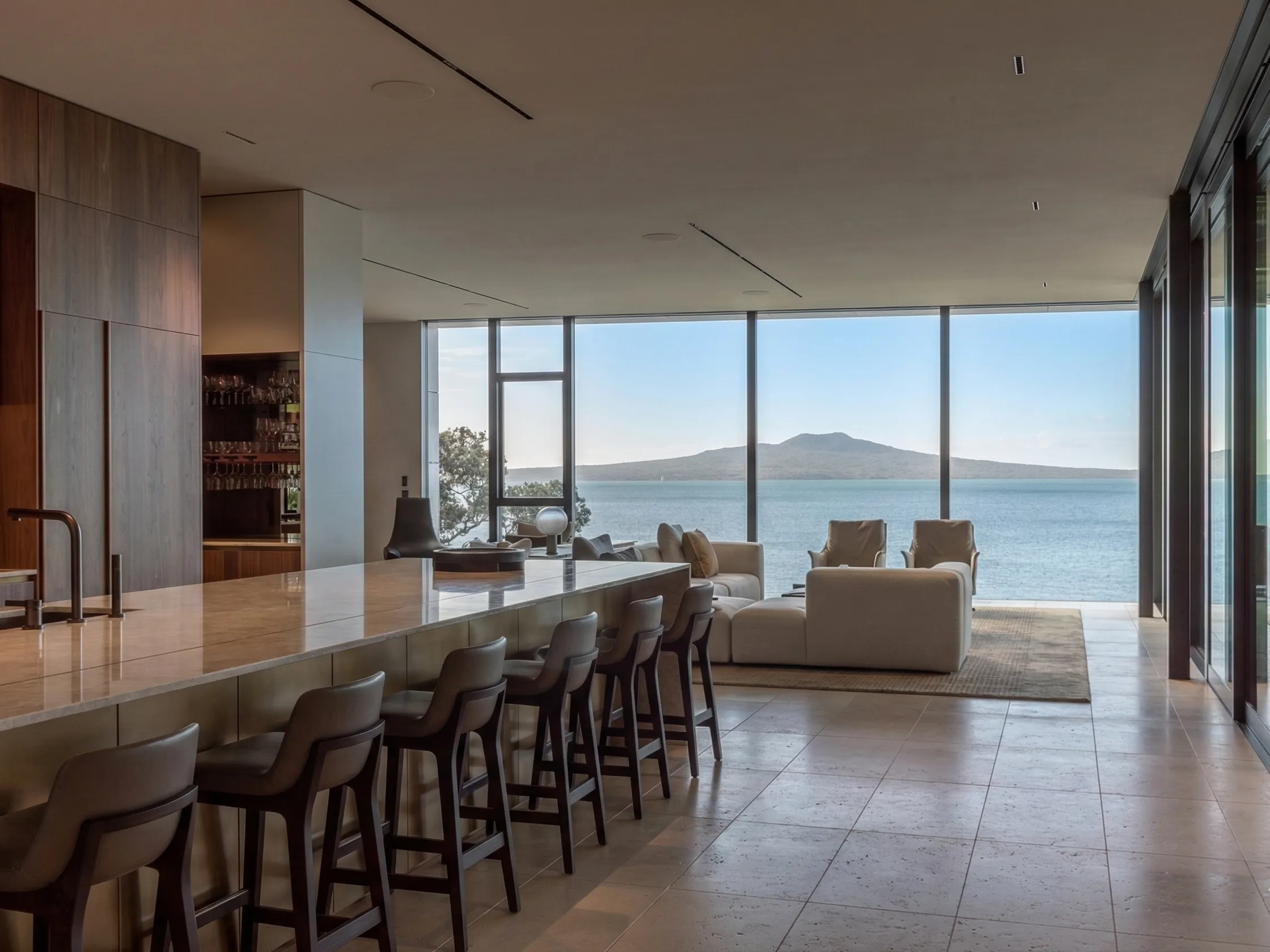
In many temperate climates a dense limestone facade is left unsealed and simply weathers to a soft patina. Sealing is a decision driven by staining risk and exposure, not a reflex. Correctly specified and detailed, a good limestone or sandstone facade is a multi-decade, often multi-generational, surface. That longevity is the argument for spending the time on the specification now.
How to get a spec and samples for your project
The workflow we would run for your facade: define the climate and exposure, set the target absorption and freeze-thaw requirement, shortlist stones that meet it, then get physical samples in the intended finish and, for exterior work, block-specific test data for the material reserved for your project. Never specify a facade stone from a photograph, and never accept a category-average data sheet for an exposed, cold-climate elevation.
If you are specifying cladding, start a project brief with your climate and application and we will return a shortlist of stones that actually suit it, with honest notes on where each one is and is not appropriate. Or request samples of the stones above in your chosen finish.