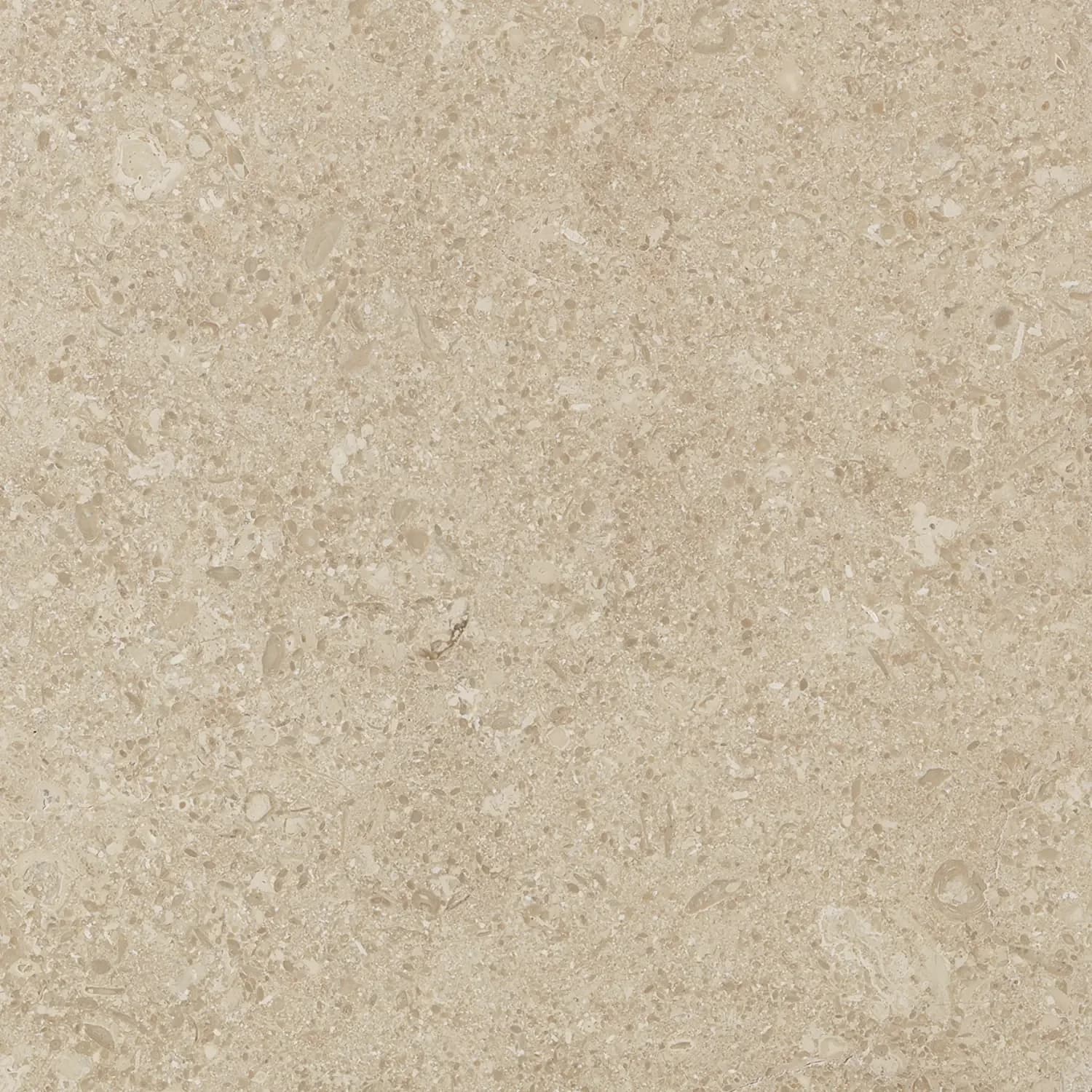
Stand in the Pazzi Chapel or run your eye along the arcades of the Ospedale degli Innocenti and you are looking at Pietra Serena. This calm grey-blue sandstone is the material Filippo Brunelleschi chose to draw the lines of the Renaissance, and it is the reason Florence reads as a city composed in grey. Six hundred years later it is still quarried in the same Tuscan hills, and it is still one of the most quietly beautiful stones an architect can specify.
Most of what ranks for this stone is either a supplier data sheet or an encyclopaedia entry. Neither tells you both the story and how to actually specify it. We publish Pietra Serena and source it at the block, so this guide does both: the heritage that makes it worth choosing, and the straight technical guidance, including the caveat suppliers tend to skip.
The stone that built Florence
Pietra Serena is inseparable from the architecture of the Renaissance. When Brunelleschi and the architects who followed him needed a material for pilasters, cornices, columns, string courses, and framed openings, they reached for the grey sandstone quarried at Fiesole and in the hills around Florence. Its even colour and fine grain let it read as line and shadow against pale plaster, which is exactly the disciplined, geometric language the Renaissance was inventing.
The name translates roughly as "serene stone," and it earns it. There is nothing loud about Pietra Serena. It is a background stone in the best sense: it organises a space without shouting, which is why it has never really gone out of use in Italian architecture and why it reads as effortlessly contemporary in modern work.
Character and geology
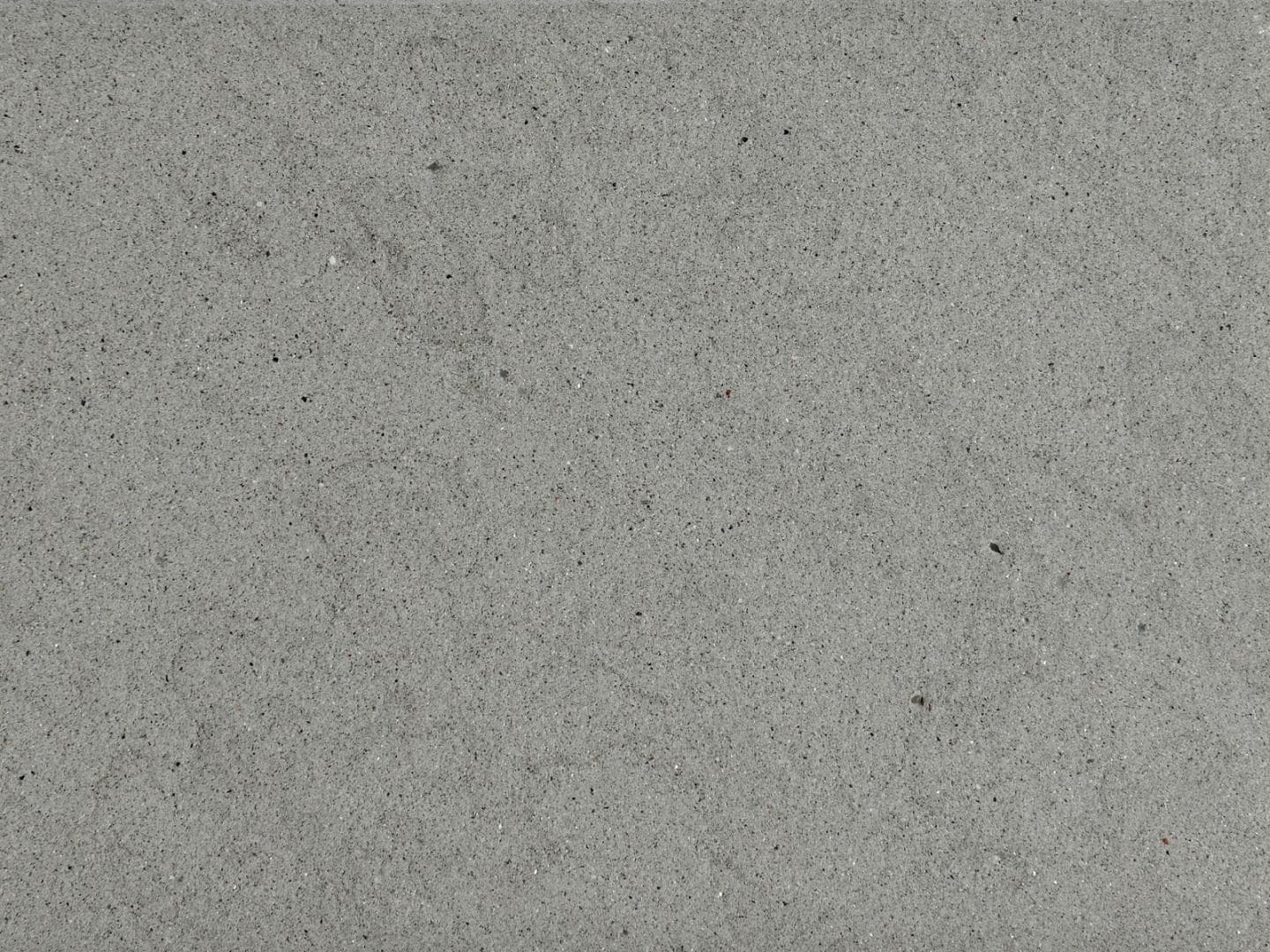
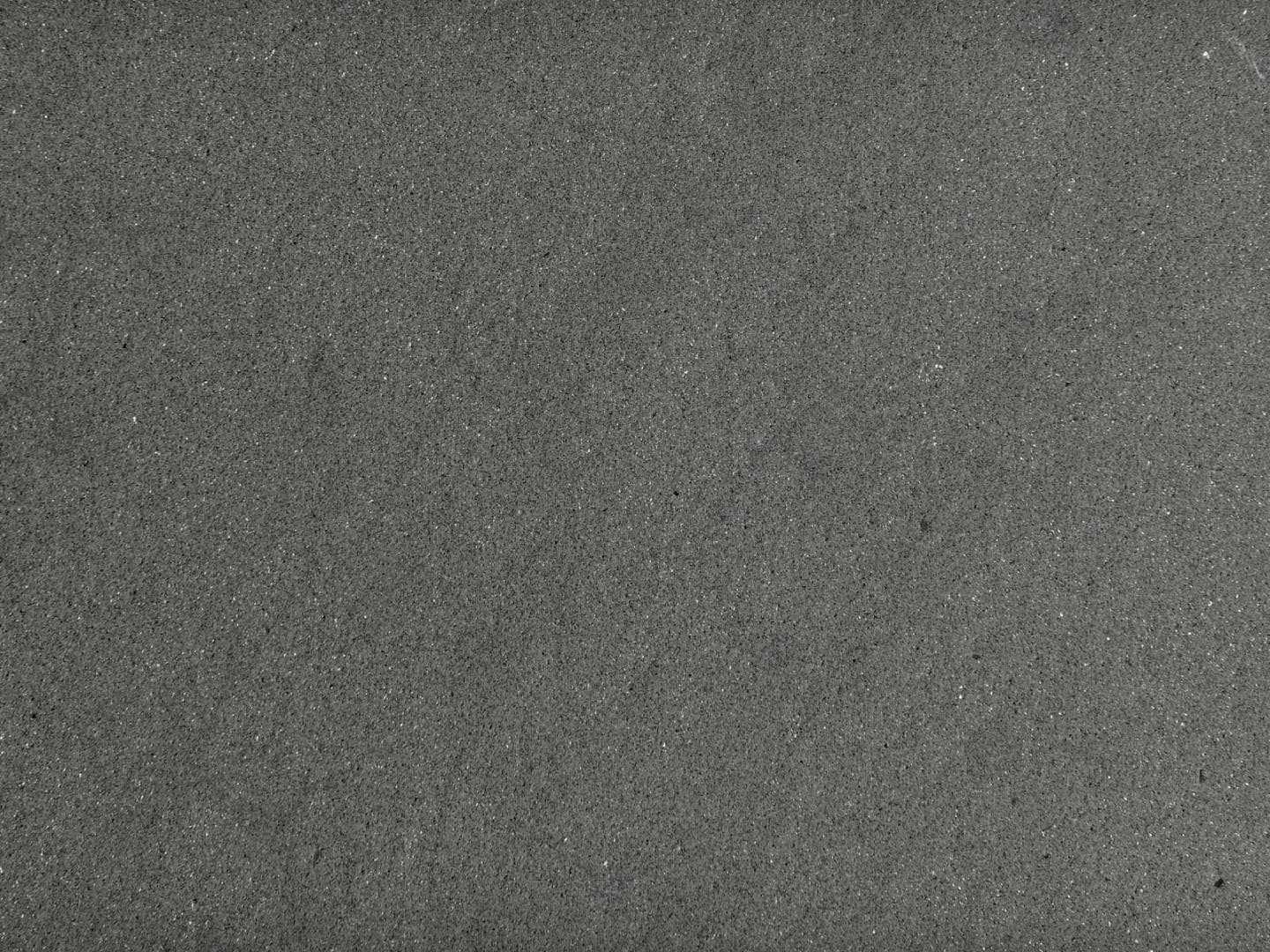
Pietra Serena is a fine-grained sandstone, a compacted sedimentary stone made largely of quartz and other grains bound in a natural matrix. Its colour is a soft grey to grey-blue, cooler and more even than most sandstones, sometimes with subtle darker markings and occasional iron traces that warm to a light ochre where exposed and weathered over long periods.
The grain is fine and consistent, which is what allows it to take crisp arrises and carved detail. Across a large floor or elevation it reads as a calm, matte, unbroken grey, and it holds tonal consistency well when selected from a good bed. That evenness is its defining design quality.
Technical properties and the porosity caveat
Here is the honesty the data sheets gloss over. Pietra Serena is a genuinely proven building stone, but it is a sandstone, and sandstones are porous. Quality varies significantly by bed and quarry, more than for most marbles, so the specific selection matters enormously.
It is medium in hardness and strength for a building stone, comfortably suited to flooring and cladding when well selected, but not as dense or tough as its cousin Pietra Forte.
Its porosity is real. It absorbs water more readily than a dense limestone or marble, which is why sealing is normal and why exterior detailing has to keep it from staying saturated.
Weathering is generally graceful; Florence is the proof. But in exposed, freeze-thaw conditions a poorly selected block can spall over time, so cold-climate exterior use needs a dense selection and block-specific freeze-thaw data.
Do not specify Pietra Serena from a category average. Because bed-to-bed variation is significant, the honest move is to reserve material from a known bed and get test data for that material. That is precisely what a sourcing studio is for.
Finishes that suit it
Pietra Serena is a matte, tactile stone by nature, and its finishes lean into that rather than fighting it.
Honed gives a smooth, even matte face, the default for interior floors and refined wall cladding. It shows the stone's calm grey at its best.
Sawn or fine-rubbed surfaces keep a natural, understated character suited to traditional detailing.
Brushed and bush-hammered finishes add grip and texture for exterior paving, stairs, and wet areas, and they weather evenly across large exterior fields.
Polished is not the point of this stone. Pietra Serena is not trying to be a mirror; its whole appeal is the matte, drawn quality. Keep it honed or textured.
Facade and flooring applications
Indoors, Pietra Serena is superb for floors, feature walls, stair treads, and the kind of crisp architectural detailing it was born for: reveals, surrounds, and lining. Its even grey grounds a contemporary interior and lends instant gravitas to a traditional one.
Outdoors, it has a six-century track record for cladding, paving, columns, and detailing, and it remains an excellent exterior stone in temperate climates with sound detailing. The caveats are the sandstone ones: select a dense bed, seal appropriately, detail for drainage, and get freeze-thaw data for exposed cold-climate work. For the most demanding structural or heavily exposed masonry, we would often point you to the denser Pietra Forte instead, which is the next section.
For the wider exterior decision, our exterior cladding guide sets out the water-absorption and detailing framework that applies here too.
Pietra Serena vs Pietra Forte Fiorentina
These two Tuscan sandstones are constantly confused, and the distinction is worth getting right because they do different jobs.
Pietra Serena is the finer, softer, more even grey-blue stone. It is the decorative and surface stone: floors, cladding, detailing, the calm architectural line. Its name means calm.
Pietra Forte Fiorentina is the "strong stone." It is denser, harder, and warmer in tone, and it was Florence's structural material, the load-bearing rusticated masonry of palazzi like the Palazzo Vecchio and Palazzo Pitti. Where you need toughness, load-bearing capacity, or maximum exterior durability, Forte is the answer.
A simple way to hold it: Serena for the calm face of the building, Forte for the strong body of it. We publish both, so if your project needs one you can compare the other.
Sampling Pietra Serena for your project
Because bed-to-bed variation is real, Pietra Serena is a stone you should never specify from a photograph or a single small sample. Get physical samples in your intended finish, ideally from reserved material, and for exterior work insist on block-specific test data rather than a generic quarry figure. View the samples in the actual light of the space; the grey shifts noticeably between north light and warm interior light.
If you are specifying Pietra Serena, or weighing it against Pietra Forte, start a project brief and we will source the right selection and finish for your application, with honest guidance on where each stone belongs. Or request samples of both and see the difference in your own hands.