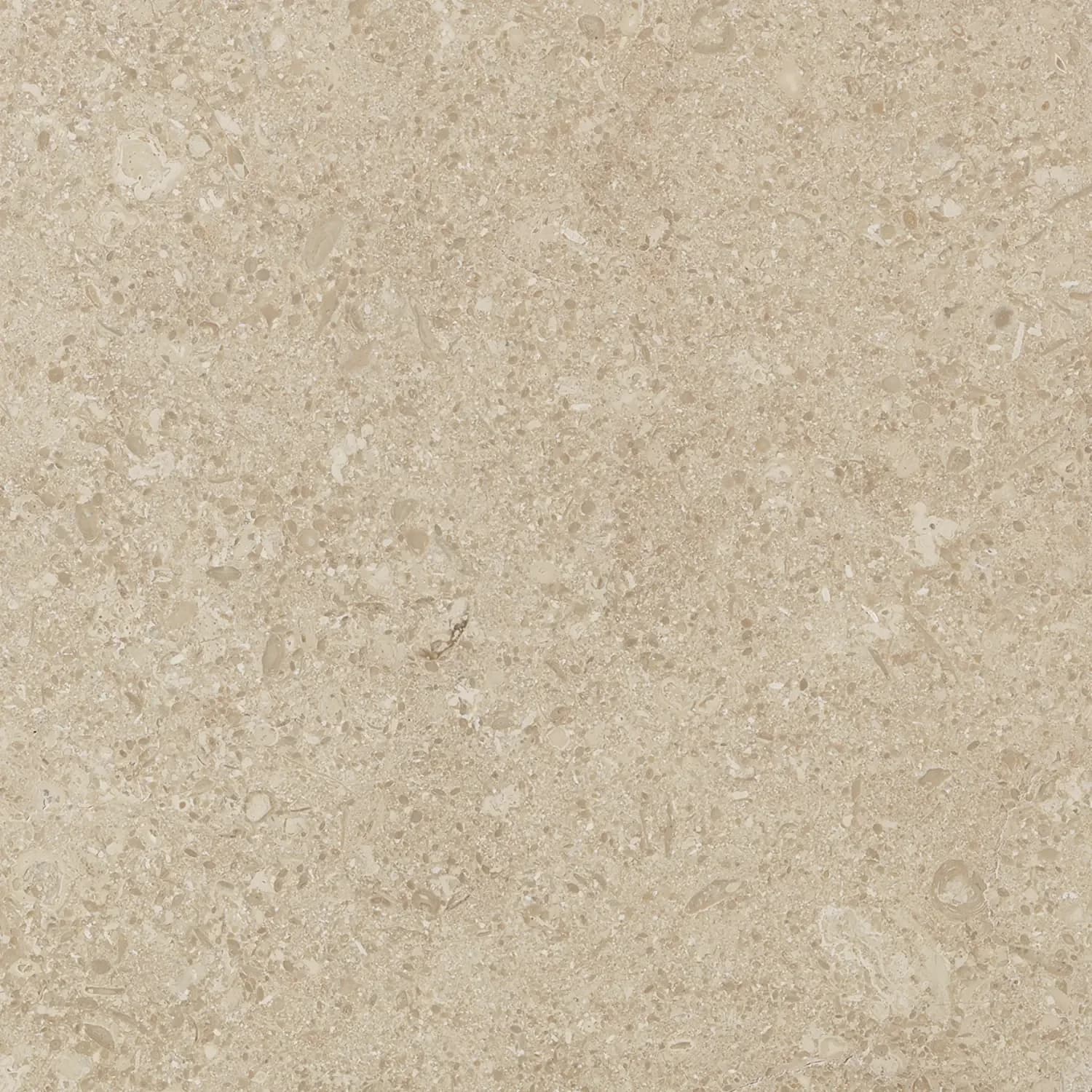
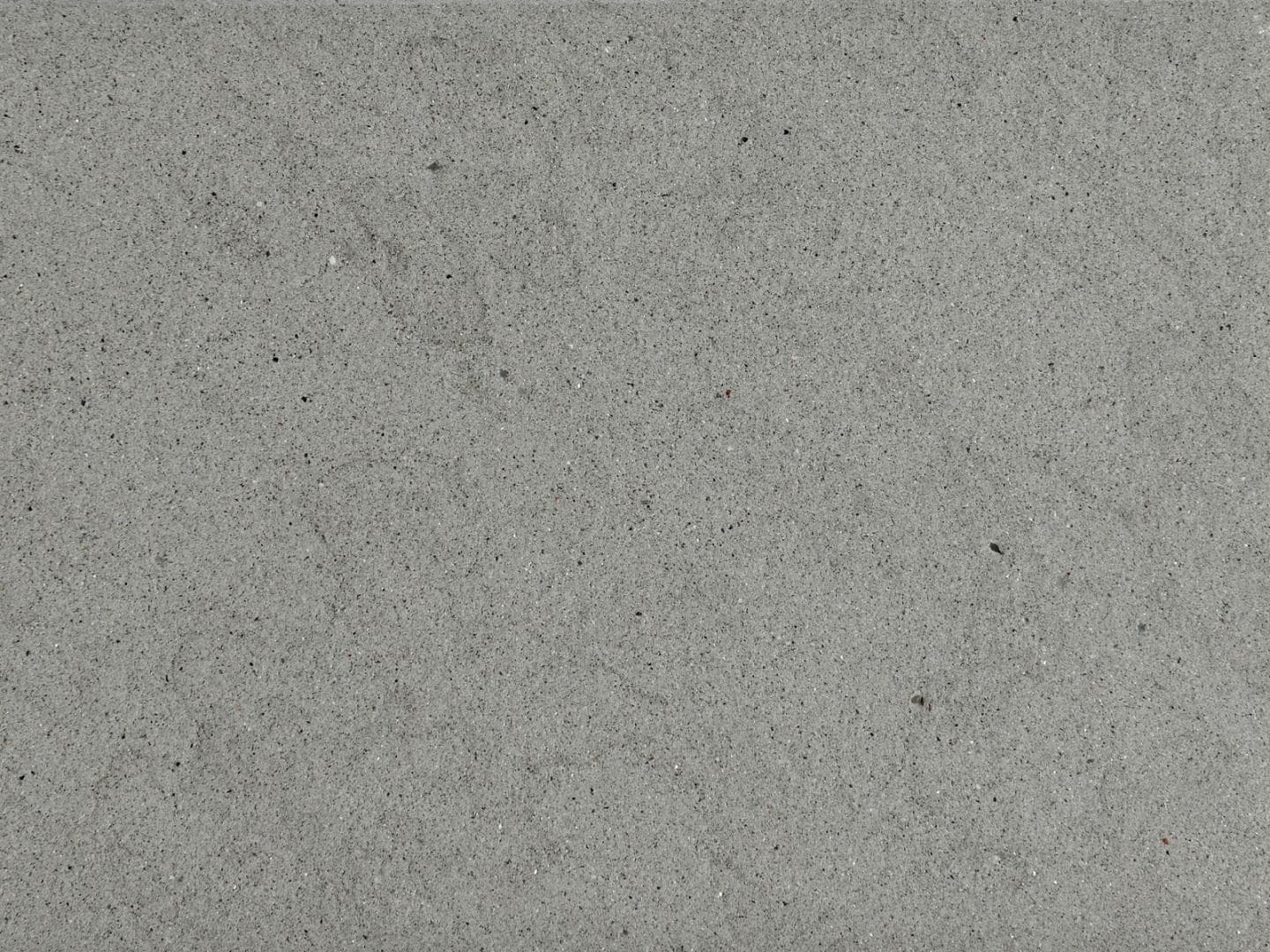
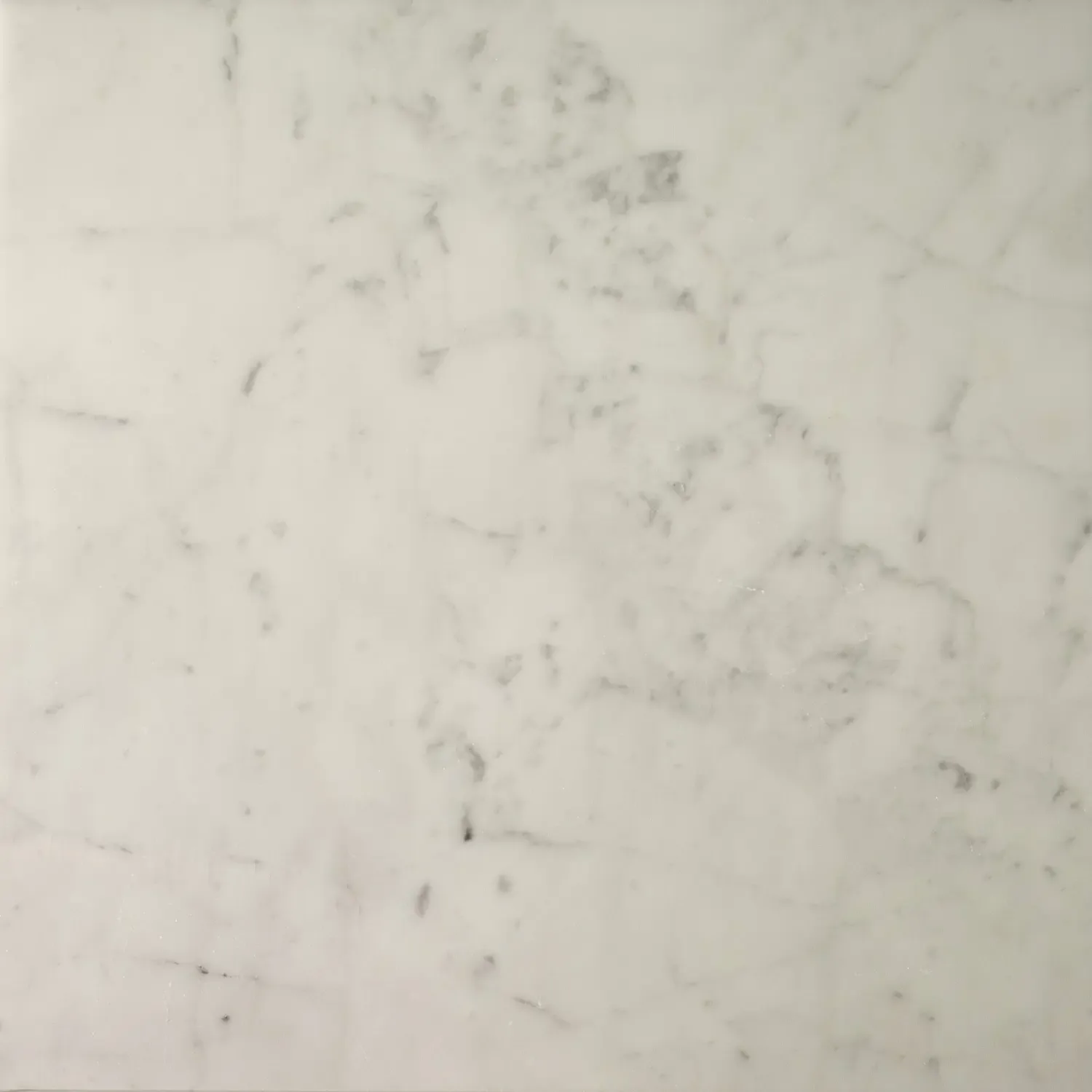
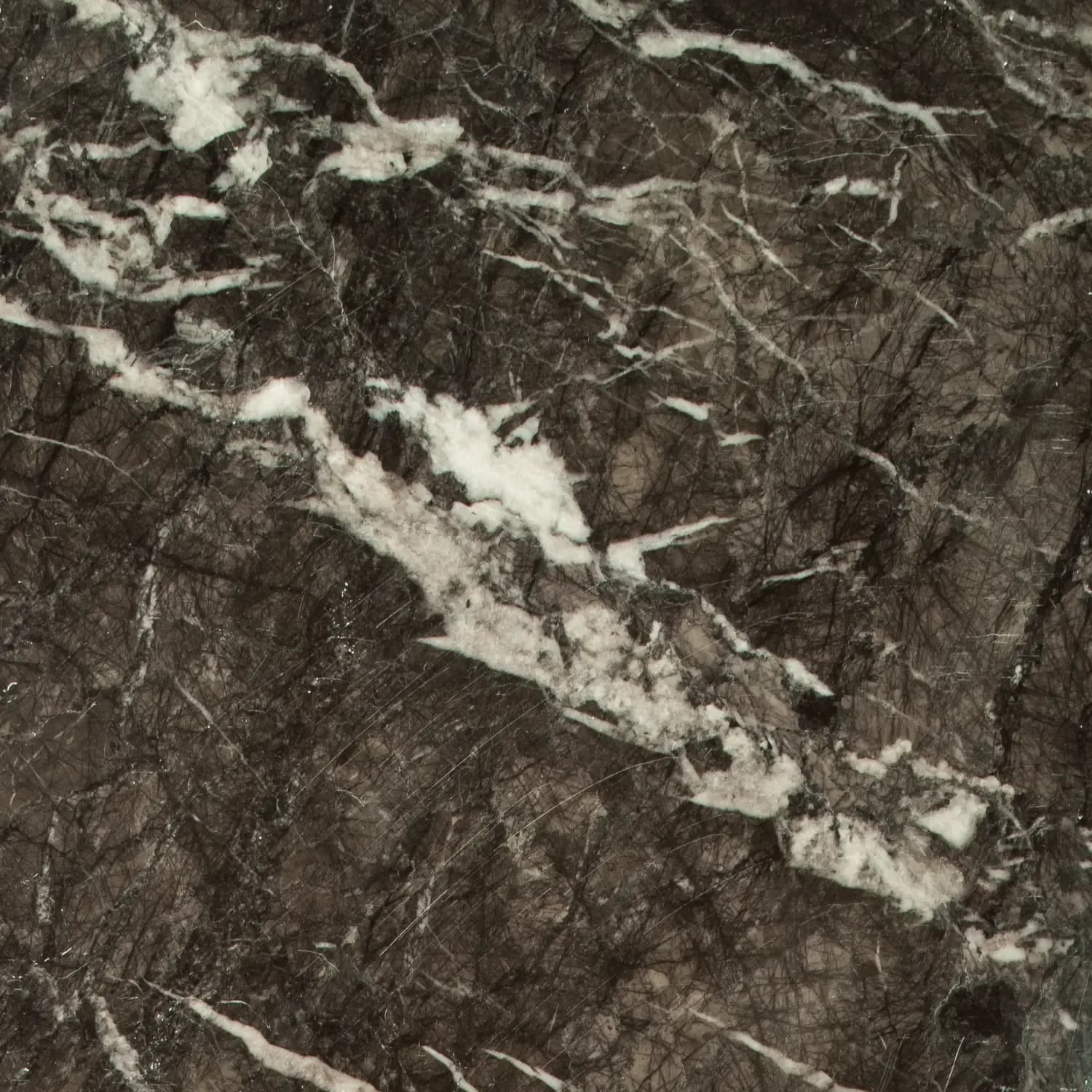
Grolla is one of those Italian limestones that rewards a closer look. From a distance it is a calm, warm, even stone, the kind you would specify without a second thought for a floor or a facade. Up close it turns out to be a small family: a versatile Beige, a softly pink Rosato, and a genuinely unusual natural Terrazzo variant that looks like a composite but is solid quarried stone. Most references lump these together or ignore two of them entirely.
We publish Grolla and source it at the block, so here is the clear version: what the three faces are, how they differ, the honest technical picture, and where each one earns its place.
What Grolla is
Grolla is a dense, compact limestone from the Veneto, in northern Italy, the region that has supplied building stone to Venice and its hinterland for centuries. It is valued for an even colour, a fine consistent structure, and a density that lets it work indoors and out.
What makes Grolla worth knowing is that it comes in distinct natural tones and textures from the same quarrying tradition, so you can hold a consistent material language across a project while varying the character room by room or element by element. That is a genuinely useful property for an architect composing a building in a single stone family.
The three faces of Grolla
Grolla Beige is the workhorse: a warm, even, neutral beige that sits calmly under any palette. This is the one you reach for when you want a versatile, contemporary limestone floor or cladding that grounds a space without drawing attention to itself. It reads clean and modern honed, warm and tactile brushed.
Grolla Rosato carries a soft pink to rose undertone. It is not loud; it simply warms a space in a way the beige does not, giving interiors a gentle, flattering character. In the right setting, a spa, a residential bathroom, a boutique retail space, that quiet warmth is exactly the point. Technically it is the same durable limestone; the choice between it and the beige is purely about the tone you want.
Grolla Terrazzo is the surprise. It has a pebbled, aggregate look that resembles a man-made terrazzo, chips set in a matrix, except it is a single natural stone, not a composite of fragments in resin or cement. You get the busy, speckled, playful character of terrazzo with the depth, edge quality, and authenticity of quarried limestone. For a floor that wants personality and hides traffic, it is a distinctive alternative to both plain stone and actual terrazzo.
Technical properties
Grolla is a sound, dense limestone across its variants, though as always the specific bed governs the exact numbers.
Density and hardness. It is a dense, medium-hard limestone, rated for interior floors and cladding and capable of exterior work. It is not as hard as granite, and being calcite-based it etches with acid and scratches under abuse.
Water absorption. Low for a limestone, which supports its exterior use, though a cold-climate facade wants the specific block's absorption and freeze-thaw figures.
Consistency. A real strength: Grolla holds its tone and structure well across a bed, which matters when you are covering a large floor or elevation and cannot tolerate patchy variation.
Reserve from a known bed and specify to tested numbers. The Terrazzo variant in particular varies in aggregate density, so sample the actual material.
Finishes and where they belong
Honed suits all three variants for interior floors and cladding, giving a smooth, even face that shows Beige's calm, Rosato's warmth, and Terrazzo's aggregate cleanly.
Brushed and bush-hammered add grip and a tactile surface for exterior paving, wet areas, and facades.
Sawn and sandblasted give understated, civic surfaces for traditional and heavy-duty work.
Polished is available but off-brief for a stone whose appeal is warmth and calm; keep it honed or textured.
Where Grolla belongs
Indoors, all three variants make excellent floors, wall cladding, and detailing. Beige is the versatile default; Rosato brings warmth to spas, bathrooms, and residential interiors; Terrazzo gives character and dirt tolerance to lobbies, retail, and playful residential floors. As a family they let you compose a whole building in one coherent limestone while varying mood.
Outdoors, Grolla's density supports ventilated facade cladding and paving in temperate climates. Detail it properly, use a textured finish for grip, seal appropriately, and get block-specific data for exposed cold-climate work. Our exterior cladding guide sets out that framework in full.
Sampling Grolla
Because the three faces differ in tone and texture, and because Rosato's warmth and Terrazzo's aggregate read very differently in the flesh than in a photo, Grolla is a stone to specify from physical samples in your intended finish. View them in the actual light of the space; the beige and rose tones shift noticeably between warm interior light and cool daylight.
If you are composing a project in Grolla, or deciding between Beige, Rosato, and Terrazzo for different spaces, start a project brief and we will source the right variant, bed, and finish for each application, with honest guidance on where each belongs. Or request samples of all three and see the family together.