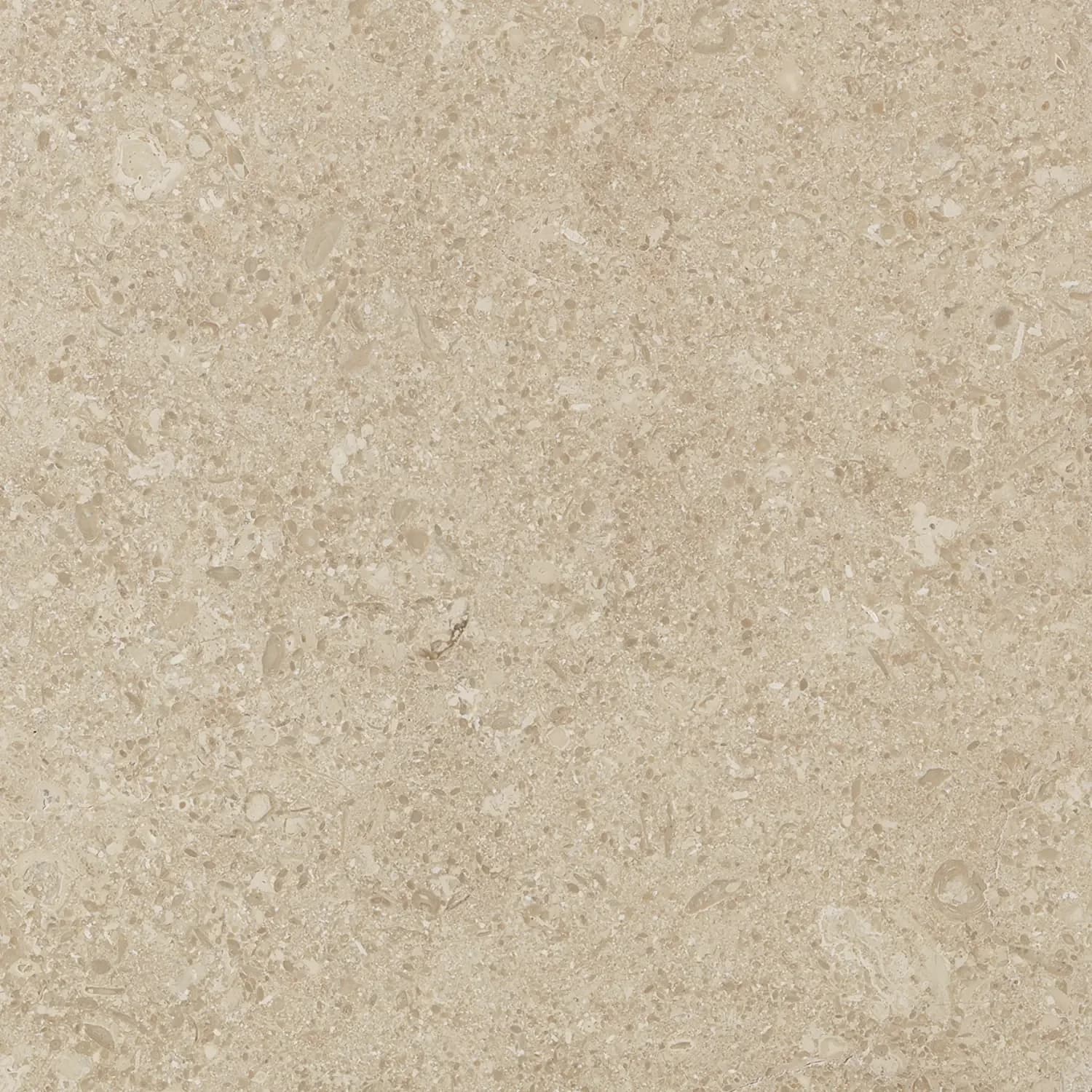
Carrara is the marble everyone knows, which is exactly why it is so often specified badly. It is the white stone of Michelangelo's David, of Roman temples, of a thousand hotel lobbies, and its very familiarity breeds carelessness: people order "Carrara" as if it were one thing, in the wrong finish, for the wrong place, and are surprised when it does not perform.
It is one thing, in the sense that it comes from one place, the Apuan Alps above the town of Carrara. It is many things in the sense that grade, block, veining, and finish change everything. We publish Carrara White and source it at the block, so this is the honest specifier's guide: how to choose it, how to finish it, where it works, and the mistakes to design out.
The reference marble
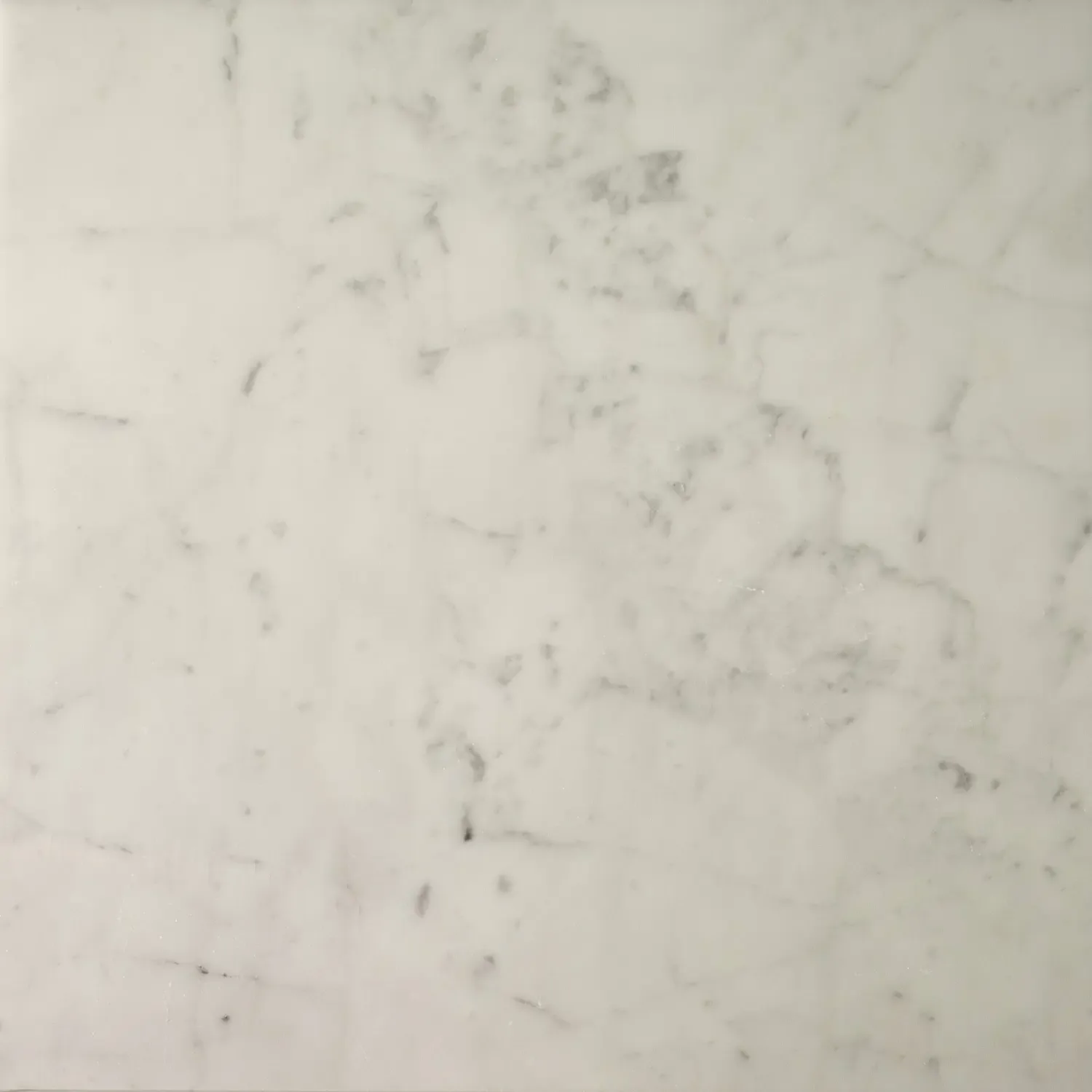
Carrara has been quarried for over two thousand years, since Roman times, from the same dramatic marble mountains in Tuscany. It is the reference against which every other white marble is measured, and its look is the one most people picture when they hear the word marble: a soft grey-white ground with fine, feathery grey veining, calm and understated rather than loud.
That restraint is its design strength. Where a bolder marble competes for attention, Carrara grounds a space. It sits under any palette, reads as quiet luxury rather than statement, and carries an authority that comes from two millennia of use in the greatest buildings in the world.
Grades and what you are actually buying
Here is the first thing the word Carrara hides: it is not a single grade. The material ranges from cleaner, whiter, more even selections to greyer, more heavily veined, or more clouded ones. Names like Carrara C, CD, and various commercial grades get used inconsistently across the trade, which is a source of endless confusion.
What matters is not the label but the actual material in front of you. Whiteness of ground, evenness of veining, absence of unwanted grey clouding or cracks, and consistency across the batch all vary, and they all affect both look and price. The best Carrara is beautifully clean and even; lesser selections are greyer and busier. Specify from the actual slabs or a reserved block, not from a grade name, because the grade name means different things to different suppliers.
Honed vs polished: the decision that matters most
If you take one thing from this guide, take this. The single most consequential choice you make with Carrara is honed versus polished, and for most applications honed is the right answer.
A polished Carrara surface is a mirror shine, spectacular on day one. But that shine is a thin worked layer. On a floor, foot traffic abrades it into a dull, uneven trail exactly where people walk, and polished marble is slippery when wet. On a worktop, every etch mark shows as a dull spot against the gloss.
A honed Carrara surface has no shine to lose. It wears evenly, hides micro-scratching, grips better underfoot, and, crucially, disguises the etching that calcite marble inevitably suffers. For floors, bathrooms, and kitchens, honed is how Carrara survives real life. Reserve polished for low-traffic vertical features and feature walls where no one walks and nothing acidic lands.
Staining, etching, and the truth about maintenance
Carrara is calcite-based, and that fact governs its maintenance. Two different things happen, and people confuse them constantly.
Staining is a spill penetrating the stone. Sealing slows absorption and buys you time to wipe up wine or oil before it soaks in. A breathable impregnating sealer is standard.
Etching is a chemical reaction: acids such as wine, citrus, tomato, and many cleaners react with the calcite and leave a dull mark, regardless of sealing. No sealer prevents etching, because it is not about absorption. This is not a flaw to be fixed; it is the nature of calcite marble, and it is why honed finishes and pH-neutral cleaning are specified. Design for it, train the client or operator, and Carrara ages into a patina rather than looking damaged.
Where Carrara belongs
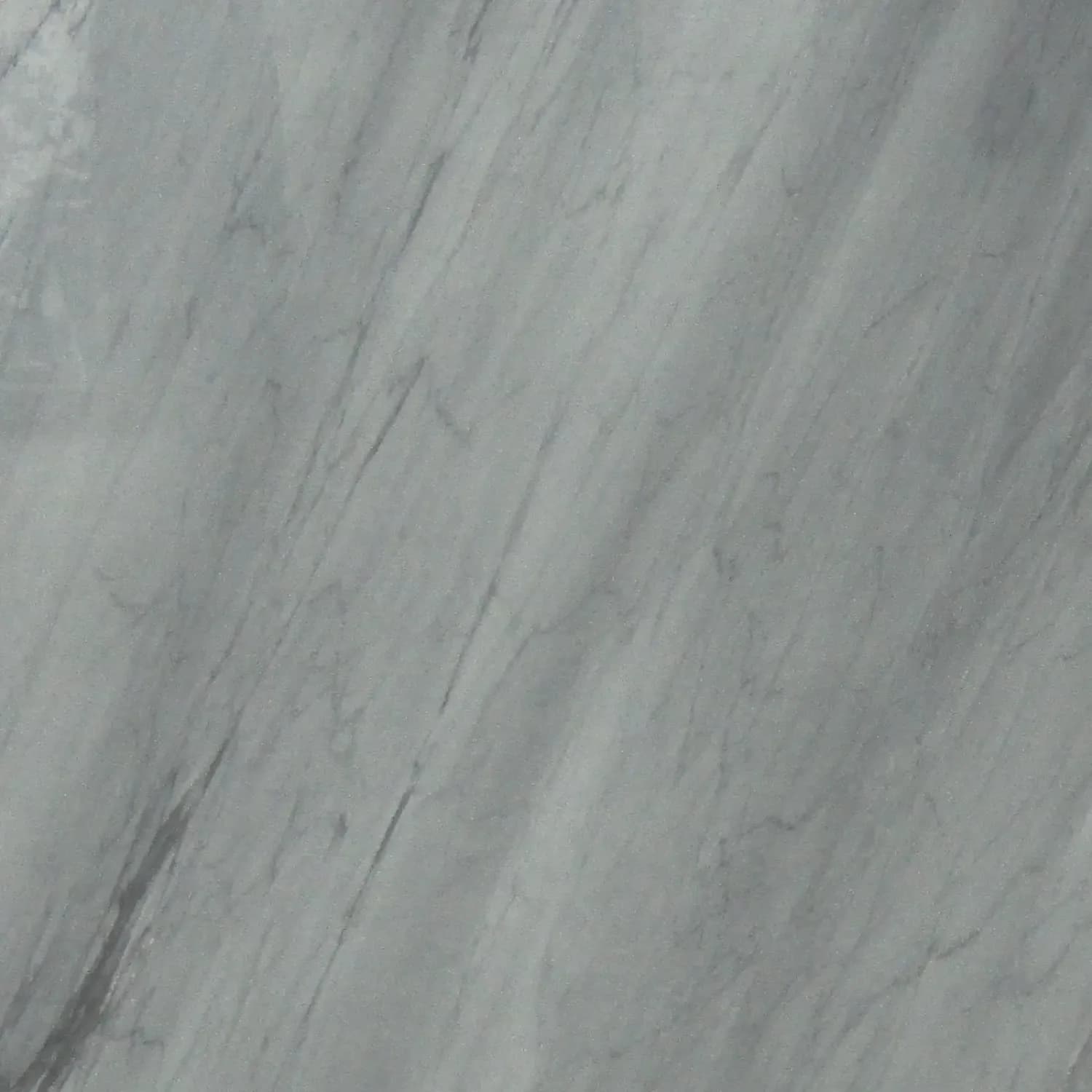
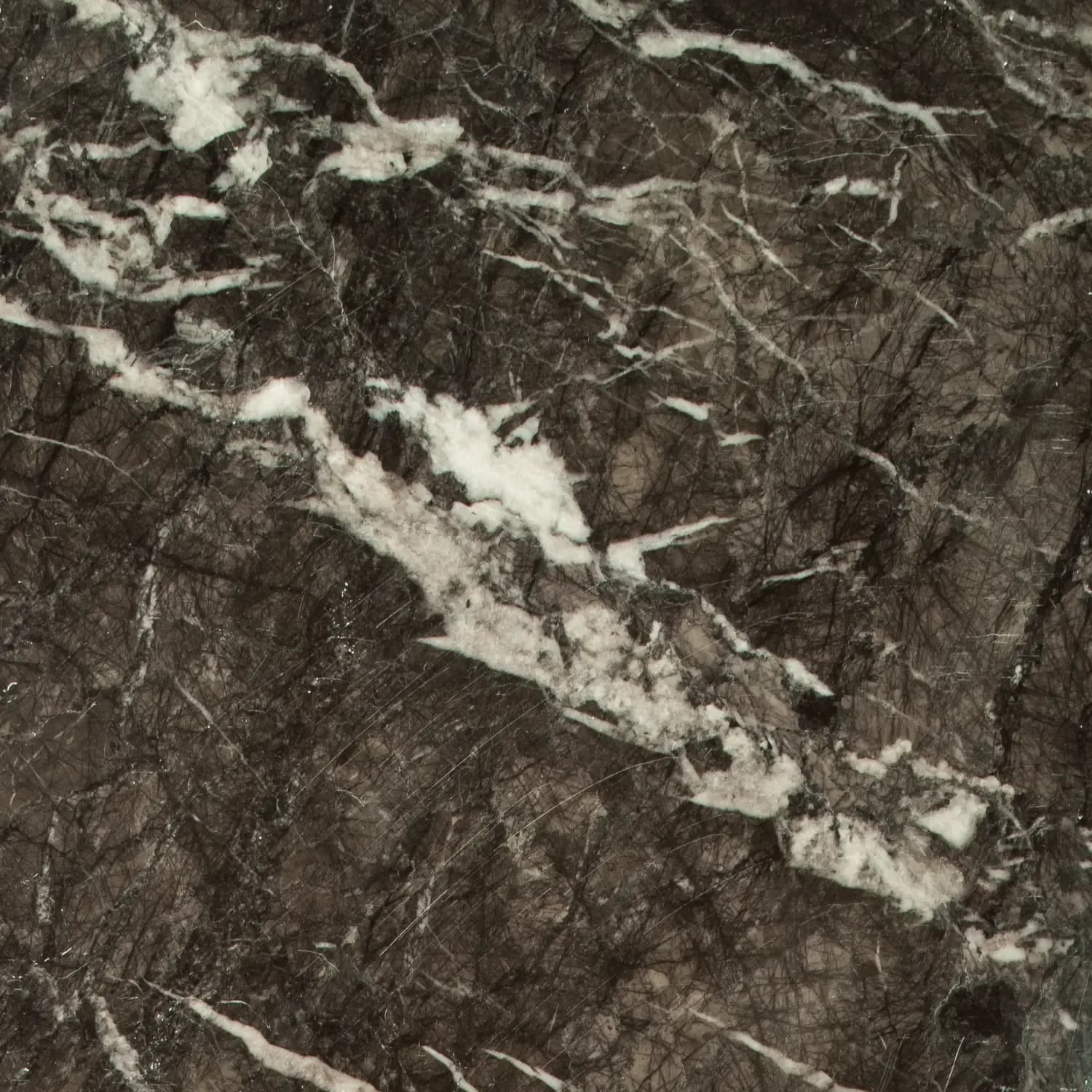
Indoors, Carrara is superb: honed floors, feature walls, vanity tops, bathroom cladding, reception faces, and detailing. In commercial and hospitality settings it delivers the classic luminous marble look without the fragility people wrongly assume, provided it is honed. It is a natural partner to darker marbles such as Bardiglio Imperiale for contrast, and it appears as our reference luminous-lobby choice in the hotel lobby flooring guide.
Outdoors, Carrara is generally not the right call. It is calcite marble; it weathers, stains, and can suffer in exposed and freeze-thaw conditions. For exterior work, a dense limestone or a hard sandstone is the honest choice; see our exterior cladding guide.
Carrara vs Calacatta
Because the two are constantly confused, hold the distinction clearly. Carrara is the softer grey-white with fine, even, feathery grey veining; abundant and affordable; calm and understated. Calacatta is whiter with bolder, often golden or thick grey veining on a brighter ground; rarer and pricier; a statement stone. If you want quiet, timeless white marble at sensible cost, Carrara is the answer. We publish Carrara White as our reference white marble.
Sampling Carrara
Because grade and veining vary so much, Carrara is a stone to specify from actual slabs or a reserved block, viewed in your intended finish and the real light of the space. A polished sample tells you almost nothing about how the honed floor will look and behave, so always sample in the finish you will build.
If you are specifying Carrara, start a project brief and we will source the grade, block, and finish that suit your application, with honest guidance on honed versus polished and on maintenance. Or request samples in the finish you are considering and see the real material before you commit.