Sealing is the most over-worried and least understood part of natural stone care. People imagine a constant, anxious chore, and they imagine sealer does things it cannot do. Neither is true. Sealing a stone is quick, occasional, and genuinely useful, once you understand what it actually protects against and what it does not.
We specify stone for projects that have to last, so here is the honest account: which stones need sealing, which do not, how to tell the difference, how often to do it, and the one thing sealer will never fix.
What sealing does, and what it does not
An impregnating sealer soaks into the pores of the stone and lines them so that liquids are repelled rather than absorbed. It does not form a visible coating; a good penetrating sealer leaves the look and feel of the stone unchanged. What it buys you is time. On a sealed surface, a spill beads and sits instead of soaking straight in, which gives you the chance to blot it before it becomes a stain.
That is the whole job: sealing reduces staining by slowing absorption.
Here is what it does not do, and the misunderstanding that causes most disappointment: sealing does not stop etching. Etching is a chemical reaction between acid and the calcite in marble and limestone, and it happens at the surface, not in the pores. A sealer sits below the surface managing absorption; it is simply not where the acid reaction occurs. So a sealed marble worktop still etches if you leave a slice of lemon on it. To avoid etching you manage acid contact and choose honed finishes, not sealer. Keep the two problems separate in your mind and stone care suddenly makes sense.
Which stones need sealing, and which do not
Porosity decides it, and porosity varies enormously across natural stone.
Usually seal:
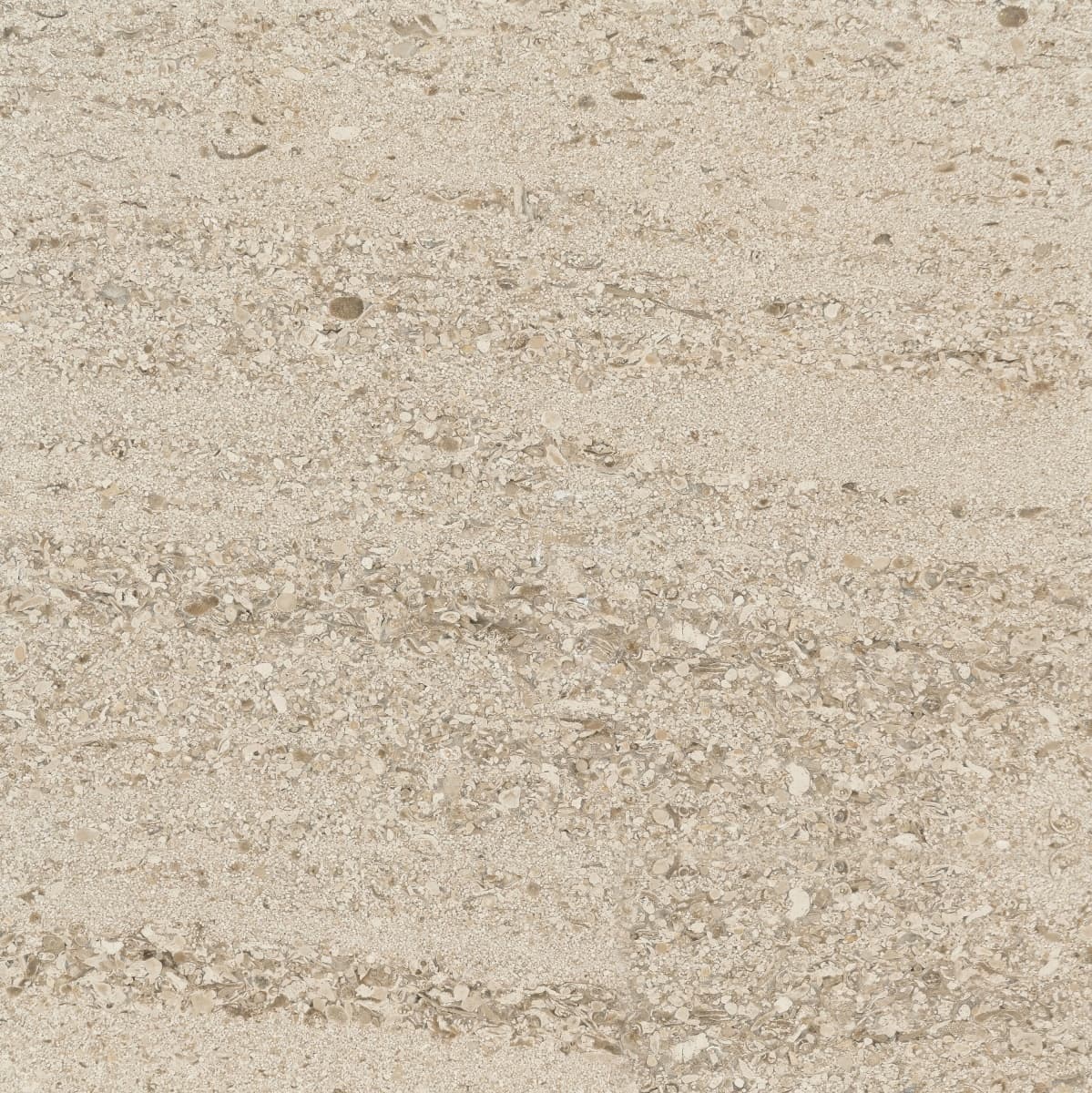
Limestone, such as Moca Creme or the Crema Fiorito family. Limestone ranges from fairly dense to quite porous, and most benefits from sealing to slow staining.
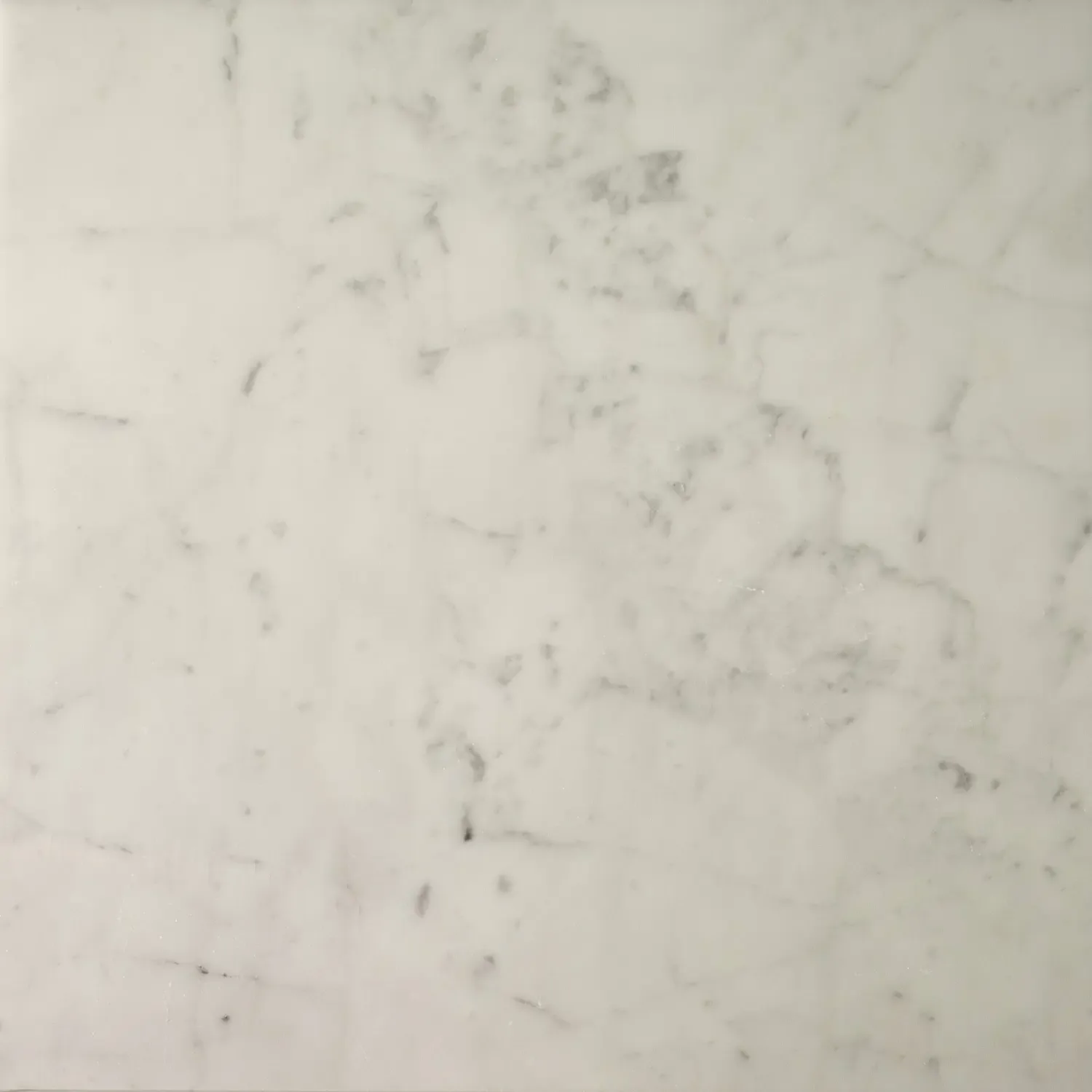
Most marble, such as Carrara White. Sealing slows staining, though remember it does nothing for etching.
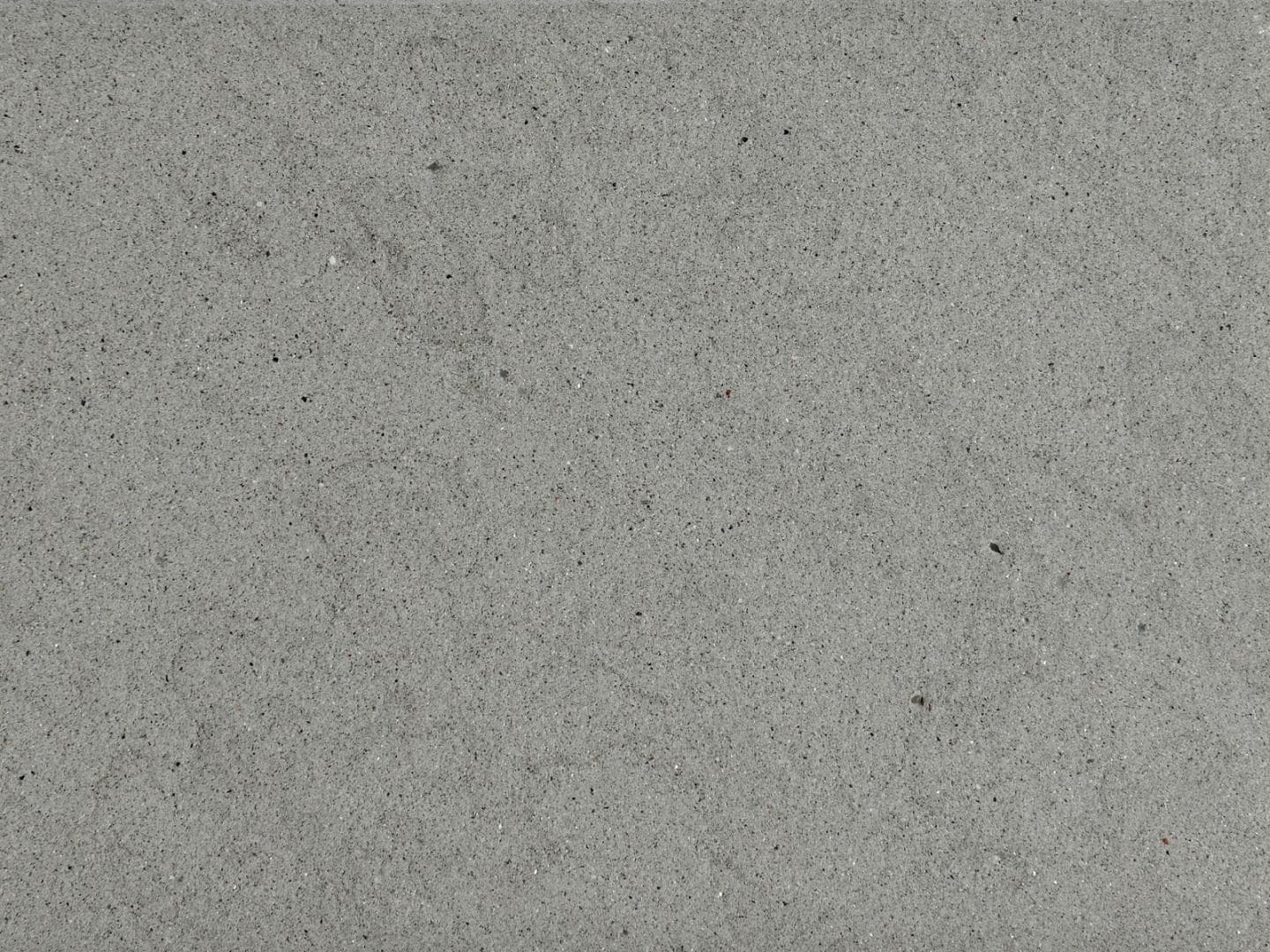
Sandstone, such as Pietra Serena or Mars Grey. Silica-based and non-etching, but porous, so sealing protects against staining.
Often need little or no sealing:
The point is that "natural stone" is not one material. A dense selection and a porous one from the same broad family can have very different sealing needs, which is why you test rather than assume.
The water-drop test
Do not seal on a schedule you read somewhere. Seal when the stone tells you to. The water-drop test is the whole diagnosis, and it takes a few minutes.
On a clean, dry surface, place a few drops of water and start timing.
Darkens within a couple of minutes: the stone is absorbing readily and wants sealing.
Darkens slowly, over ten to fifteen minutes: lightly absorbent; sealing helps but is less urgent.
No darkening after fifteen minutes or so: the stone is absorbing little; sealing adds little.
Run the same test before every resealing decision. When a previously sealed stone starts darkening faster than it used to, the sealer is wearing and it is time to reapply. This single test replaces every rule of thumb.
How often to reseal
Because it depends on porosity and use, there is no universal figure, only the test. As a rough orientation:
Porous limestone and marble in active use: often about once a year.
Denser stones: every two to three years.
Constant-water areas such as showers and pool surrounds: more frequently in the first year, then as the test dictates.
Traffic and exposure accelerate wear, so a busy commercial floor reseals more often than a lightly used residential one of the same stone. Let the water-drop test be the trigger and you will never over- or under-do it.
How to seal, in practice
The process is straightforward.
Clean and dry the stone completely. Seal only a clean, dry surface; sealing over dirt locks it in.
Choose a penetrating (impregnating) sealer suited to the stone and finish. Avoid topical coating sealers on most natural stone floors; they sit on top, can look plastic, and wear unevenly.
Test first on an offcut or an inconspicuous area to confirm the look is unchanged.
Apply evenly per the manufacturer's instructions, let it dwell as directed so it penetrates, then wipe away all excess before it dries on the surface.
Let it cure for the stated time before returning the surface to use.
Textured and honed surfaces take sealer differently, and porous stones may want a second coat. Follow the product's coverage figures rather than guessing.
The honest summary
Sealing natural stone is quick, occasional, and worth doing on porous stones, and it is not the burden its reputation suggests. It slows staining by slowing absorption; it does not stop etching, which is a separate acid problem solved by care and honed finishes. Let the water-drop test tell you whether and when to seal, use a penetrating sealer, and keep sealing and etching clearly separated in your thinking. Do that, and the maintenance of even a porous limestone is entirely manageable.
Sealing is one half of stone care; cleaning is the other, and we cover it in our guide to cleaning natural stone.
If you are specifying stone and want to know honestly how much maintenance a given material will ask for, start a project brief and we will match the stone and finish to how the space will be used. Or request samples and run the water-drop test on the real material before you decide.