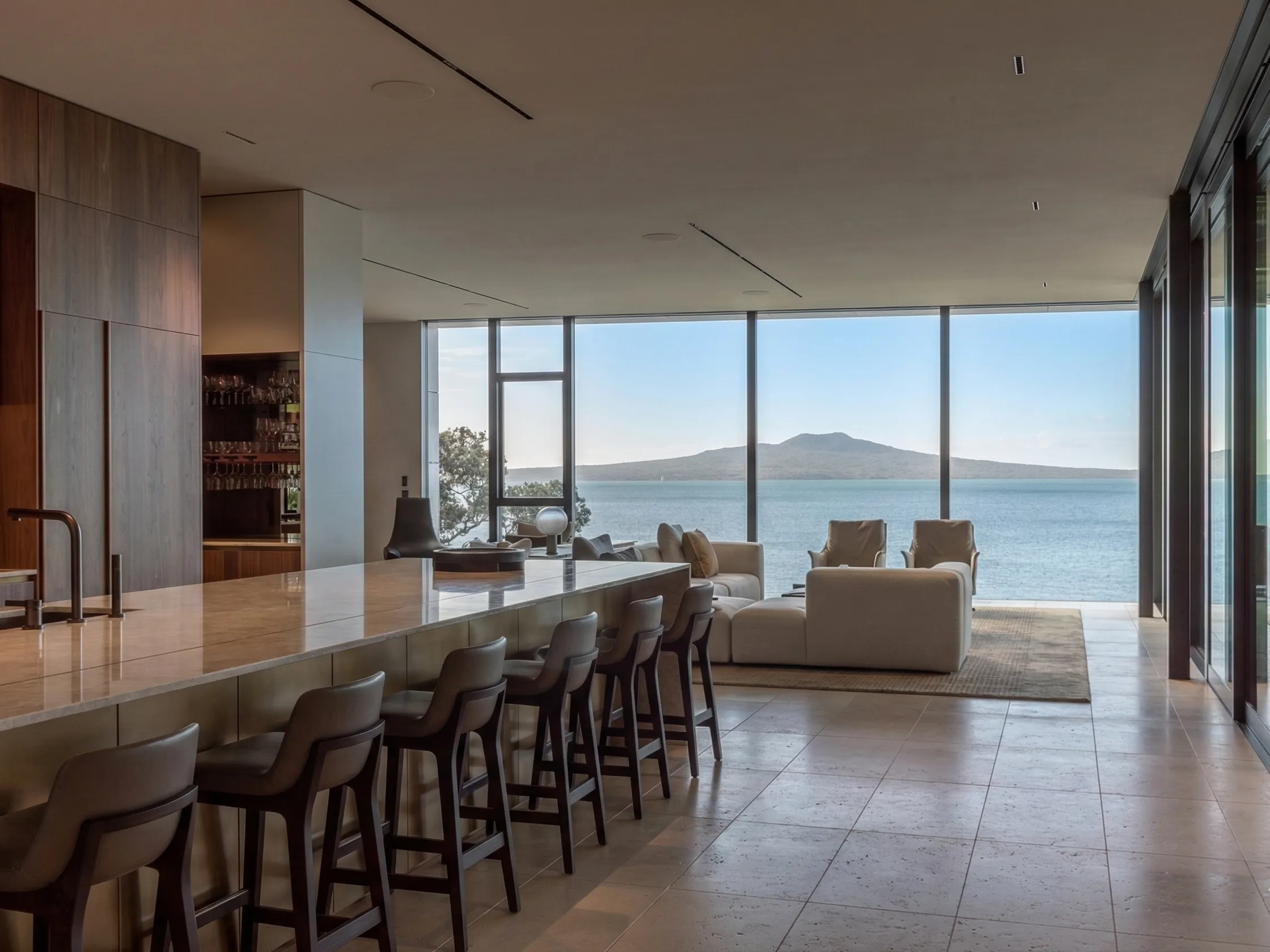
A spa floor has a contradiction built into its brief. It has to feel serene, natural, and barefoot-comfortable, and it has to be safe when wet, warm, and slippery-footed people walk on it. Get the specification right and stone delivers both: the calm, tactile luxury a spa is selling, and the grip that keeps people upright. Get it wrong, usually by choosing the finish for looks and forgetting the water, and you have a beautiful floor that is a genuine hazard.
We source stone for wet and spa environments, so this is written for the person specifying the floor. The good news: slip-safe stone in a wet area is a solved problem. It comes down to one lever you fully control, plus a sensible sealing and maintenance regime.
The one lever that matters: finish
Here is the single most important thing to understand. In a wet area, slip resistance is a finish decision, not a stone-type decision. The same stone can be lethal or perfectly safe underfoot depending only on how the surface is worked.
A smooth surface, whether polished or honed, offers little grip when a film of water sits on it. A textured surface, where the finish has opened the face into peaks and hollows, gives feet something to key into even when wet. So the first move in any wet area is to specify a textured finish, and only then choose the stone.
This is liberating, because it means you can have almost any stone you love in a wet room, provided you finish it correctly. The mistake is falling for a polished sample in a showroom and specifying it for a shower floor.
Matching finish to the wetness of the zone
Not all wet areas are equally wet, and the finish should track the risk.
Lightly wet interior floors (spa circulation, changing areas, bathroom floors away from the shower): a brushed finish is the sweet spot. It grips underfoot while staying comfortable, refined, and warm to the touch, which matters for barefoot spaces.
Genuinely wet interior zones (wet rooms, shower floors, steam rooms): brushed as a minimum, moving toward bush-hammered where the risk is higher. Textured enough to grip a soapy, wet foot.
Heavy-duty external wet zones (pool surrounds, ramps, external steps): bush-hammered or flamed for maximum grip. These are aggressive textures, but that is the point where a slip means a serious fall.
For the full picture on how these finishes differ and behave, see our honed vs flamed vs brushed guide. The principle throughout: the wetter and more exposed the zone, the more texture you specify.
Slip ratings and thresholds
For a commercial spa or a project with a slip-safety requirement, do not rely on judgement alone. Specify a finish that meets your project's required slip rating in the wet, and verify it, because ratings are measured wet for exactly these conditions. Pay particular attention to the danger points: thresholds where a wet foot meets a dry floor, transitions between zones, ramps, and the first step out of a pool or shower. These are where falls happen, and where a slightly more textured finish is worth the small loss of smoothness.
The stones we would put in a wet area
With finish handled, choose a dense, low-absorption stone that suits the mood. For spas, that usually means warm, calm, tactile stone.
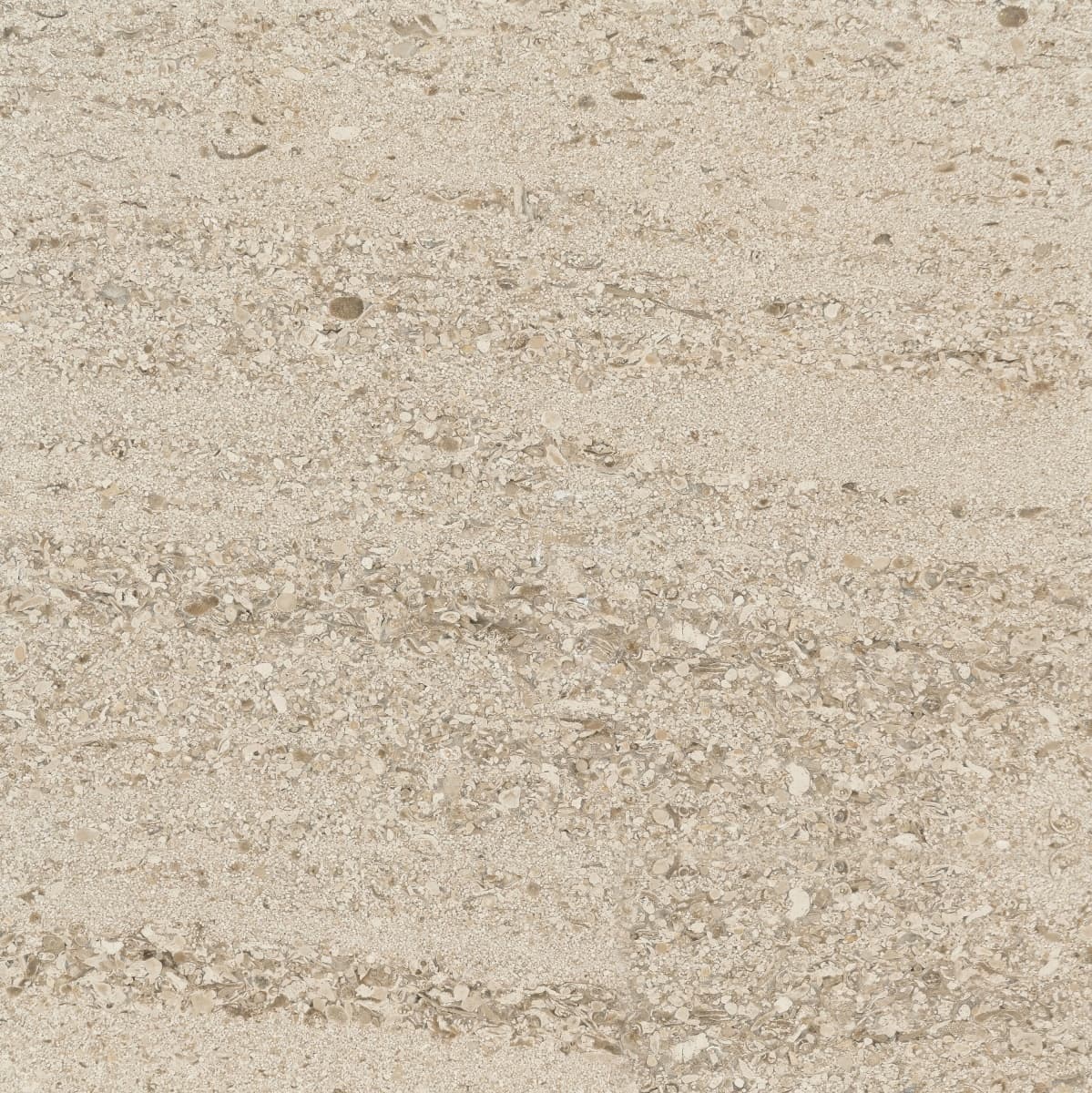
Moca Creme is a warm, dense Portuguese limestone that reads sunlit and serene, ideal for a spa floor in a brushed finish.
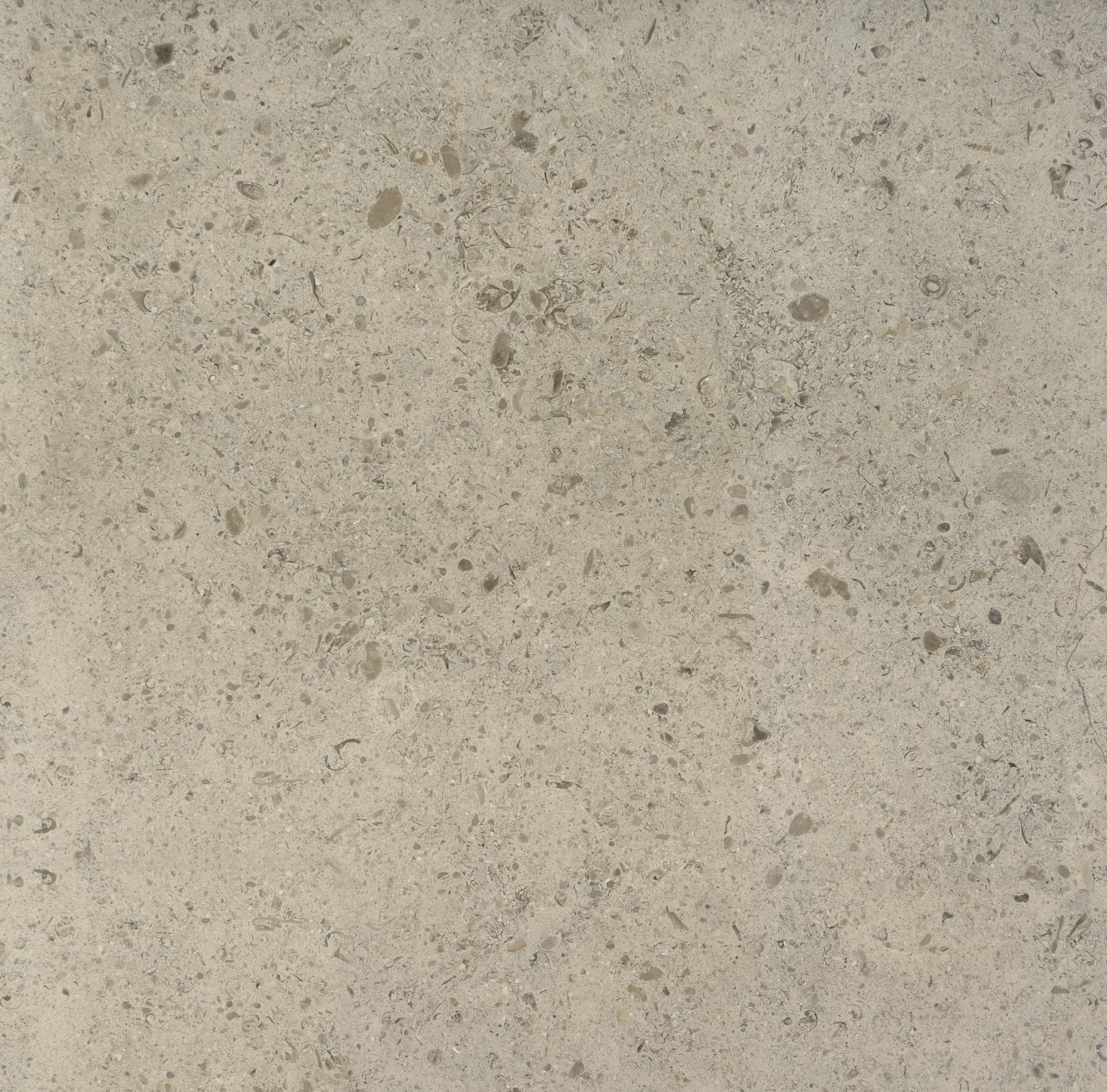
Crema Fiorito Oro brings a soft, golden veining and warmth that suits the flattering, restful light a spa wants, while its flowing pattern hides water marks.
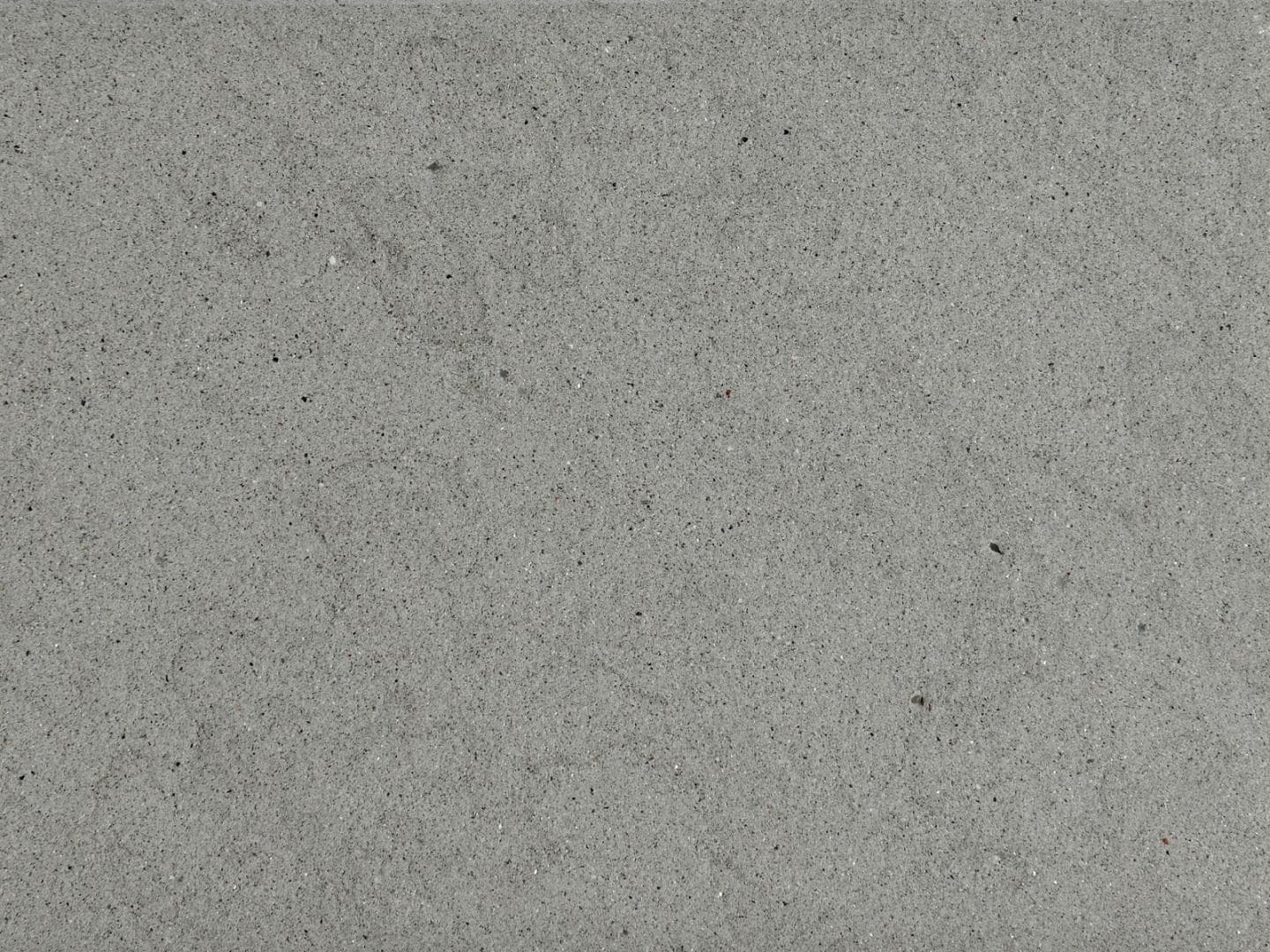
Pietra Serena gives a grounded, grey-blue, textured sandstone character, brushed for grip, for a calmer, more architectural spa palette.
Grolla Rosato carries a gentle pink warmth that flatters a wet room and reads soft and welcoming.
All of these are dense, low-absorption stones that seal well and behave in wet conditions, and all take a brushed finish that grips. The choice among them is about the warmth and character you want the space to have.
Sealing and maintenance for wet zones
A wet-area floor is a system, and sealing plus maintenance are part of the specification, not an afterthought.
Seal it. A breathable impregnating sealer at installation reduces water uptake and staining from body oils, soaps, and minerals, with a defined re-seal interval. Use a penetrating sealer that lets the stone breathe, never a film-forming topical one, which can trap moisture and go slippery.
Clean it correctly. Most of these stones are calcite-based limestones, which etch with acids. Specify pH-neutral cleaners and train the operator, because acidic descalers and many bathroom cleaners will dull the surface over time.
Detail for drainage. The stone should never sit in standing water. Falls to drains and sound waterproofing behind the stone matter as much as the stone itself, both for slip safety and for the life of the floor.
Specified and looked after this way, a stone wet-area floor ages gracefully and stays safe for years.
The common mistakes
Three errors account for most wet-area stone failures:
Specifying from a polished sample. The showroom slab is polished because it looks best there. Always sample and specify in the textured finish you will actually build, and view it wet.
Forgetting the thresholds. The floor field is safe but the transition to the shower or the top step is not. Carry the grip through the danger points.
Wrong sealer or wrong cleaner. A topical sealer or acidic cleaning undoes a good specification. Write the maintenance regime into the spec.
None of these are hard to avoid. They just require treating slip resistance as a design decision from the start.
Getting a wet-area spec and samples
The workflow: define each zone and how wet it gets, set the finish to match the risk, choose a dense stone for the mood, then sample in the actual textured finish and, ideally, feel it wet underfoot. For a spa, where barefoot comfort and safety both matter, specify from stone in hand.
If you are specifying a spa, wet room, or pool surround, start a project brief and we will return a shortlist of dense stones in the right finishes for each zone, with honest guidance on slip resistance and maintenance. Or request samples of the stones above in a brushed finish and feel them for yourself.