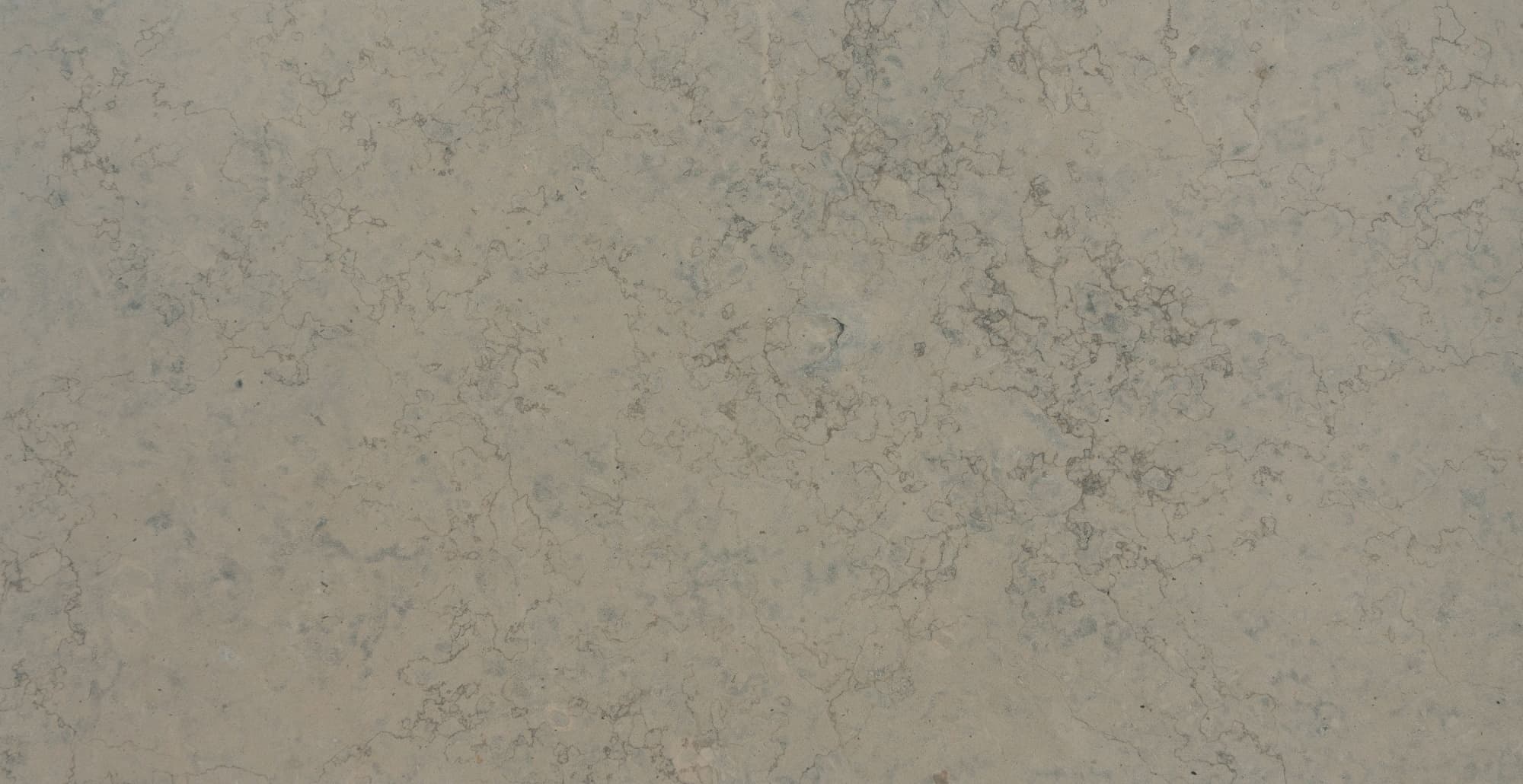
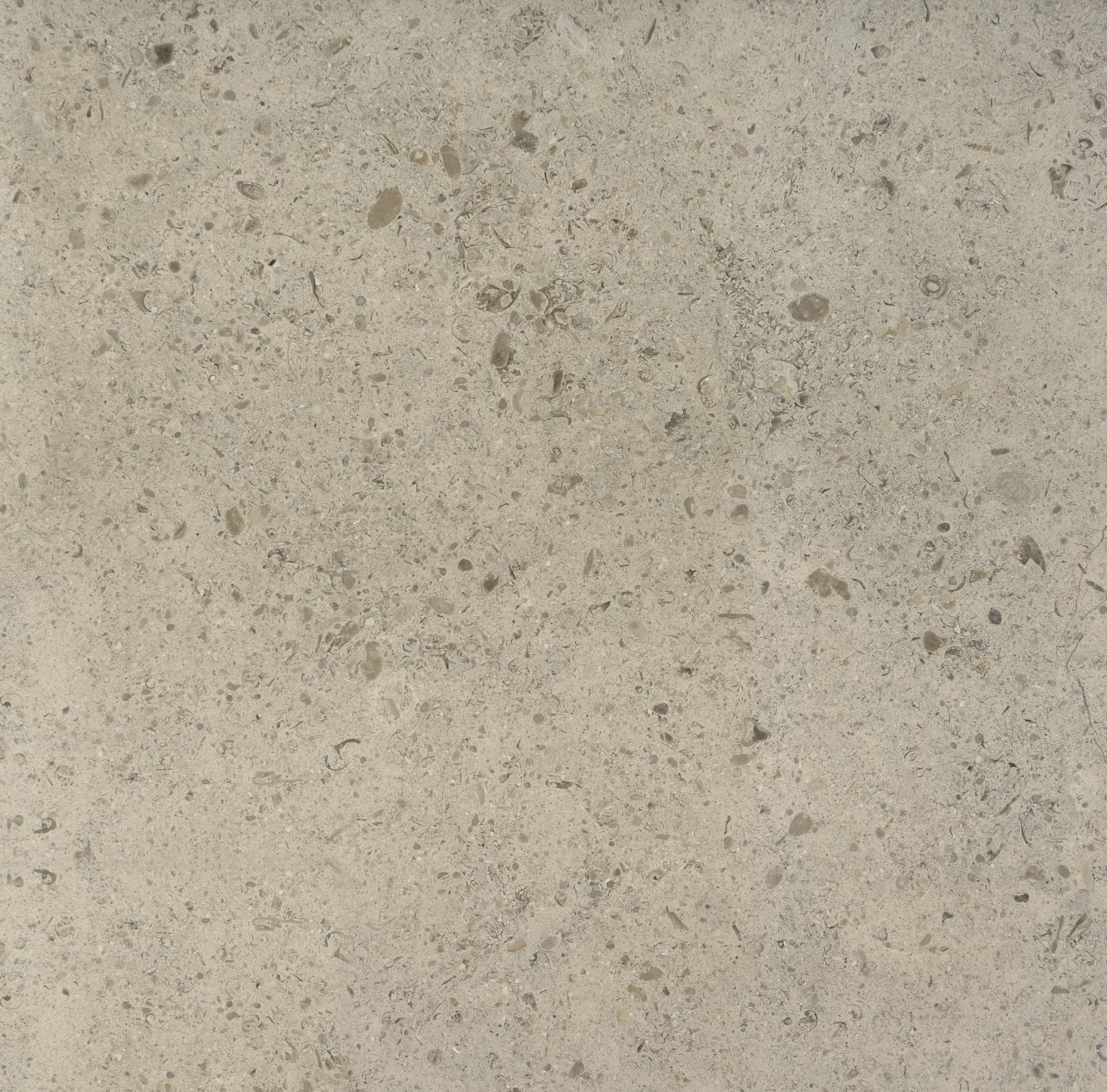
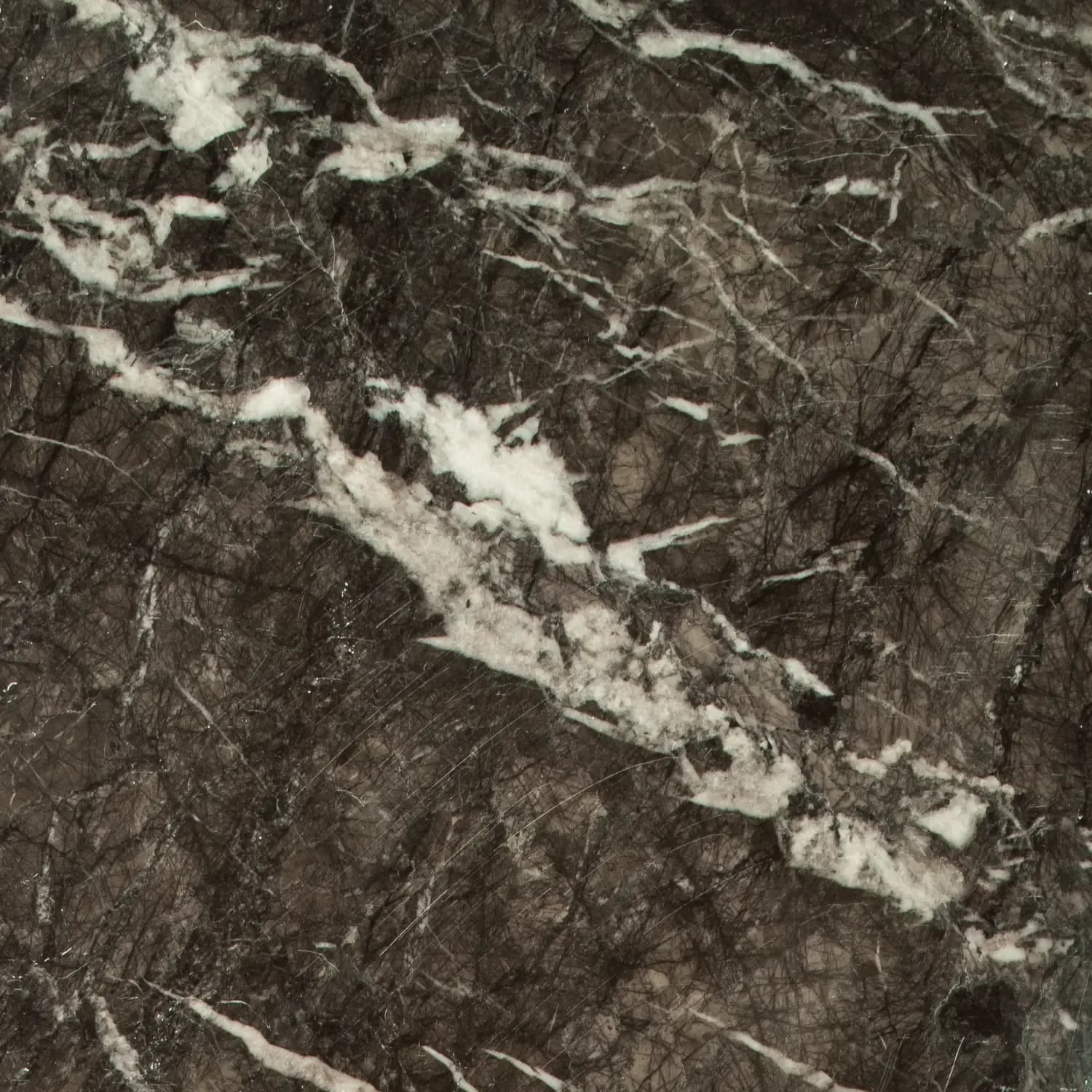
Portugal's limestone massif north of Lisbon is one of the great stone regions of the world, and it does not only produce calm, even stones like Moleanos and Moca Creme. Ataija Azul is its more characterful child: a cool blue-grey limestone that wears its geology openly, with visible fossils and shell fragments giving the face genuine movement and interest. It is the stone for architects who want a limestone that reads as a natural material, not a neutral backdrop.
We publish Ataija Azul and source it at the block, so here is the specifier's guide: what it is, the honest technical picture, the finishes that suit it, and where it belongs, including how it differs from its more famous neighbour Moleanos.
What Ataija Azul is
Ataija Azul is a limestone quarried in the Ataija area of central Portugal, within the Maciço Calcário Estremenho, the same limestone massif that gives us Moleanos and Moca Creme. It is a dense, compact bioclastic limestone, built from shell and fossil fragments cemented into a hard stone, and that origin is written all over its surface.
The colour is a cool blue-grey, calm but not neutral, and the defining feature is the visible fossil and shell detail scattered across the face. Where Moleanos is quiet, Ataija speaks; it has movement and natural character that make it read unmistakably as stone from the earth rather than an even manufactured surface.
Character and why it appeals
The appeal of Ataija Azul is precisely that character. For a project that wants a limestone with recognisable natural interest, the fossil detail and blue-grey movement give a floor or wall genuine life. It photographs beautifully, it rewards close viewing, and it lends a space an honest, geological quality that plainer stones cannot.
That same character has a practical benefit: the movement and detail hide foot-borne dirt and minor wear far better than a pale, even limestone, which is a real advantage in commercial and high-traffic interiors.
Technical properties
Ataija Azul is a dense, capable limestone, though the specific selection governs the exact numbers as always.
Density and hardness. A dense, medium-hard limestone, rated for interior floors and cladding and capable of exterior work. Being calcite-based, it etches with acid and scratches under abuse.
Water absorption. Low for a limestone, supporting exterior use with the right detailing; a cold-climate facade wants the specific block's absorption and freeze-thaw figures.
Character variation. The fossil detail varies across the bed, so the intensity of the pattern is part of what you are selecting. Sample the actual material to get the character you want.
Reserve from a known bed and specify to tested numbers. With a characterful stone like this, bed selection also drives the look, not just the performance.
Finishes and where they belong
Honed is the interior default, giving a smooth, even face that shows the blue-grey and the fossil detail cleanly on floors and cladding. It wears gracefully with no polish to abrade.
Brushed and bush-hammered add grip and emphasise the tactile, fossil-rich surface for exterior paving, wet areas, and facades.
Sawn and sandblasted give understated surfaces for civic and traditional work.
Polished deepens the blue-grey and sharpens the fossil contrast but is best kept to low-traffic vertical features; on floors, honed is the durable choice.
Where Ataija Azul belongs
Indoors, Ataija Azul makes a characterful, hard-wearing floor and a striking feature wall, particularly where you want cool blue-grey with genuine natural interest. It suits hospitality, retail, and high-end residential, and its dirt tolerance recommends it for commercial floors. It sits well alongside calmer stones, letting Ataija provide the character while a quieter limestone or marble grounds the scheme.
Outdoors, its density supports ventilated cladding and paving in temperate climates. Apply the exterior-limestone discipline for exposed and cold conditions: dense selection, block-specific data, sealing, and drainage detailing. Our exterior cladding guide covers that framework, and Ataija Azul features there as a characterful exterior option.
Ataija Azul vs Moleanos Azul
The two blue-grey Portuguese limestones from the same massif are the obvious comparison, and the distinction is about character.
Ataija Azul is the characterful one: more visible fossil and shell detail, more movement, more natural interest. Moleanos Azul is the calm one: finer, more uniform, quieter, more contemporary. Choose Ataija when you want the stone to have presence and geological character; choose Moleanos when you want an even, restrained blue-grey field. Both are dense and durable, so this is a look decision, not a performance one. We publish both, and our Moleanos guide covers the calmer stone in full.
Sampling Ataija Azul
Because the fossil character varies across the bed and reads so differently in the flesh than in a photo, Ataija Azul is a stone to specify from physical samples in your intended finish, ideally from reserved material so the character matches what you build. View samples in the actual light of the space; the blue-grey shifts noticeably between cool daylight and warm interior light.
If you are specifying Ataija Azul, or weighing it against Moleanos, start a project brief and we will source the right selection and finish for your application, with honest guidance on where each belongs. Or request samples of both blue-grey limestones and choose the character you want.