Most stone selection goes wrong at the first fork. Someone falls for a slab, specifies it everywhere, and discovers too late that the beautiful marble they put on an entrance floor etches under the first spilled coffee, or the soft sandstone they chose for a shower drinks water and stains. The stone was not wrong. It was in the wrong place.
The three great families of building stone, limestone, marble, and sandstone, each have a temperament. Understand how they actually behave and you can match stone type to application with confidence, instead of choosing on looks and hoping. We source all three, so this is the working guide: what each one is, how it behaves, and where each belongs.
The three families, honestly
Start with what these stones actually are, because the geology drives the behaviour.
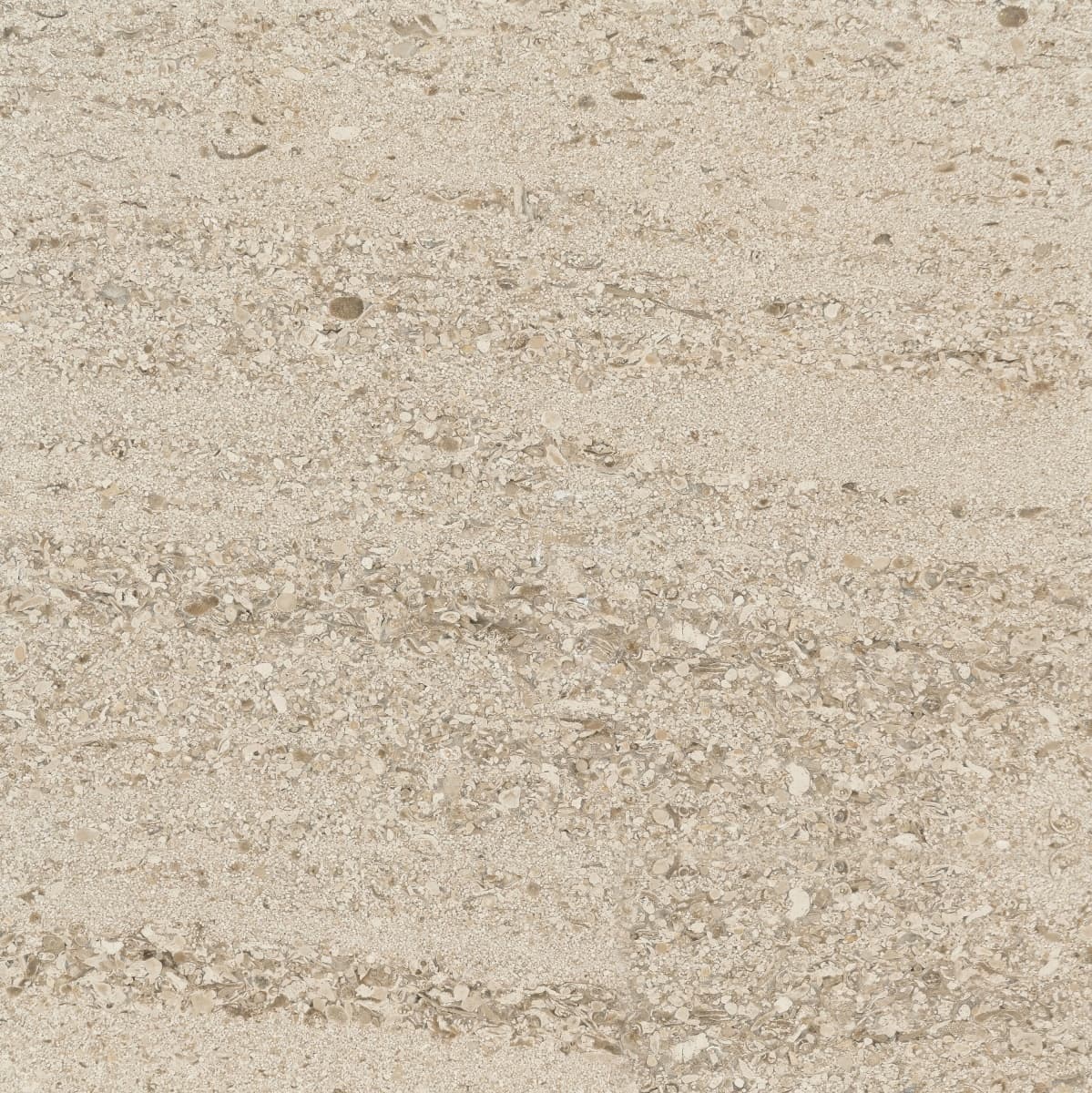
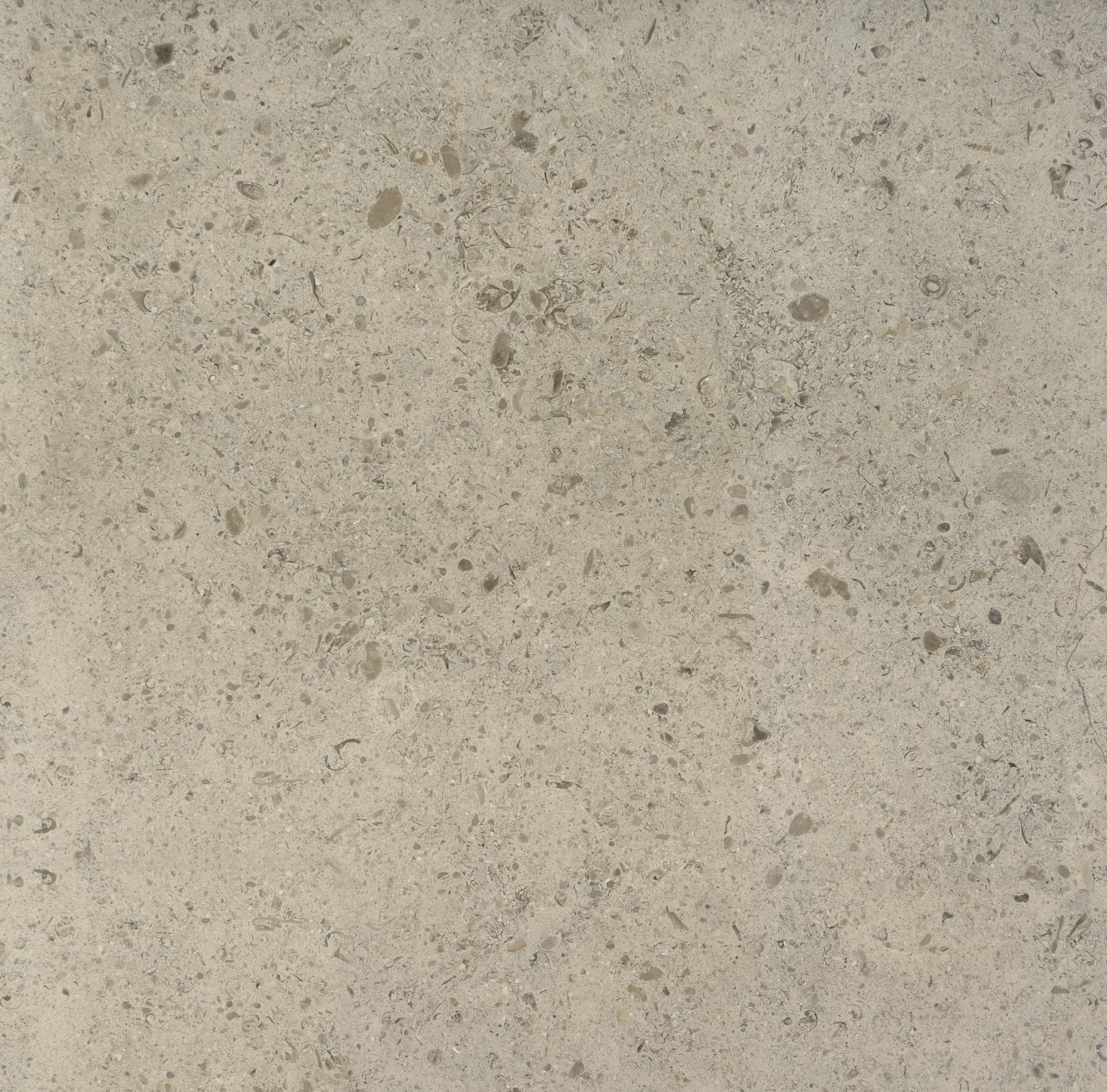
Limestone is a sedimentary rock, formed from compressed marine sediment, mostly calcium carbonate. It ranges from soft and chalky to dense and hard. The dense ones are superb building stones: even, calm, workable, and durable. Being calcite-based, limestone etches with acid and is absorbent, so it wants sealing.
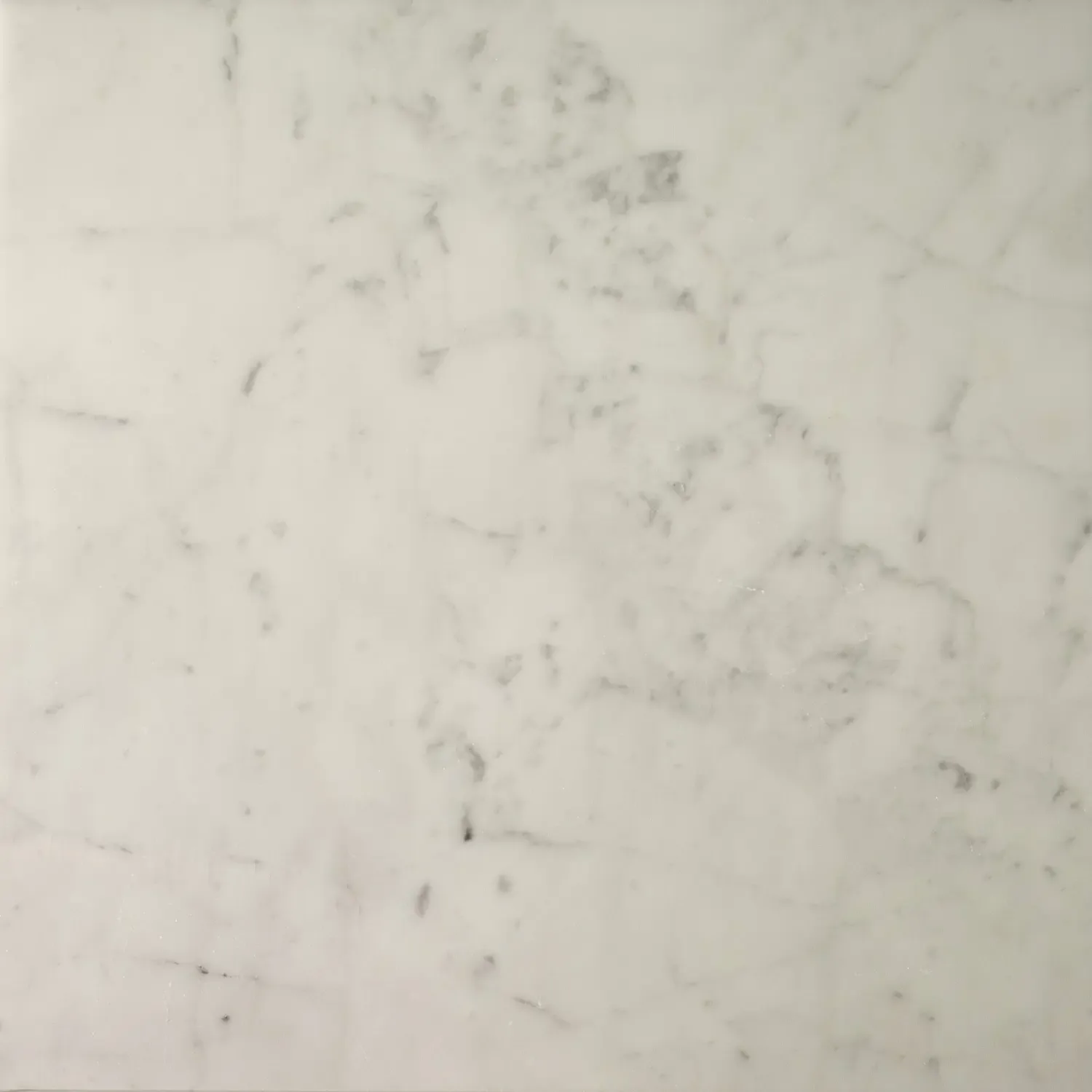
Marble is limestone that went through metamorphism. Heat and pressure recrystallised the calcite into a harder, denser stone that can take a polish and often carries dramatic veining. It is still calcite, so it still etches, but it is generally harder than limestone and reads more luxurious. The trade-off for that drama is that etching and scratching show more on a polished marble face.
Sandstone is also sedimentary, but built from compressed sand grains, mostly quartz, bound together. That quartz content makes many sandstones hard, grippy, and weather-resistant, which is why they have paved courtyards and clad buildings for centuries. Sandstones vary enormously in density, so the specific stone matters.
The properties that actually decide
Forget the family names for a moment. Four measured properties decide whether a stone survives an application. Reserve from a known bed and specify to tested numbers for the block you are actually buying.
Water absorption. How much water the stone drinks. Low absorption means better stain resistance and, critically, better freeze-thaw survival outdoors. This is the number that governs exterior use in a cold climate.
Flexural and compressive strength. How much load and bending the stone takes. It governs whether a thin cladding panel or an unsupported tread will crack.
Hardness and abrasion resistance. How well the surface resists scratching and foot-traffic wear. It governs floor longevity.
Calcite content. Whether the stone etches with acid. Both limestone and marble are calcite-based and etch; most sandstones are silica-based and do not. This governs kitchen, bathroom, and cleaning-regime decisions.
A dense limestone and a hard sandstone can both outperform a soft version of the other. The category tells you the temperament; the test data tells you the truth.
Matching stone to application
Here is where it comes together. Take the common applications and match them to the family that suits, with the honest caveats.
Interior floors
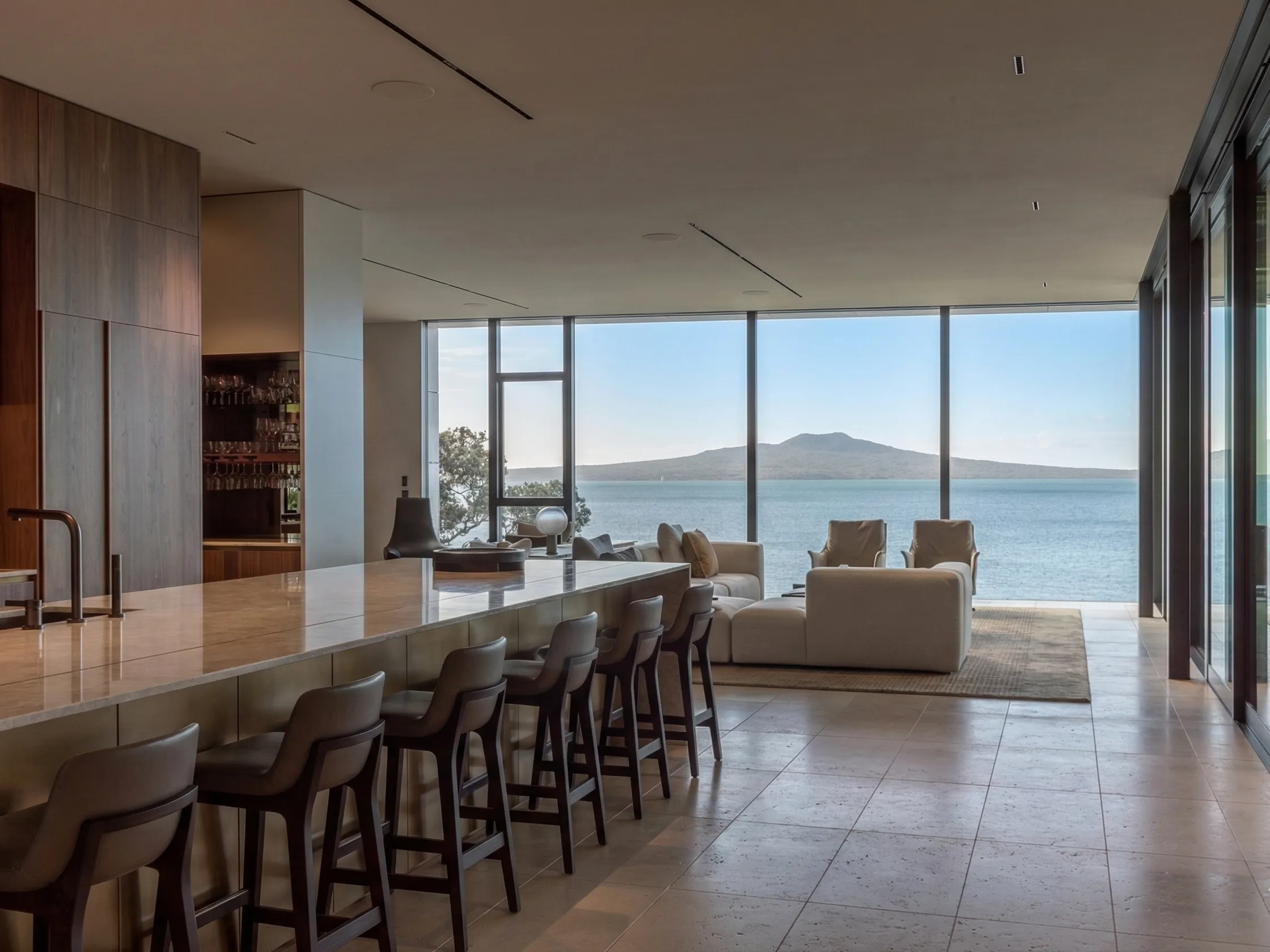
Any of the three can make a fine interior floor, specified correctly. The decisive move is finish, not family: specify honed rather than polished so traffic does not wear a shine into a dull walking path. A dense honed limestone is the calm, forgiving workhorse for large or busy floors. Honed marble gives more drama and veining for a feature floor, at the cost of showing etching more. A hard sandstone gives a warmer, more textured, more rustic floor. For the finish logic in full, see our honed vs flamed vs brushed guide, and for high-traffic interiors specifically, our hotel lobby flooring guide.
Kitchens and worktops
This is where calcite chemistry bites. Both limestone and marble etch when acid, lemon, wine, vinegar, lands on them, and no sealer stops it, because etching is a chemical reaction, not a stain. Specify them honed, which disguises etching far better than polished, accept that a used marble kitchen develops a patina, and commit to pH-neutral cleaning. If a client cannot tolerate any etching at all, a calcite stone is the wrong brief and you should say so early.
Bathrooms and wet areas
Water and bare feet change the priorities to grip and sealing. Slip resistance is a finish decision: specify a textured finish (brushed or bush-hammered) for wet floors, never polished. Dense limestones and hard sandstones both suit wet areas well; marble can work on walls and vanities where nobody slips. Seal everything and detail for drainage. Our spa and wet areas guide covers the full wet-area approach.
Exterior cladding, paving, and steps
Outdoors is where the families genuinely diverge. Marble is generally the wrong choice: acidic rain etches it and many marbles fail freeze-thaw. For exposed exterior work in a temperate or cold climate, specify a dense limestone or a hard sandstone, chosen on low water absorption and freeze-thaw data, in a textured finish, with proper drainage and fixing detail. This is a real limitation worth being honest about rather than discovering on site. Our exterior cladding guide sets out the framework.
Feature walls and vertical surfaces
Vertical surfaces are the forgiving application: nothing walks on them, little acid lands on them. This is where a dramatic polished marble earns its place, where a characterful sandstone gives texture, and where a calm limestone gives serene backdrop. Almost anything works on a wall. Spend the drama budget here.
A simple decision order
When you are choosing, work in this order rather than starting from a slab you love.
Define the application honestly. Interior or exterior? Floor or wall? Wet or dry? High traffic or low? Will acid land on it?
Let that set the non-negotiables. Exterior in a cold climate sets low absorption and freeze-thaw. A busy floor sets honed and hard. A kitchen sets the etching conversation.
Then choose the family and the stone for character, within what the application allows.
Reserve from a known bed and specify to tested numbers.
Match the finish to the application, because finish decides grip, wear, and how etching reads.
Choose in that order and you rarely go wrong. Start from the slab and work backwards and you often do.
The honest summary
Limestone is the versatile, calm workhorse: superb for interior floors and walls, capable outdoors when dense, wants sealing and pH-neutral care. Marble is the drama: luxurious and veined, best on interior features and honed floors, etches readily, generally not for exposed exterior. Sandstone is the grippy weatherer: warm and textured, traditional and excellent for exterior paving and cladding when hard and dense, variable so check the numbers.
None is better than the others. Each is better for something. The skill is matching temperament to task.
If you are weighing stone types for a project, start a project brief and we will recommend specific stones by application, with honest technical guidance on where each belongs and where it does not. Or request samples of limestone, marble, and sandstone in your intended finishes and feel the difference in the flesh.