Moca Creme is the limestone you have already seen a thousand times without knowing its name. It clads facades across the Gulf, paves plazas across Europe, and lines lobbies from Lisbon to Singapore. It is Portugal's most-specified limestone, and for good reason: a warm, even beige, genuinely durable, available in volume, and priced sensibly for the quality.
But there is a fork in the road that trips up specifiers, and almost nobody explains it clearly. Moca Creme comes in two faces, Classic and Sintra, and choosing the wrong one gives you a floor with the wrong character. We source Moca Creme at the block, so here is the honest guide: what separates the two, the real properties, the finishes, and where each belongs.
What Moca Creme actually is
Moca Creme is a beige to cream limestone quarried in the Maciço Calcário Estremenho, the limestone massif north of Lisbon that also gives us Moleanos and Ataija. It is a dense, compact, oolitic and bioclastic limestone, which is a technical way of saying it is built from tiny rounded grains and shell fragments cemented into a hard, even stone.
That density is the point. It is what lets Moca Creme perform as commercial flooring and exterior cladding where softer limestones would fail. The colour is a warm, sunlit beige that reads calm and expensive, and it holds tonal consistency well across large elevations, which is exactly what a facade needs.
Classic vs Sintra: the difference nobody explains
Here is the distinction that matters. Classic and Sintra are the same limestone, from the same region. What changes is the density and size of the shell and fossil markings on the cut face.
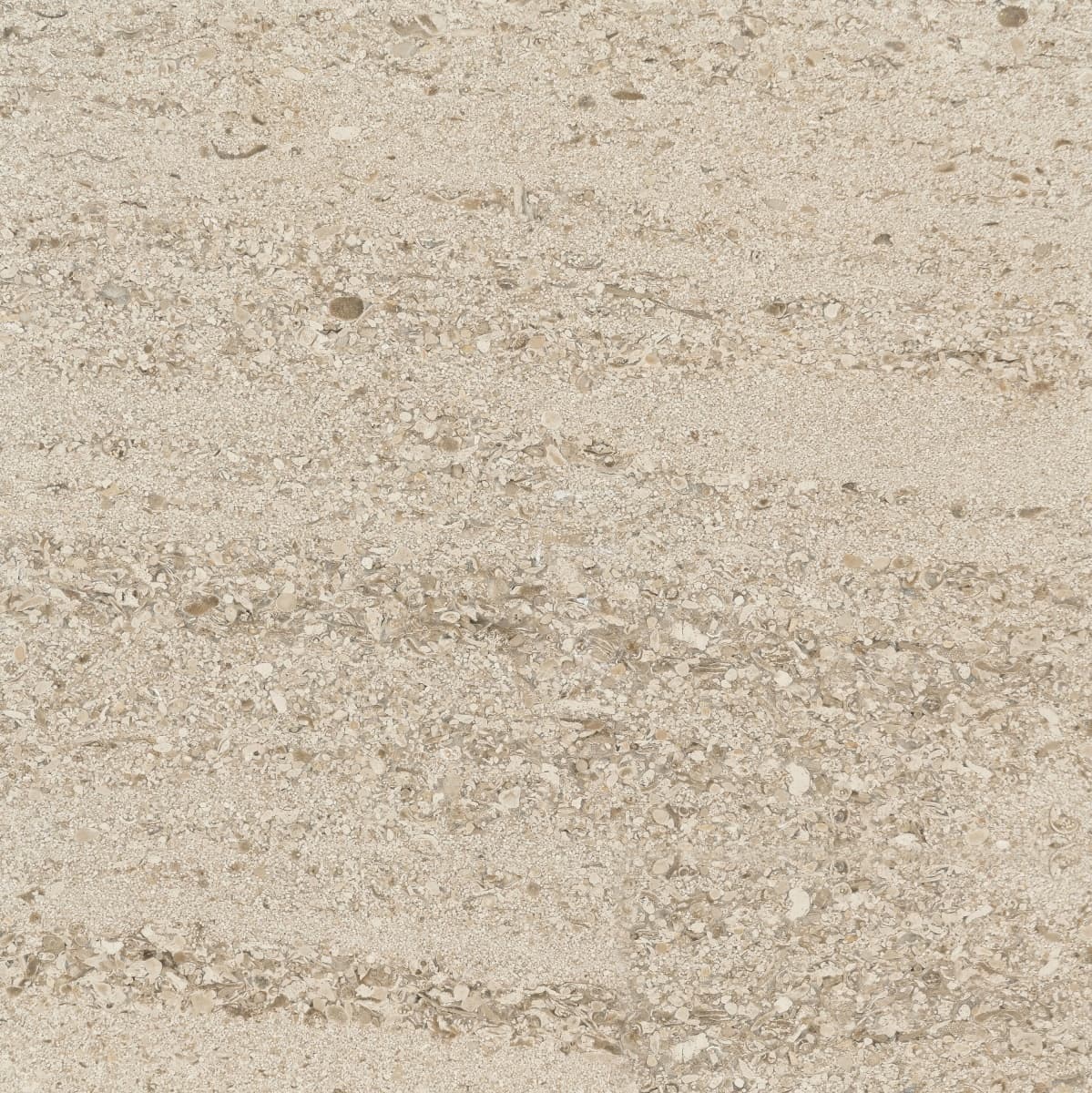
Moca Creme Classic (often sold as Moca Creme GM, from grão médio, medium grain) shows its shell fragments openly. The face is livelier, more textured, with visible fossil detail and a warm, characterful movement across it. If you want the limestone to read as a natural, hand-of-the-earth material, Classic gives you that.
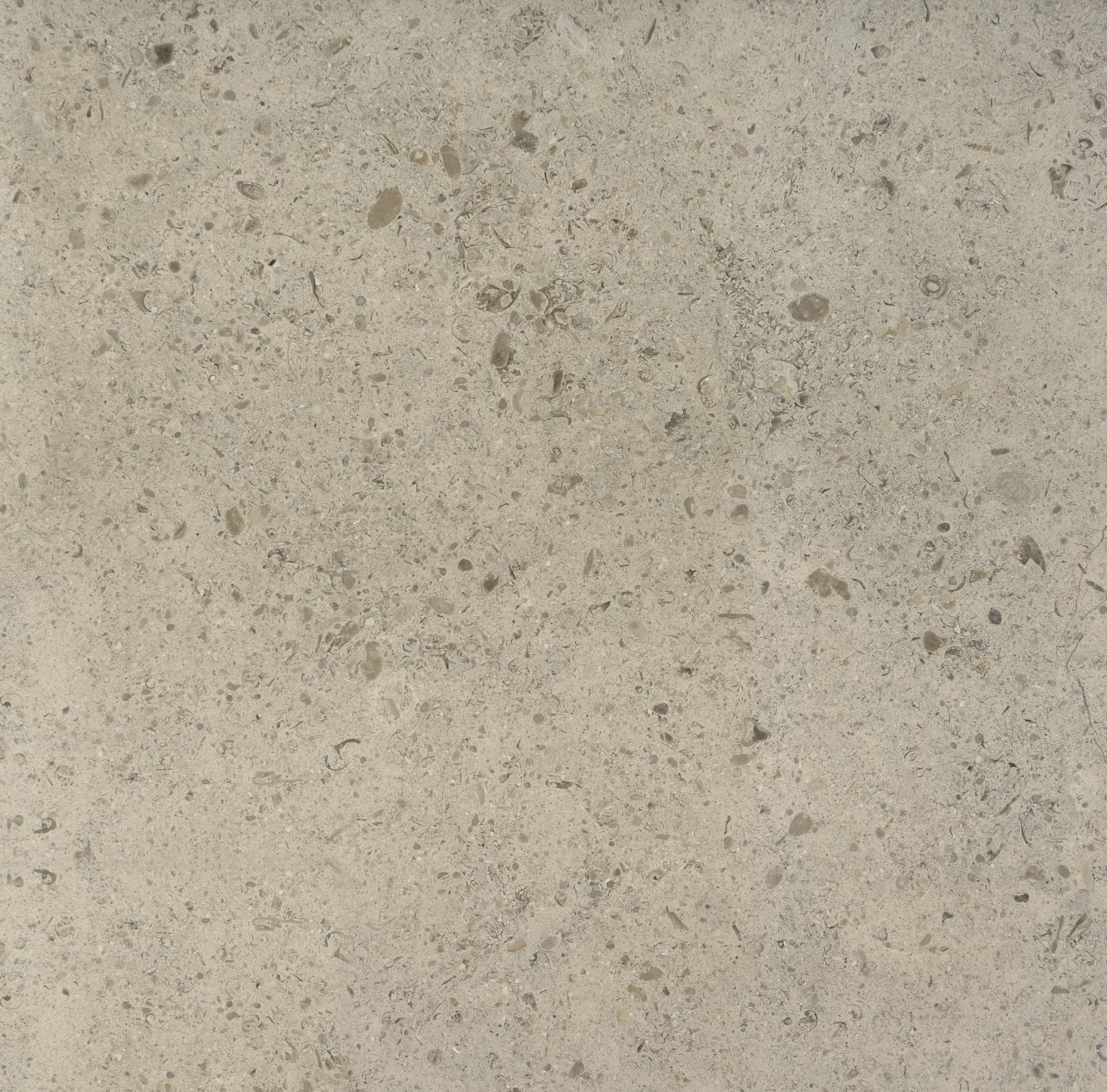
Moca Creme Sintra (sometimes Moca Creme fino, fine) is the calmer face. The markings are smaller and sparser, the field more uniform, the whole surface quieter and more contemporary. Where Classic murmurs, Sintra is nearly silent. For a minimal interior or a facade that wants to disappear into an even plane, Sintra is the one.
Technically the two are near-identical in hardness, density, and absorption. This is not a performance decision. It is purely aesthetic, and it should be made with samples in hand, because the difference is obvious in the flesh and easy to misjudge from a photo.
Technical properties, honestly
Moca Creme is a proven building limestone, and its numbers back that up, but as always the specific block matters more than the category average.
Density and hardness. It is a dense, medium-hard limestone, comfortably rated for commercial floors and ventilated facade cladding. It is not granite; it will scratch and etch under acid, being calcite-based.
Water absorption. Low for a limestone, which is what underpins its long exterior track record. For a cold-climate facade you still want the specific block's absorption and freeze-thaw figures, not a generic quarry number.
Flexural and compressive strength. Sound for cladding and paving in the usual thicknesses. For stone-on-a-facade you will size panels to the tested flexural strength of the actual material and the anchor design, which is a conversation to have early.
The move with Moca Creme, as with any natural stone specified at scale, is to reserve material from a known bed and get test data on that reservation. Category averages are for shortlisting, not for building.
Finishes and where they belong
Moca Creme is a matte, warm stone, and its finishes play to that.
Honed is the interior default: smooth, even, and it shows the beige at its best on floors and wall cladding. It wears gracefully because there is no polish to abrade away.
Brushed and bush-hammered add grip and a tactile surface for exterior paving, pool surrounds, wet rooms, and facades that want texture.
Sandblasted and sawn give an understated, civic character for traditional and heavy-duty work.
Polished is possible but off-brief for most projects. The whole appeal of Moca Creme is its calm warmth, so keep it honed or textured unless you have a specific reason.
Tie the finish to the job, not to a mood board. Honed for the lobby, brushed for the terrace, and the same stone reads correctly in both.
Where Moca Creme belongs
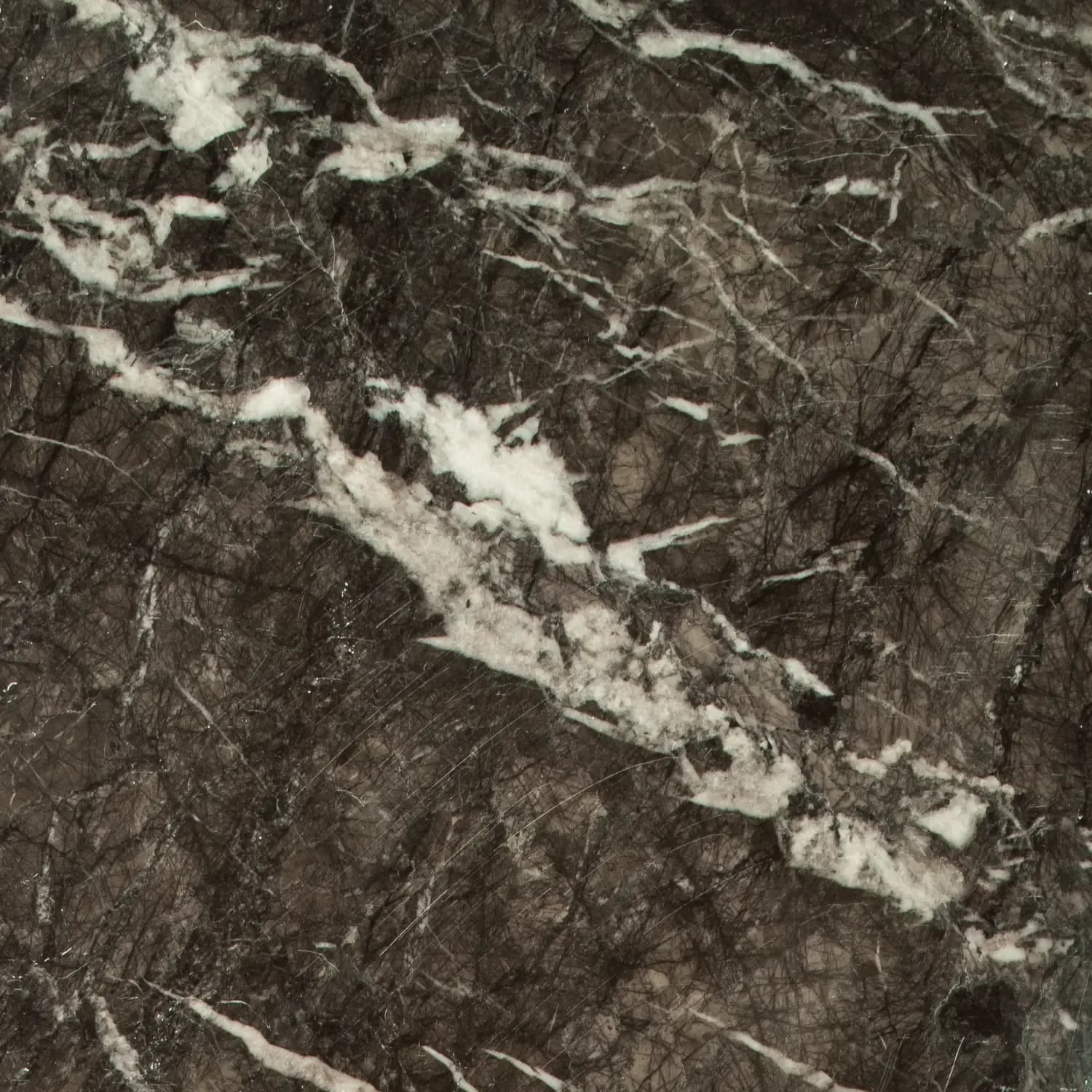
Indoors, Moca Creme is a superb floor and wall stone for hospitality, retail, and high-end residential: warm underfoot, even across a big field, and calm enough to sit under any palette. It is a natural companion to darker marbles and to timber.
Outdoors, it is one of the most reliable exterior limestones you can specify, which is why it dominates warm-climate cladding and paving. In temperate use it is excellent with sound detailing. For cold, wet, freeze-thaw climates, apply the exterior-limestone discipline: dense selection, block-specific test data, drainage and sealing. Our exterior cladding guide sets out that framework in full.
Moca Creme vs Moleanos
The two great Portuguese limestones from the same massif are constantly weighed against each other, and they genuinely do different jobs.
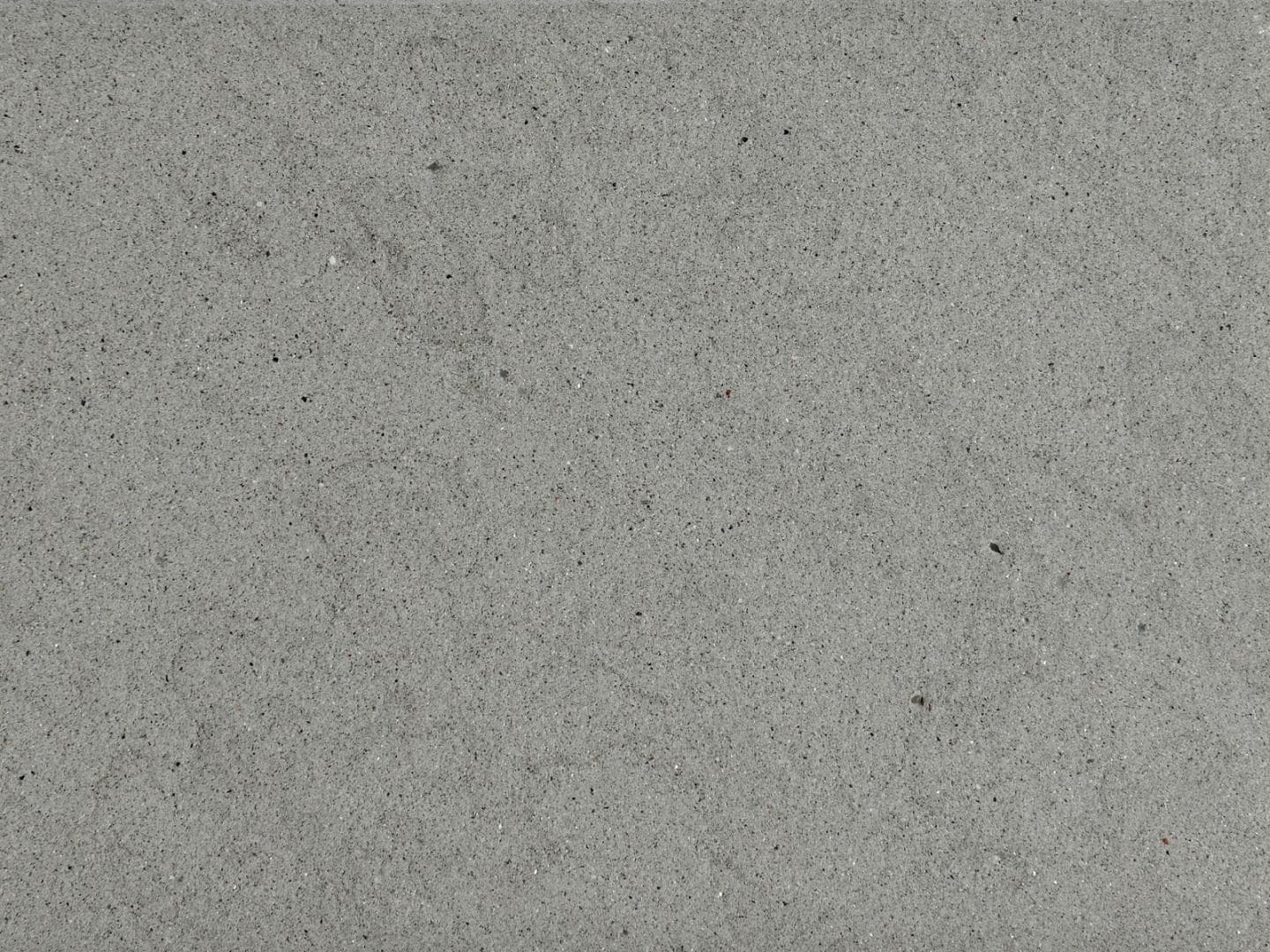
Moca Creme is warmer, beige, and shell-textured, the classic sunlit limestone. Moleanos Azul is cooler, denser, blue-grey, and even finer, a more contemporary and often tougher choice for commercial floors. If your palette is warm, reach for Moca Creme; if it is cool and modern, Moleanos. We publish both, so you can compare them properly.
For the deeper comparison, see our Moleanos specification guide.
Sampling Moca Creme
Because Classic and Sintra look so different in the flesh, and because bed selection drives both look and performance, Moca Creme is a stone to specify from physical samples, never a render. Get both faces at a decent size, in your intended finish, and view them in the actual light of the space; the beige shifts noticeably between warm interior light and cool north daylight.
If you are choosing between Classic and Sintra, or weighing Moca Creme against Moleanos, start a project brief and we will source the right face, bed, and finish for your application, with honest guidance on where each belongs. Or request samples of both faces and decide with the stone in your hands.