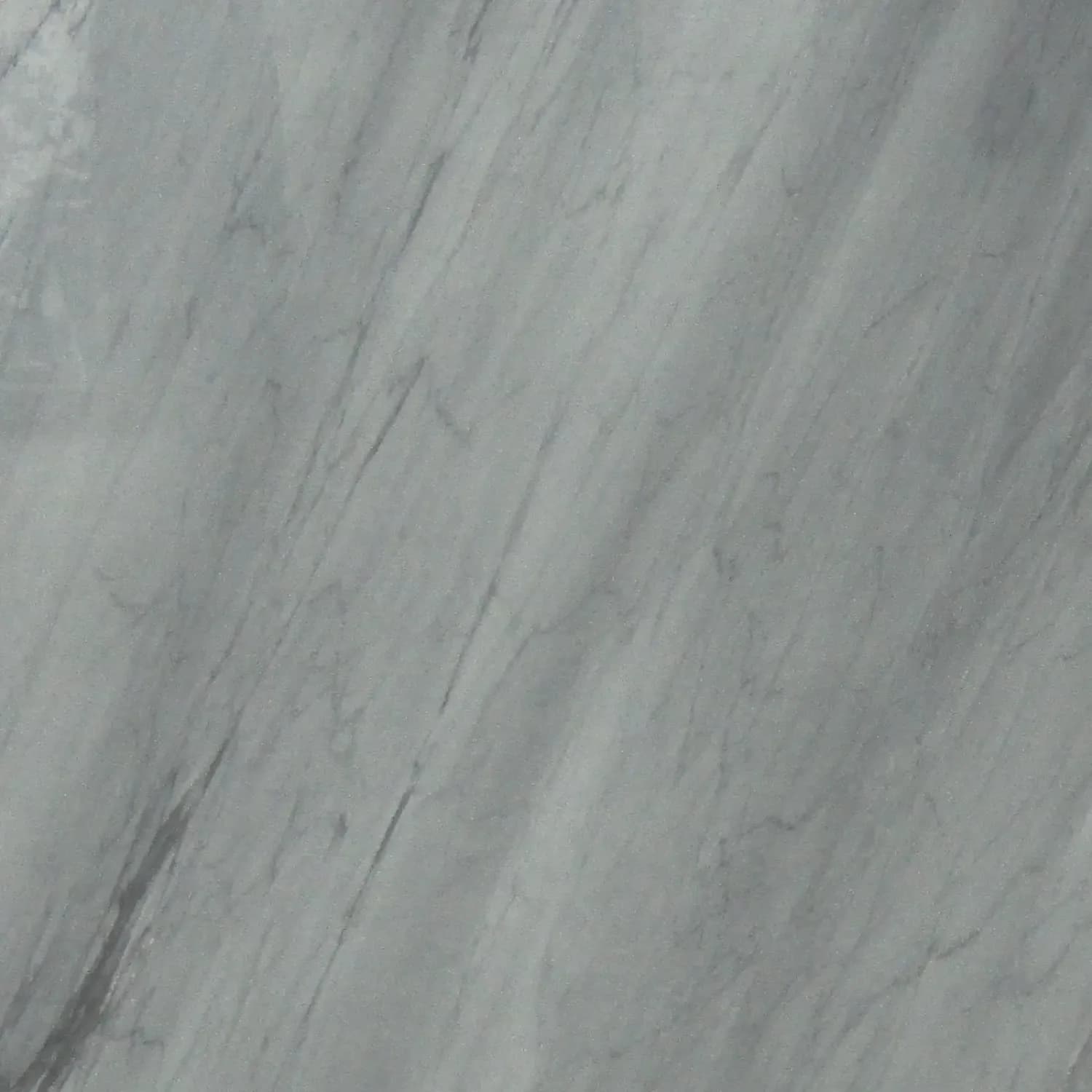
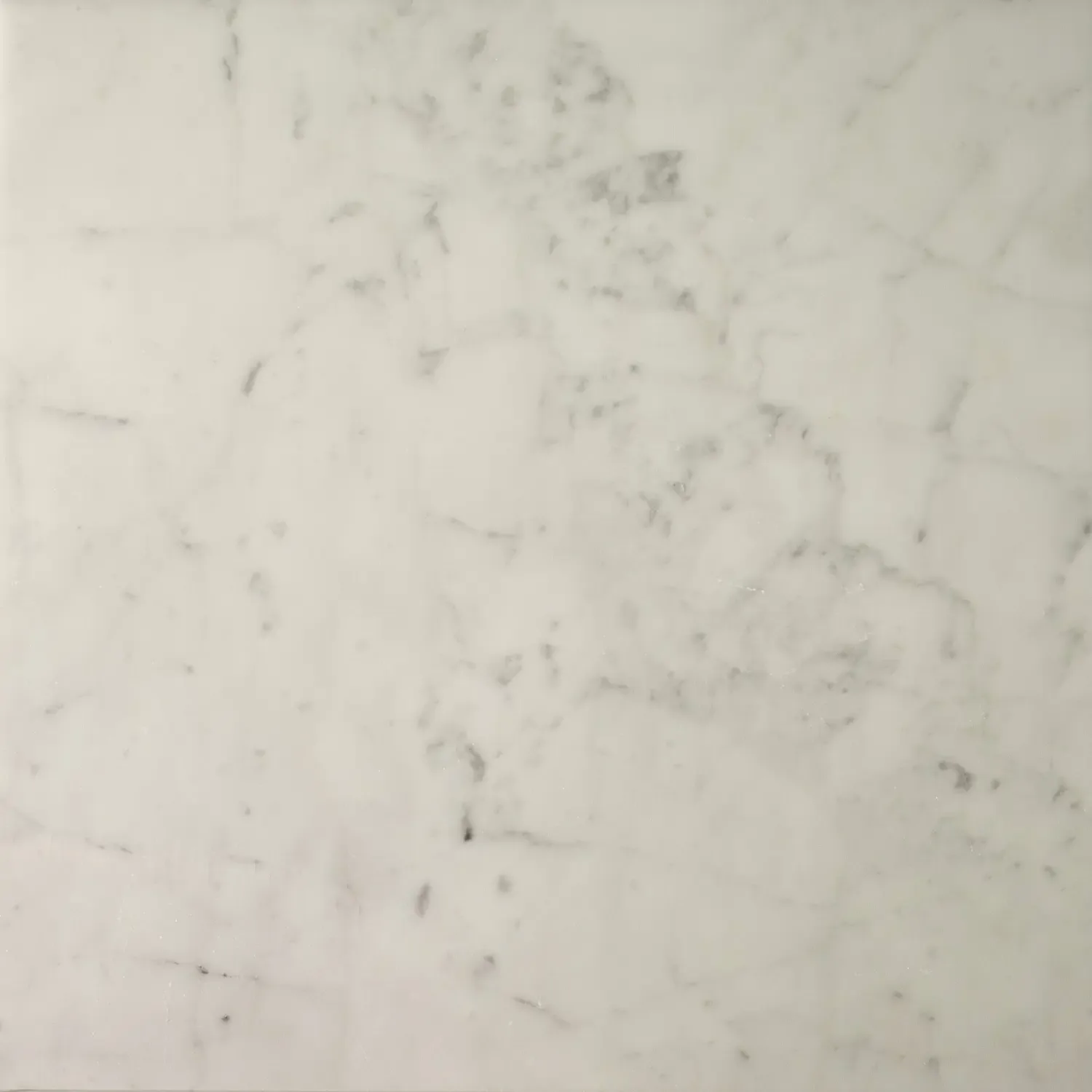
Two marbles come out of the same Italian mountains and, between them, cover most of what a classic marble scheme needs. Carrara White is the one everyone knows: soft, pale, feathery-veined, the marble of sculpture and light-filled interiors. Bardiglio Imperiale is its grey sibling: deeper, smokier, more restrained, the marble for when white would be too bright and a scheme wants sophistication instead. They are not rivals so much as a pair, and understanding how they differ, and how they go together, unlocks a whole language of elegant interiors.
We publish both and source them at the block, so here is the comparison: what each is, how they differ, where each belongs, and why they are so often specified together.
The same mountains, different tones
Both marbles come from the Carrara region of Tuscany, the most storied marble district in the world, and both are calcite marbles with the behaviour that implies. What separates them is colour.
Carrara White is the pale one: a soft white to light grey ground crossed by the familiar soft, feathery grey veining. It reads bright, timeless, and luminous, the marble that opens a space and floods it with light.
Bardiglio Imperiale is the grey one: a deep blue-grey to smoky ground with fine white and pale veining threading through it. It reads sophisticated, restrained, and quietly dramatic, the marble for when a scheme wants depth and coolness rather than brightness.
Same lineage, same veining language, opposite ends of the tonal scale. That relationship is the whole story, and it is why they pair so naturally.
Character and where each belongs
The tonal difference sends them to different roles.
Carrara White belongs where you want light, calm, and timeless elegance: bright bathrooms, luminous feature walls, honed floors in refined interiors, classic vanities. Its softness is its strength; it flatters and opens a space. Its weakness on floors is that being pale, it shows foot-borne dirt and etching more readily, which is why honed, not polished, is the sensible floor specification.
Bardiglio Imperiale belongs where you want sophistication and depth: grey feature walls, restrained contemporary bathrooms, elegant floors, vanity tops, and detailing that reads cooler and more current than white marble. Its grey ground has a genuine practical edge on floors: it hides dirt and marks far better than white, making it the more forgiving of the two underfoot.
Neither is more valuable than the other. They are answers to different moods: Carrara for brightness and timeless light, Bardiglio for coolness, depth, and sophistication.
The technical picture, shared
Because both are Carrara-region calcite marbles, they share the same honest technical caveats, and the specific block governs the exact numbers.
They etch. Acid, lemon, wine, vinegar, harsh cleaners, reacts with the calcite and leaves a dull mark, regardless of sealing. This is chemistry, not a stain, and no sealer prevents it. Honed finishes disguise etching far better than polished.
They scratch and mark under abuse, like all marble.
Sealing is standard on floors, worktops, and wet areas to slow absorption and staining, though it does not stop etching.
pH-neutral cleaning is mandatory. Acidic and many general cleaners will dull the surface over time.
Generally interior stones. Like other calcite marbles, they are not the choice for exposed exterior work; for facades and paving, specify a dense limestone or hard sandstone, per our exterior cladding guide.
Specify both honed for floors and high-traffic surfaces, reserve polished for low-traffic vertical features, and both age into a graceful patina rather than staying factory-perfect. For the finish logic, see our honed vs flamed vs brushed guide.
Why they belong together
Here is the real reason to know both: they are the light and dark of one family, and pairing them is one of the most reliably elegant moves in stone.
Because Carrara and Bardiglio share the same Carrara-region tradition and the same veining language, they read as a coherent pairing rather than two unrelated stones competing. A white Carrara field with Bardiglio grey detailing. A Bardiglio grey floor under white Carrara walls. A white vanity with a grey surround. These combinations have anchored refined interiors for centuries because the two stones are related by blood, so the contrast is considered, never jarring.
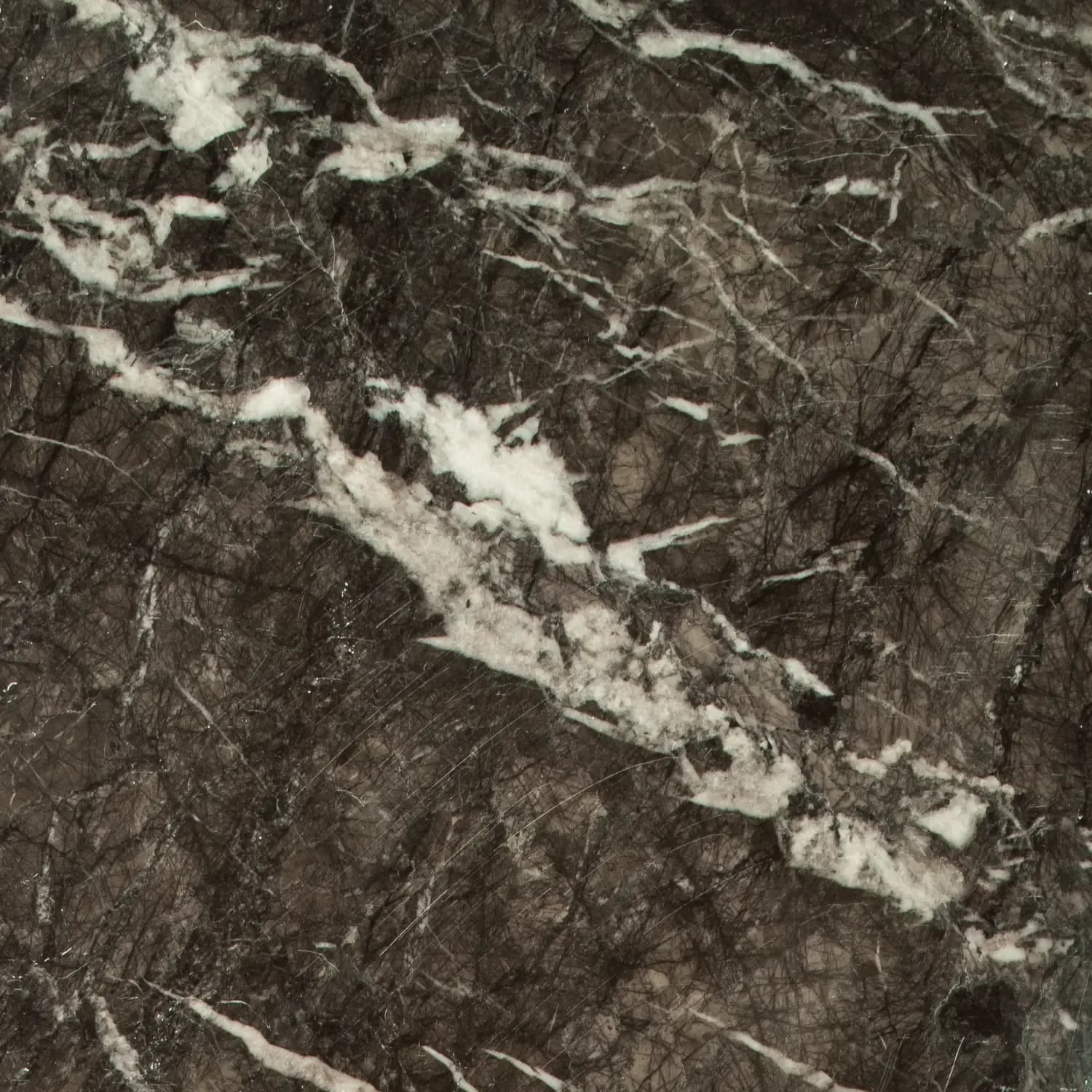
This is the same light-and-dark logic that pairs a pale stone with a dark one for drama, but with the added coherence of a shared origin. If you want that contrast with an even darker note, Grigio Carnico takes the grey almost to black; but for a softer, more classical pairing, Carrara and Bardiglio are the natural duo.
How to choose, or use both
If you are choosing one:
Want light, brightness, timeless calm? Carrara White.
Want coolness, depth, sophistication, and a floor that hides dirt? Bardiglio Imperiale.
Cooler surrounding palette (greys, cool metals)? Bardiglio. Warmer or brighter palette? Carrara.
If you are using both, treat it as an intentional light-and-dark composition: decide which is the field and which is the accent, and sample them together in the actual light of the space, because the grey shifts noticeably between daylight and interior light and the balance between the two stones is what makes the scheme sing.
The honest summary
Carrara White is the luminous pale marble, timeless and bright, best where you want light and classical calm, showing dirt and etching more on floors so specified honed. Bardiglio Imperiale is its grey sibling, cool, deep, and sophisticated, more forgiving underfoot, best where a scheme wants restraint and depth. Both are Carrara-region calcite marbles that etch and want honed finishes and pH-neutral care. And together they are one of the great pairings in stone, the light and dark of a single Italian tradition.
If you are choosing between Bardiglio and Carrara, or composing a scheme with both, start a project brief and we will source the blocks, selections, and finishes that hold together, with honest guidance on honed versus polished and on maintenance. Or request samples of both and set the grey against the white in your own light.