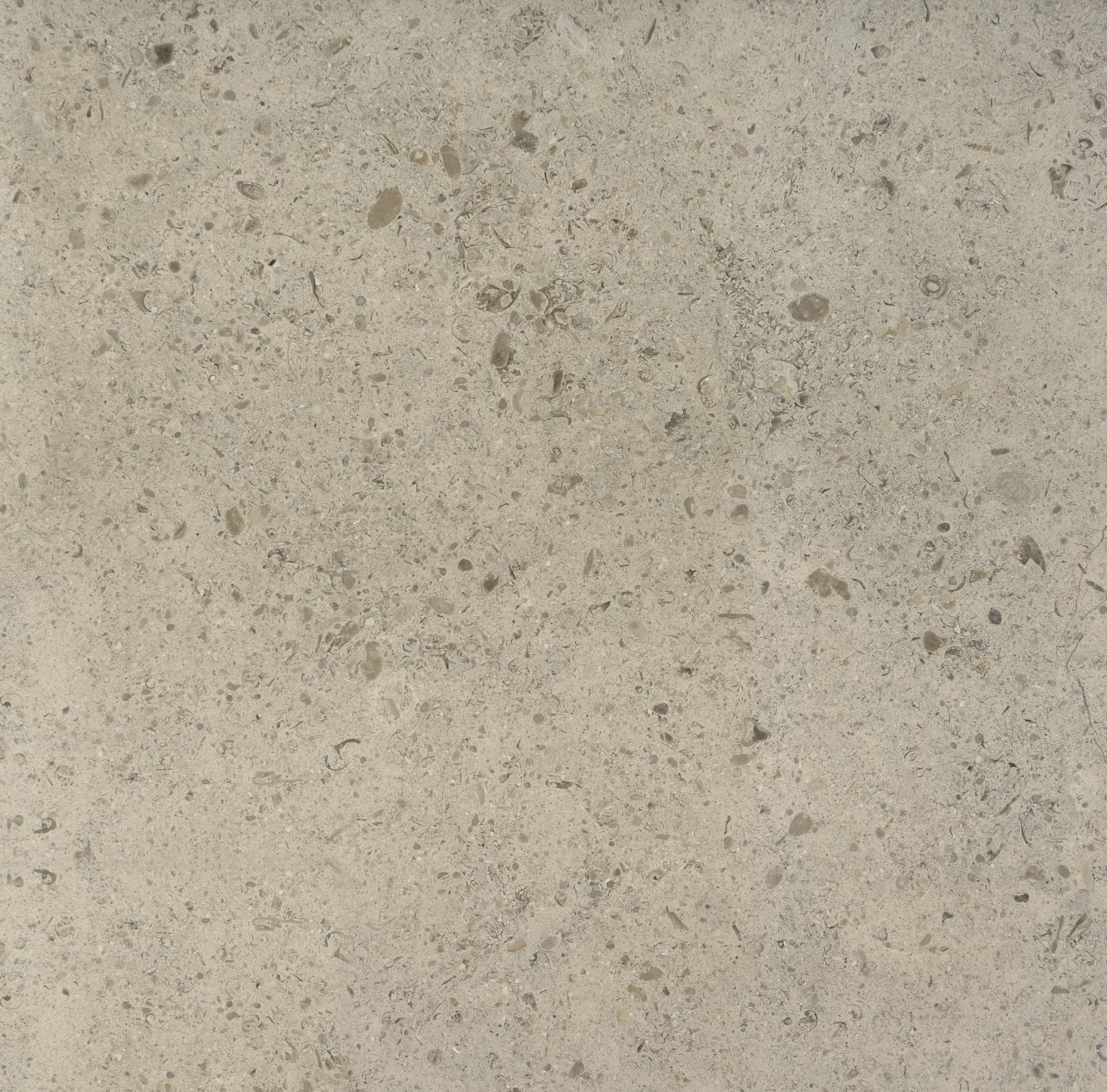
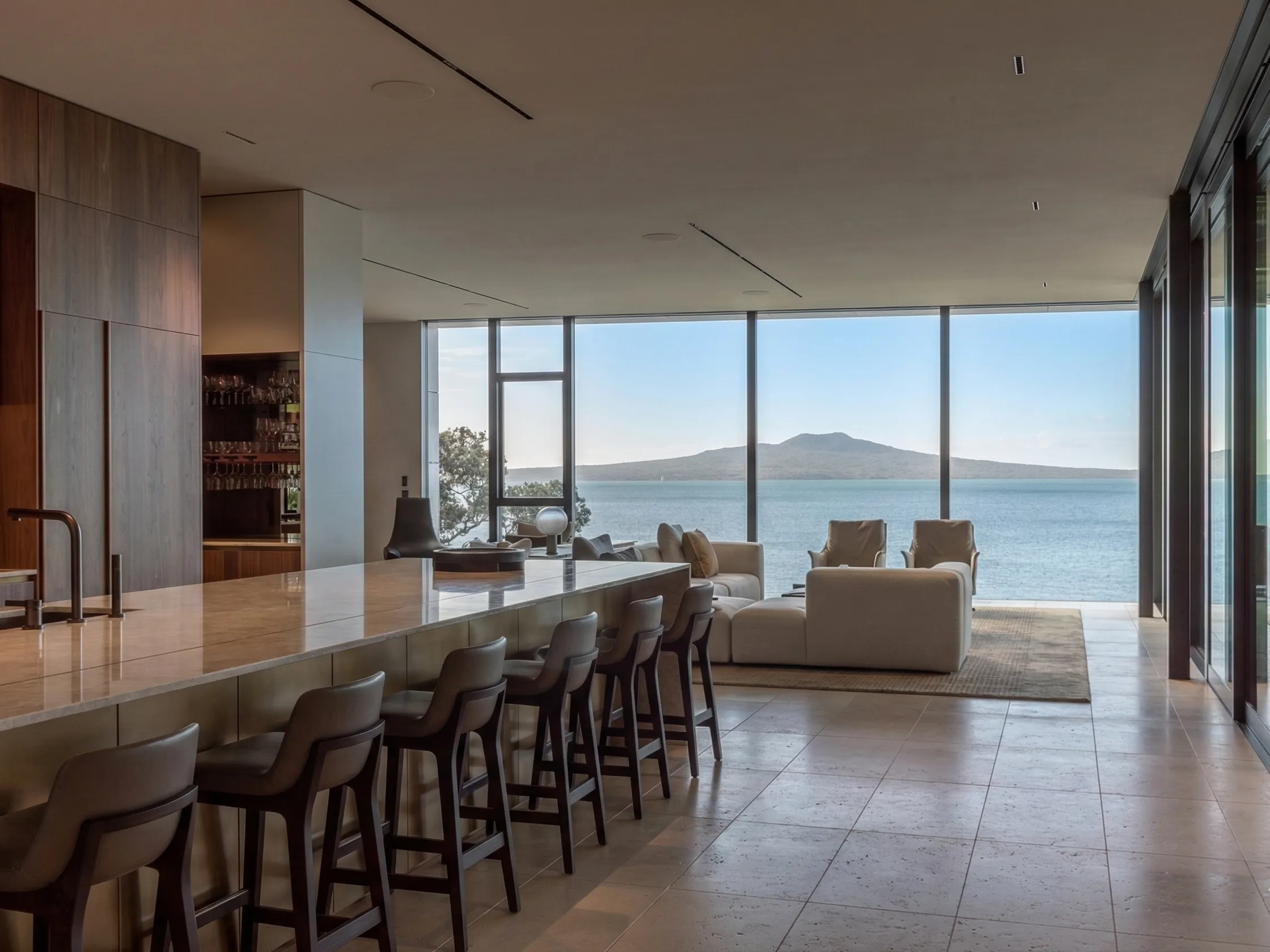
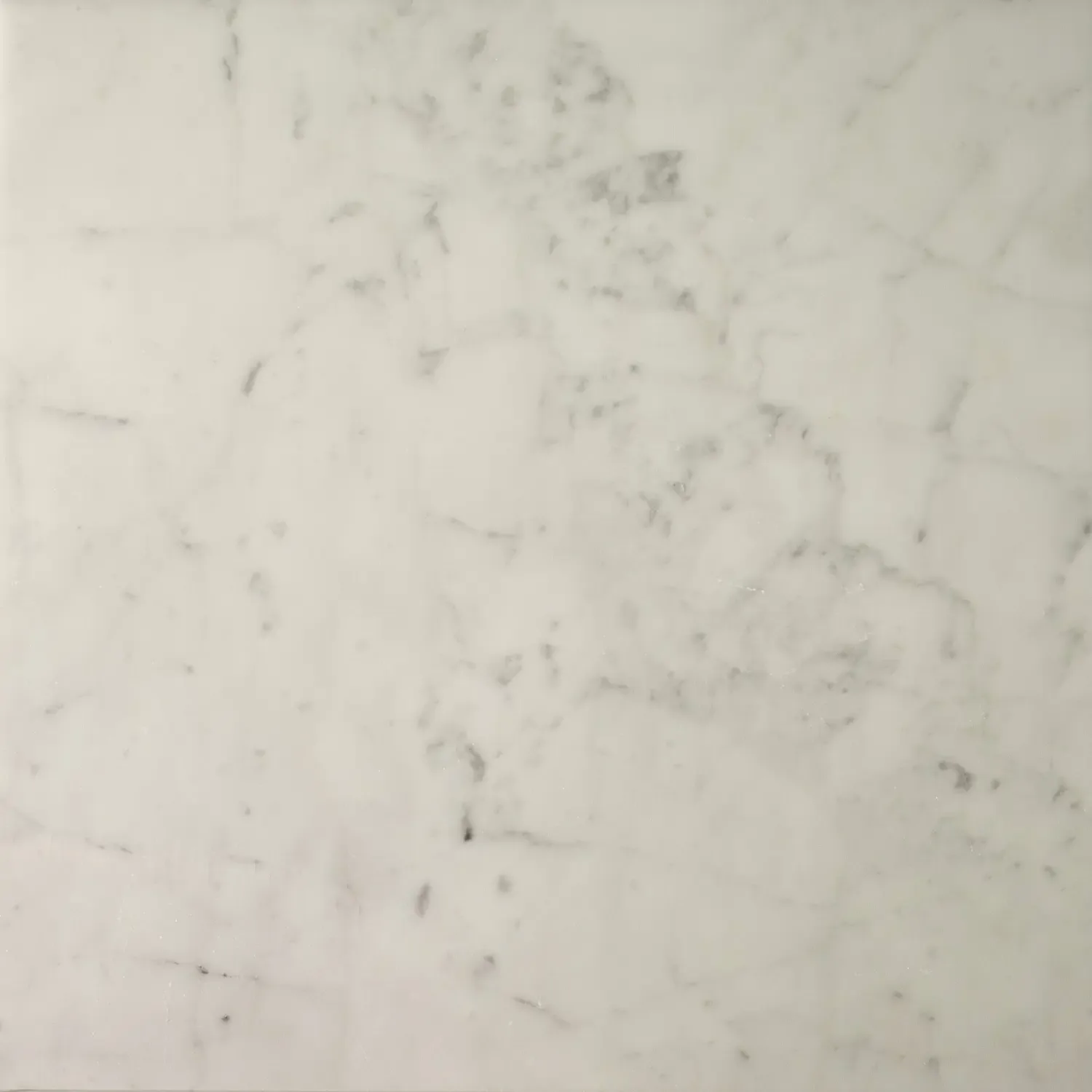
Specifying natural stone is not like specifying a manufactured product. A porcelain tile is the same in every box; a limestone is a natural material that varies bed to bed, weathers differently by finish, and behaves according to properties you have to actually check. Most stone that fails on site did not fail because it was a bad stone. It failed because it was specified as if it were a catalogue product, by name and colour, without the decisions that make a stone specification hold up.
This is the checklist we work through when we source stone for a project. It is application-first, because that is the only order that works: what does this surface have to do, and therefore what stone, in what finish, to what data. Work through it in order and your specification will survive contact with the site.
1. Start with the application, not the stone
The most common mistake is falling in love with a stone and then finding a job for it. Reverse that. Define the surface first:
Interior or exterior? Temperate or freeze-thaw climate?
Floor, wall, worktop, facade, paving, wet area?
Traffic level: residential, commercial, high-traffic public?
Wet, dry, or occasionally wet? Any slip-safety requirement?
Loads: foot traffic only, or wheeled loads, vehicles, point loads?
Every later decision follows from these answers. A stone that is perfect for an interior feature wall may be entirely wrong for an exterior paving field, and the only way to know is to define the application before you shortlist.
2. Match the stone type to the job
With the application defined, the broad stone type follows. In the simplest terms:
Dense limestone and hard sandstone are the workhorses for floors, cladding, and exteriors: durable, lower-maintenance, and available in calm, contemporary tones.
Marble is a calcite stone for interior floors, walls, and features where you want its character; it etches and is generally not for exteriors.
Softer, chalkier limestones suit lower-traffic and decorative work but not heavy commercial floors or exposed exteriors.
Our companion guide, limestone vs marble vs sandstone by application, works through this matching in detail. The point at this stage is to narrow to the right family before worrying about the specific stone.
3. Check the technical properties that matter
This is where specification gets real. For the shortlisted stones, look at the properties that govern performance in your application:
Water absorption / porosity. How much water the stone takes up. Lower is better for floors that meet spills and for exteriors, because absorption drives both staining and freeze-thaw risk. For cold-climate exterior work, this is the single most important number.
Flexural and compressive strength. How much bending and load the stone withstands. Critical for cladding panels, which are sized to the tested flexural strength, and for paving under load.
Abrasion resistance. How the stone wears under traffic. Important for commercial and public floors.
Slip resistance. Measured in the relevant finish, wet where the area is wet.
Freeze-thaw resistance. For any stone facing frost while it might be saturated.
These are not abstractions. A facade panel sized without the actual flexural strength, or an exterior paving chosen without freeze-thaw data, is a failure waiting to happen.
4. Specify to the block, not the category average
Here is the discipline that separates a robust specification from a hopeful one. Natural stone varies by bed and quarry within the same commercial name. A published figure for "limestone X" is a category average, useful for shortlisting and no more.
For a real specification, especially exterior, high-load, or highly visible work, you reserve material from a known bed and obtain test data on that reservation. The name gets you into the right neighbourhood; the specific block is what you actually build with, and its numbers are the ones that matter. This is precisely what a sourcing studio is for: reserving known material and providing block-specific data rather than a brochure figure.
5. Choose the finish as a performance decision
Finish is half the specification, not a styling afterthought. Working the surface changes look, grip, and wear all at once:
Honed for interior floors and cladding: even wear, contemporary, grips better than polished.
Polished for low-traffic vertical features only: it wears to a dull path on floors and is slippery wet.
Brushed and bush-hammered for grip in wet areas and exteriors.
Flamed for maximum exterior grip on suitable igneous stones; test it on limestones.
Our honed vs flamed vs brushed guide sets out the full decision. Specify the finish by what the surface must do, and specify it per zone: honed field, brushed thresholds, and so on.
6. Write in sealing and maintenance
A stone surface is a system that includes how it is protected and cleaned. Specify:
A breathable impregnating sealer where appropriate, with a defined re-seal interval. Penetrating, not film-forming, especially outdoors.
pH-neutral cleaning for calcite stones, because acids etch them regardless of sealing. Train the operator.
Walk-off matting at entrances to catch grit, which extends a floor's life more than almost any other single measure.
A stone specified without a maintenance regime is only half specified. Our guides to sealing and cleaning natural stone cover the detail.
7. Detail the joints, tolerances, and fixing
The stone can be right and the installation still fail. Specify:
Thickness and format appropriate to the application and the tested strength.
Joint width and detailing, especially where wheeled or point loads are involved; chipping at joints is a common lobby-floor failure quite separate from the stone's abrasion resistance.
Fixing method for cladding, sized to the stone and the exposure, with movement and drainage designed in.
Tolerances for flatness, arris, and calibration, so the delivered material meets what you drew.
For exteriors especially, ventilated cladding, drainage, and detailing that keeps the stone from staying saturated are as important as the stone itself, as covered in our exterior cladding guide.
8. Approve from physical samples, in the right finish
Never approve a stone from a render or a small polished offcut. Get physical samples:
In the actual finish you will build, not the showroom polish.
At a decent size, so you read the real variation across the bed.
Ideally from reserved material, so what you approve is what installs.
Viewed in the real light of the space, because stone shifts markedly between north daylight and warm interior light.
For a permanent, visible surface, this is not optional. The sample you approve is the contractual reference for what arrives.
The checklist in one line each
Define the application first.
Match the stone family to the job.
Check absorption, strength, abrasion, slip, freeze-thaw.
Specify to the reserved block, not the category average.
Choose the finish as a performance decision, per zone.
Write in sealing and pH-neutral maintenance.
Detail joints, thickness, fixing, and tolerances.
Approve from physical samples in the real finish and light.
Work through it in order and you have a specification that holds up, rather than a colour and a name and a hope.
Getting a specification and samples
The fastest way to a robust stone specification is to work application-first with someone who reserves the material and provides the block-specific data. That is what we do.
If you are specifying stone for a project, start a project brief with your application, and we will return a shortlist matched to it, with honest technical guidance, reserved material, and samples in the right finish. Or request samples of the stones you are weighing and approve from the real thing.