Say Italian stone and most people think of one thing: Carrara marble, the white stone of sculpture and grand lobbies. It is a fair association, but it is a small slice of what Italy actually offers. The same country gives us cool grey marbles, dense working limestones, and some of the most robust building sandstones in Europe. Each behaves differently, and specifying the wrong family for the job is one of the most common and expensive mistakes in stone.
We source Italian stone at the block, across all three families, so this is the guide we wish existed: what Italy actually offers, how the families differ, which named stones are worth knowing, and how to choose between them. It is a companion to our Portuguese limestone guide; together they cover most of the European stone worth specifying.
Three families, three behaviours
Before any name, understand the three families, because the family decides the behaviour and the behaviour decides the application.
Marble is metamorphosed limestone: calcite recrystallised under heat and pressure into the veined, luminous stone everyone pictures. It is beautiful and it is calcite-based, which means it etches with acid and wants careful specification. Marble is for elegance and prestige, specified honed for durability.
Limestone is sedimentary calcium carbonate, quieter than marble, often denser and more even. The good Italian limestones are workhorses: warm or cool, calm across a large field, and tough enough for commercial floors and cladding. They also etch, being calcite, but a dense honed limestone is a forgiving, practical surface.
Sandstone is the outlier and the one people forget. It is silica-based, built from cemented quartz grains, which means it does not etch. The Tuscan sandstones are among the most robust and chemically stable stones you can specify, ideal where marble would be too fragile.
Get the family right and half the specification decision is already made.
The Italian marbles
The Carrara region of Tuscany is the most storied marble district in the world, and two of its stones anchor most classic schemes.
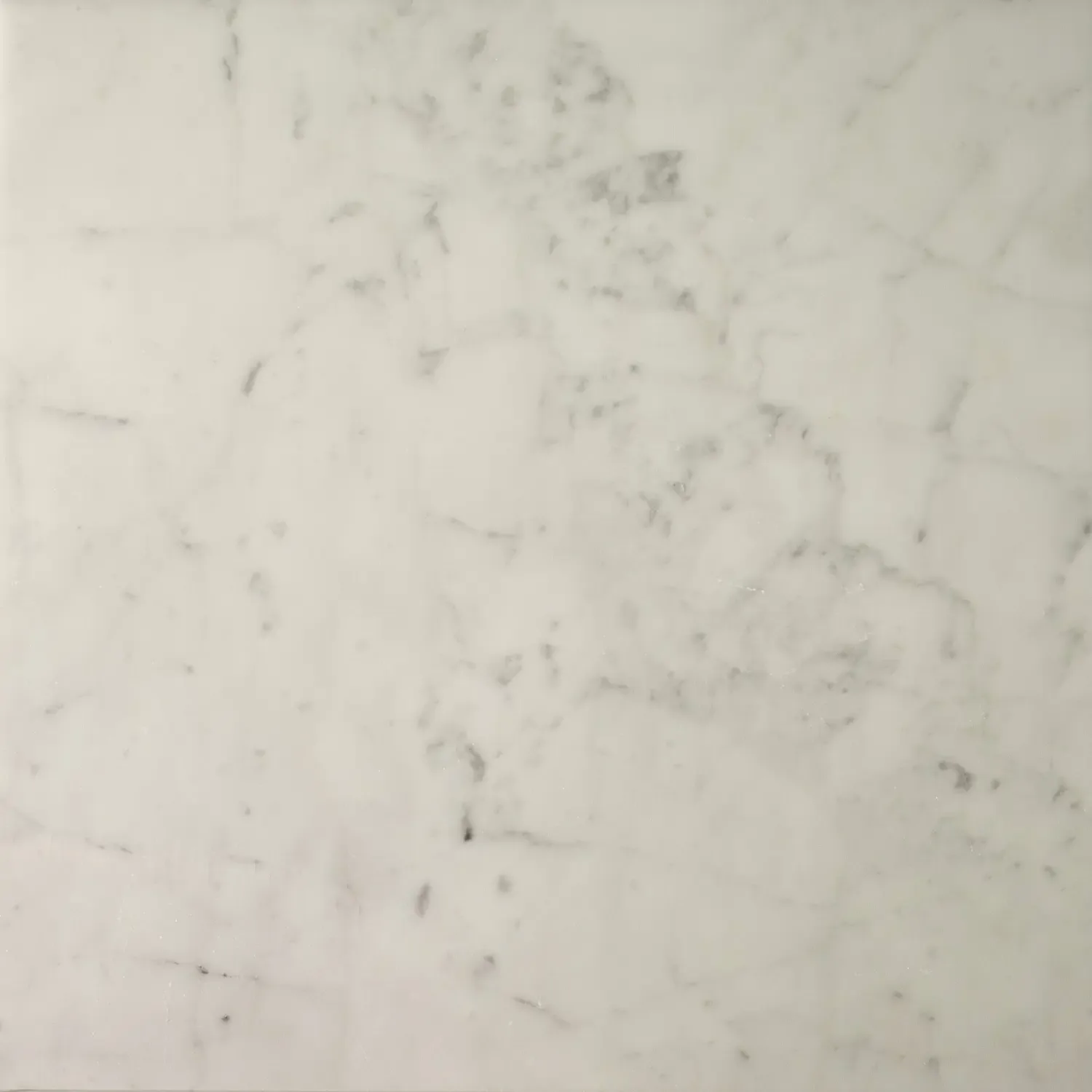
Carrara White is the pale one: a soft white to light grey ground with the familiar feathery grey veining. It reads bright, timeless, and luminous, the marble that opens a space and floods it with light. It belongs where you want calm and classical elegance, and on floors it should be honed rather than polished so that traffic does not abrade a shine into a dull path and etching is disguised.
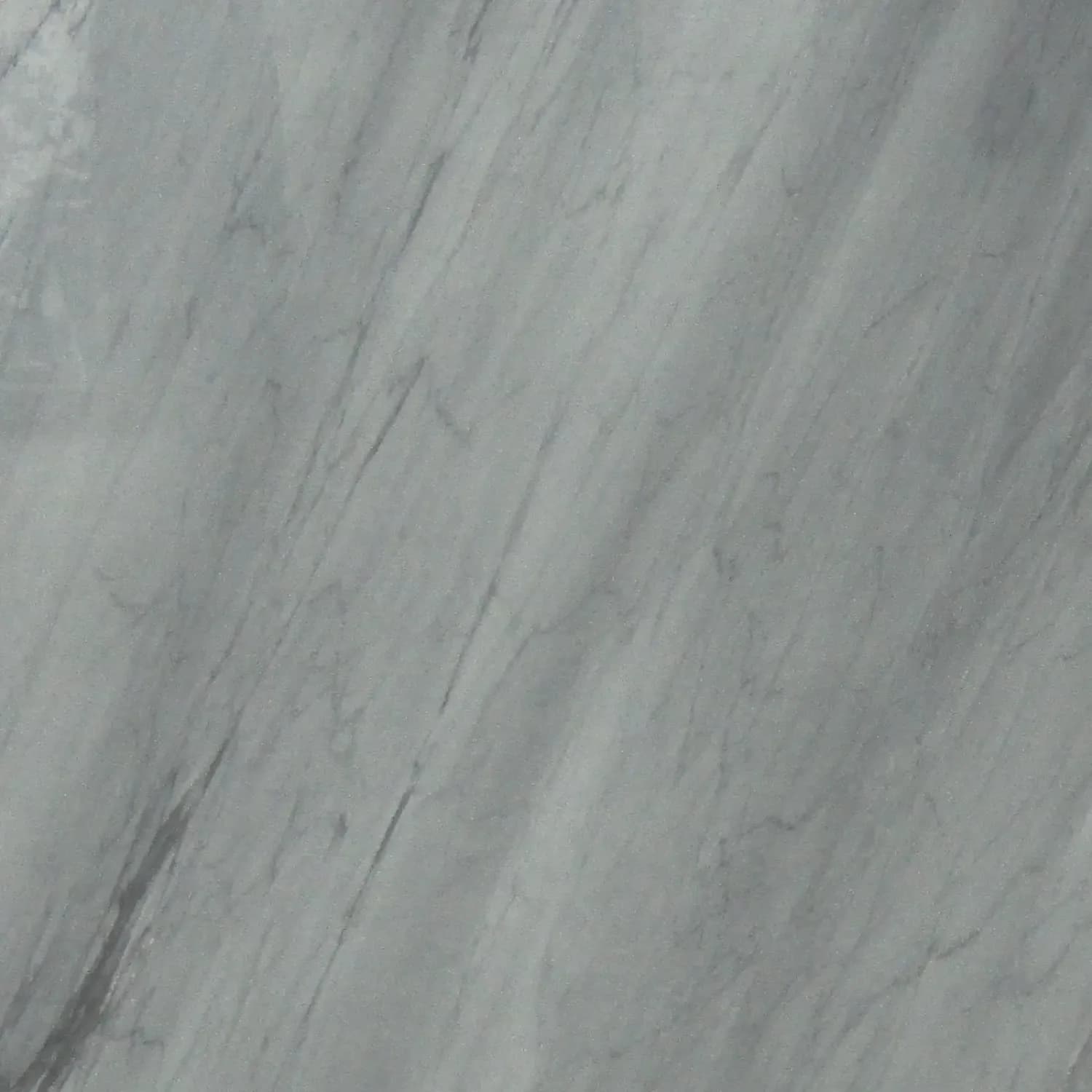
Bardiglio Imperiale is its grey sibling: a deep blue-grey to smoky ground with fine white veining. It reads sophisticated and quietly dramatic, the marble for when a scheme wants depth and coolness rather than brightness. Its grey ground hides foot-borne dirt better than white, making it the more forgiving of the two underfoot.
The two are natural partners, the light and dark of one tradition, and pairing them is one of the most reliably elegant moves in stone. We cover that relationship in full in our Bardiglio vs Carrara guide. Both etch, both are interior stones, both want honed finishes and pH-neutral care. Choose marble for veined beauty and prestige, and specify it honestly.
The Italian limestones
Italy's limestones are less famous than its marble and often more practical. They are the calm, even stones that make superb floors and cladding without asking for the reverence a marble demands.
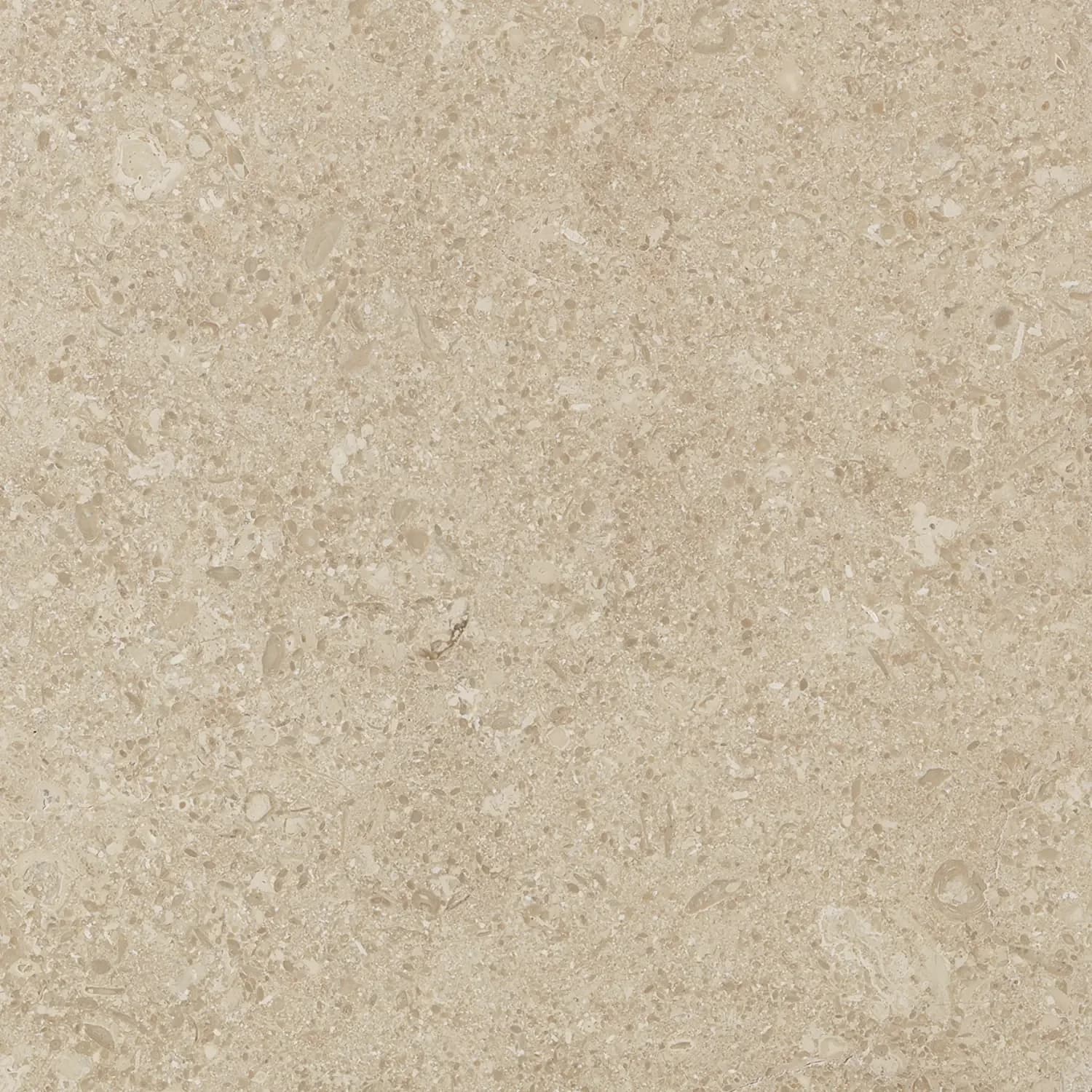
The Crema Fiorito family runs from a warm golden Oro to a cooler Silver, a soft, characterful beige limestone for hospitality and residential floors and walls, warm underfoot and calm across a big field. The choice between Oro and Silver is a warm-versus-cool decision made with samples in the actual light of the space.
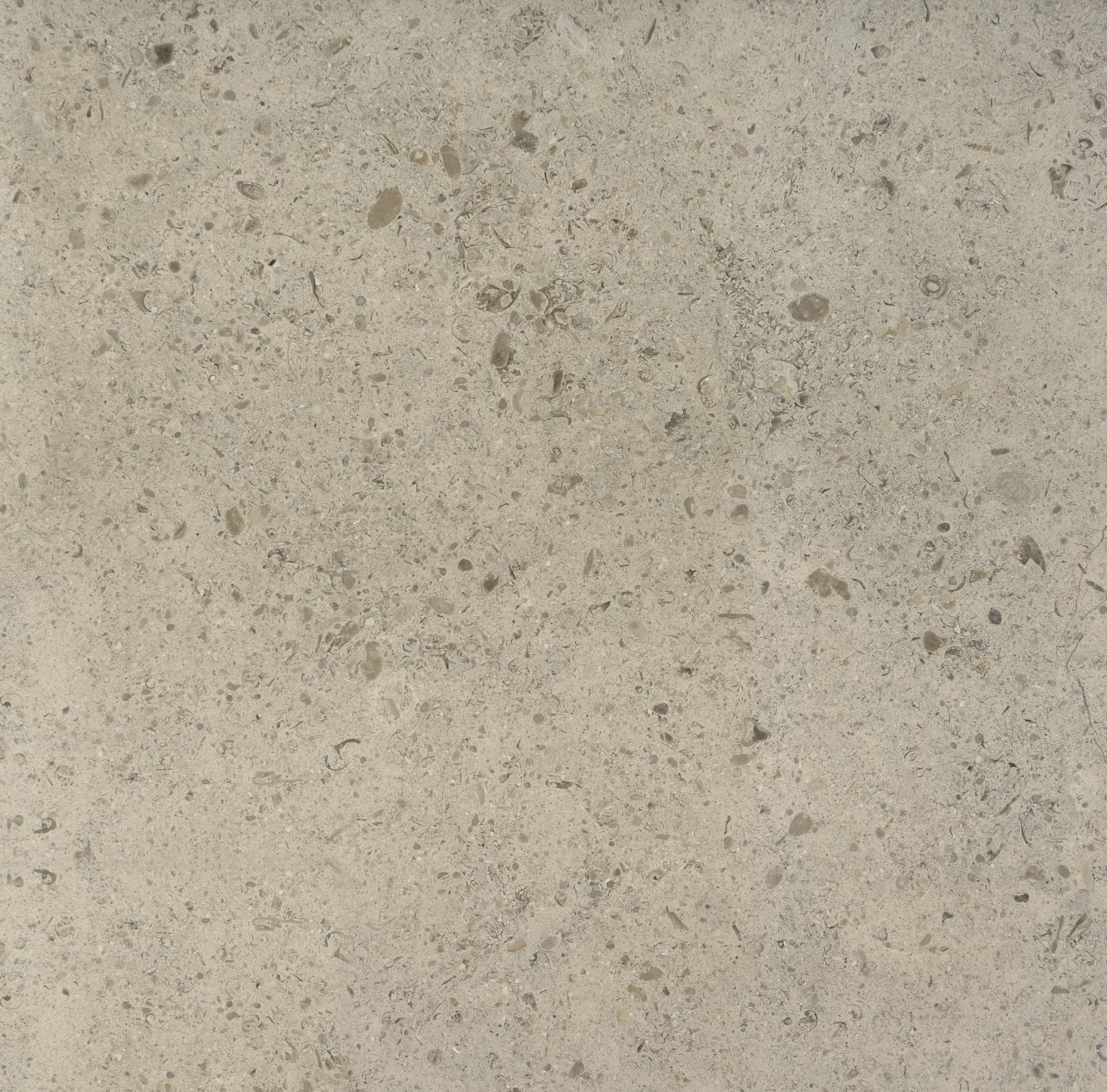
The Grolla family offers a beige and a rosato (softly pink-toned), plus a distinctive terrazzo-like variant, dense Italian limestones with a lively natural texture that suit both traditional and contemporary work.
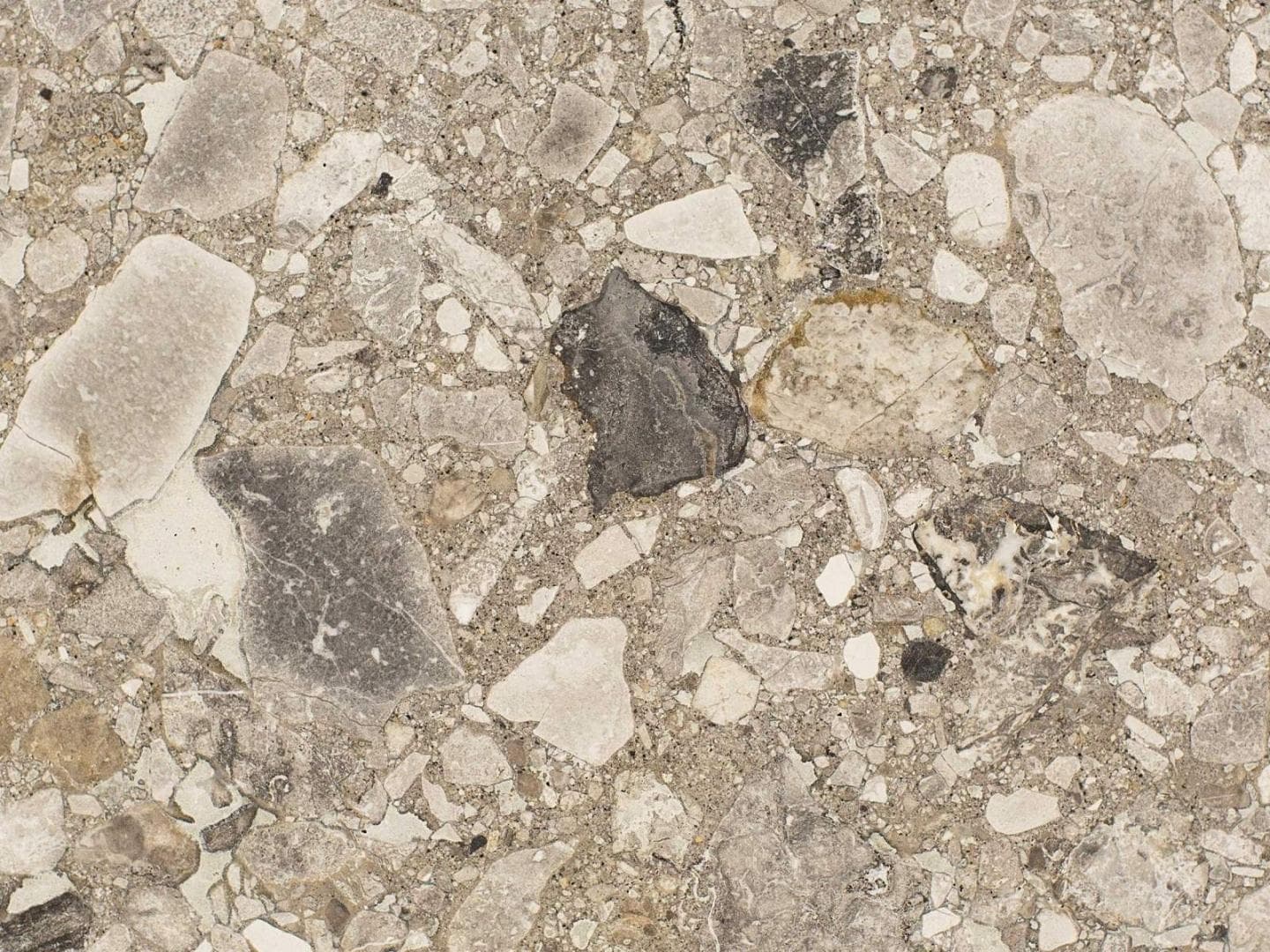
And Ceppo di Gre is the conglomerate outlier, a dramatic pebbled stone, architectural and unmistakable, for feature surfaces that want to be noticed.
These are stones to specify honed for interior floors and cladding, and, in dense selections with the right data, for temperate exterior work. They give you the warmth and calm of limestone with genuine working durability.
The Tuscan and Italian sandstones
Here is the family most specifiers overlook, and the one that solves problems the others cannot. Because sandstone is silica-based, it does not etch, which makes it the honest answer wherever acid contact or heavy use rules marble out.
Pietra Serena is the classic Tuscan grey, the stone of Renaissance Florence, a calm blue-grey sandstone used for centuries in floors, stairs, cladding, and detailing. It is understated, architectural, and quietly authoritative.
Pietra Forte Fiorentina is its warmer, denser cousin, a golden-brown Florentine sandstone (the name means strong stone), historically the load-bearing stone of the city's palazzi. It is tougher and warmer than Serena, and the two are constantly confused; we untangle them in our Pietra Serena vs Pietra Forte guide.
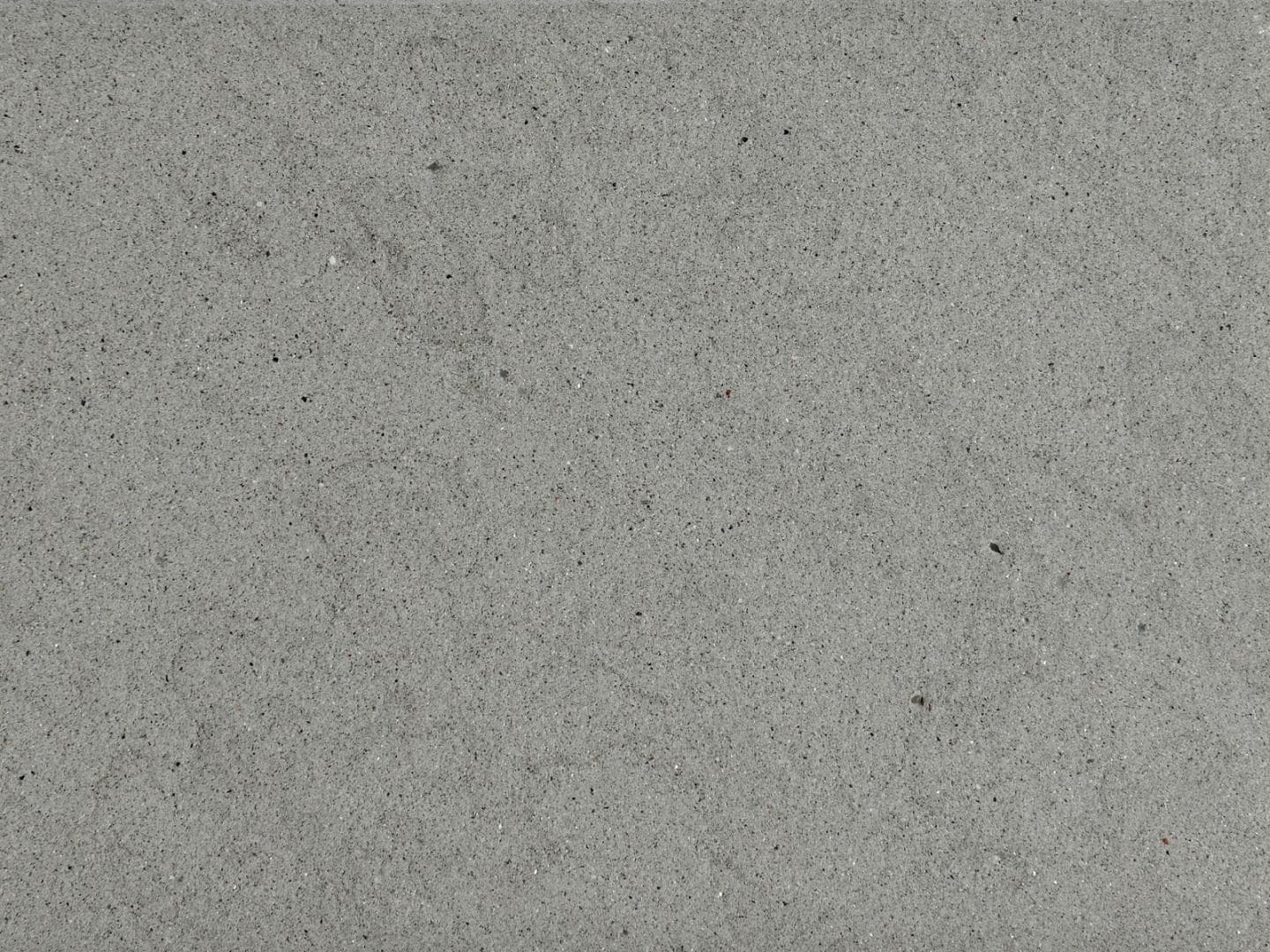
Mars Grey is the contemporary option, an even, veinless Italian grey sandstone that reads modern and, being sandstone, does not etch, which makes it a genuinely robust grey for kitchens, busy floors, and wet areas where a grey marble would be a liability. See our Mars Grey profile for the full case.
Specify the sandstones honed indoors and brushed or bush-hammered for grip in wet areas and exterior paving.
How to choose across the three families
The decision is easier than the number of names suggests. Work from the job back to the family.
Want veined elegance and prestige, low-to-moderate traffic? A Carrara-region marble, honed. Accept that it etches and care for it accordingly.
Want a calm, warm, hard-wearing floor or cladding? An Italian limestone such as Crema Fiorito or Grolla, honed.
Want a grey, or a surface that must survive acid, heavy use, or constant water? A sandstone: Pietra Serena, Pietra Forte, or Mars Grey. No etching, real toughness.
Building an exterior? A dense limestone or sandstone selection with block-specific test data, never a marble for an exposed facade. Our exterior cladding guide sets out the discipline.
Across all of them, honed is the default floor finish, and the finish should be tuned to the application rather than the mood board. For that logic, see our honed vs flamed vs brushed guide. And for the broader material logic across limestone, marble, and sandstone, our material and application guide covers the framework.
The honest summary
Italy is not one stone, it is three families. The marbles, Carrara and Bardiglio, give veined elegance at the price of etching and careful care. The limestones, Crema Fiorito, Grolla, Ceppo, give calm, warm, workable surfaces for floors and cladding. The sandstones, Pietra Serena, Pietra Forte, Mars Grey, give robustness and acid resistance the others cannot. Choosing well is a matter of matching the family to the job, then choosing the named stone within it, then choosing the finish. Do that in order and Italian stone is straightforward.
If you are specifying Italian stone and weighing marble against limestone against sandstone, start a project brief and we will source the right family, stone, bed, and finish for your application, with honest guidance on where each belongs and where it does not. Or request samples and compare the families in your own light.